The geopolitical landscape is shifting as the Trump administration and Iran engage in their first indirect talks since the collapse of nuclear negotiations last year. Following a mediated session in Muscat, Oman, both sides are signaling a cautious "good start," yet the path forward remains fraught with significant hurdles. 🏛️🤝
The "Non-Negotiable" Stance 🚫🚀
Iranian Foreign Minister Abbas Araghchi has been crystal clear: while Tehran is open to a "reassuring agreement" regarding nuclear enrichment, its ballistic missile programme is strictly off the table. Araghchi emphasized that defense capabilities are an "inalienable right" and warned that any strike on Iranian territory would result in retaliation against US military bases in the Middle East. 🛡️💥
Pressure and Sanctions ⛓️📉
Despite the diplomatic opening, President Trump is doubling down on his "Peace through Strength" doctrine:
New Tariffs: An executive order targets countries still doing business with Iran. 💸
Oil Sanctions: New measures have been aimed at shipping entities to curb Iranian exports. 🚢⚓
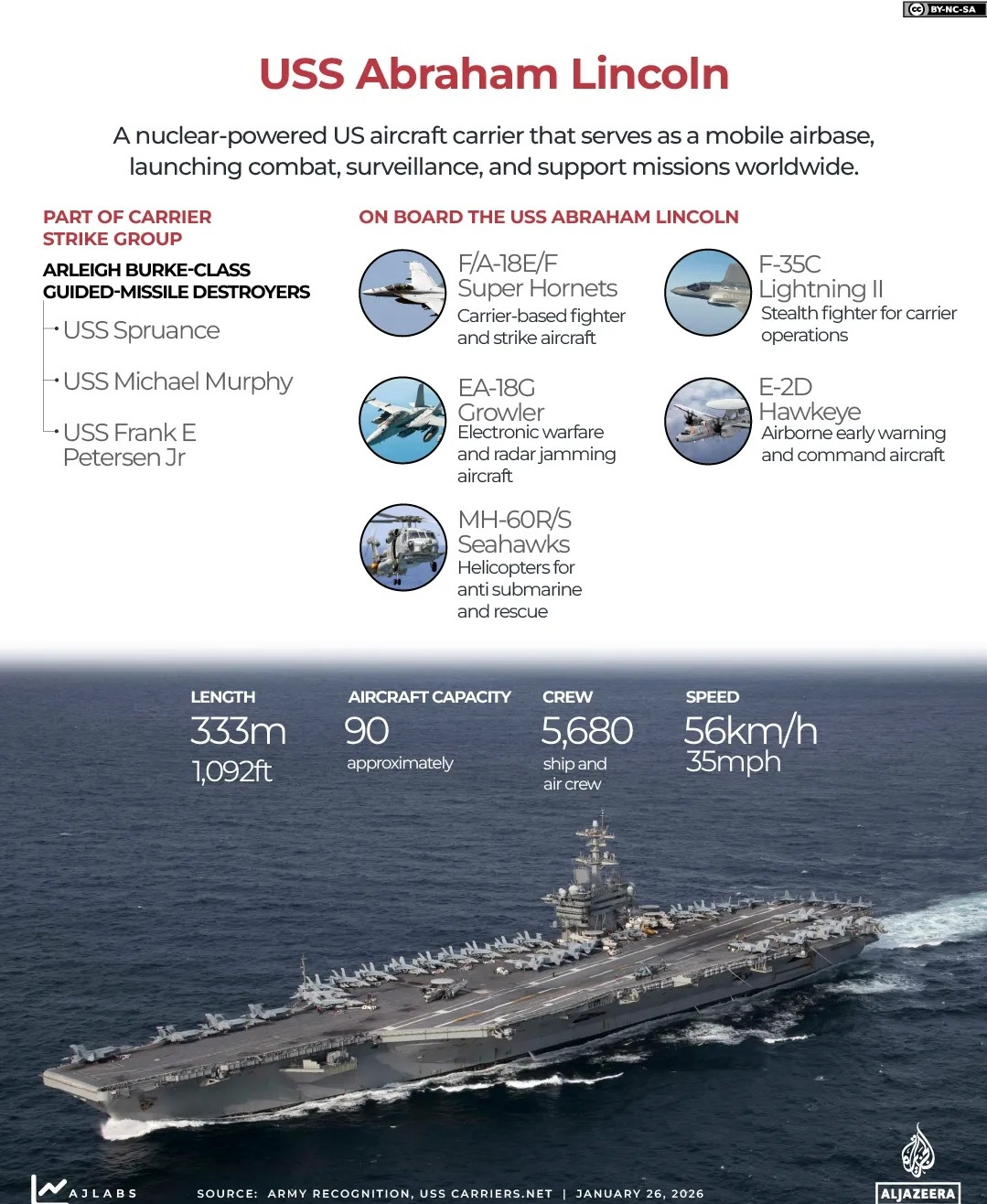
Military Presence: The USS Abraham Lincoln remains stationed in the Arabian Sea as a visual deterrent. 🇺🇸✈️
The Global Chessboard 🌍♟️
The stakes are incredibly high, with regional players and domestic pressures influencing every move:
The Israel Factor: Prime Minister Netanyahu is set to meet Trump this Wednesday, pushing for any deal to include strict limits on missiles and regional "axis" support. 🇮🇱
Economic Ties: With over a quarter of Iran's trade tied to China, the new US tariffs could ripple across global markets. 🇨🇳
Domestic Sentiment: In Tehran, citizens remain skeptical, fearing that both sides are too entrenched in their positions to reach a meaningful compromise. 🏘️👤
As talks are expected to resume next week, the world watches to see if diplomacy can truly bridge the gap or if the cycle of sanctions and threats will lead to further escalation. ⏳⚖️
#USIranTalks #MiddleEastPolitics #Diplomacy #GlobalNews #TrumpAdministration