

In crypto, attention usually follows noise.
Fast TPS numbers.
Big funding rounds.
Loud narratives.
But infrastructure doesn’t win by being loud.
It wins by being dependable.
While many Layer-1 chains compete to look revolutionary, Vanar appears to be taking a different route — one focused less on spectacle and more on operational credibility.
This distinction may determine which ecosystems actually scale.
1️⃣ The Infrastructure-First Philosophy
Most blockchains are marketed as products.
Very few are built as networks.
A product impresses.
A network sustains.
An infrastructure-first chain focuses on:
Stable RPC endpoints
Reliable WebSocket connectivity
Clear documentation
Seamless wallet integration
Functional test environments
These aren’t “headline features.”
They are the mechanical foundations of long-term adoption.
When developers evaluate a chain, they don’t ask:
“Is this exciting?”
They ask:
“Will this still function when my users depend on it?”
That shift in mindset changes everything.
2️⃣ Friction Is the Hidden Killer of Ecosystems
Adoption rarely fails because of poor ideas.
It fails because of friction.
If onboarding takes too long… If endpoints are unstable… If testnets are confusing… If integration feels experimental…
Teams quietly leave.
Vanar’s approach reduces early-stage friction by keeping network configuration clean and familiar. With EVM compatibility, standard wallet support, and clearly structured endpoints, developers aren’t learning a new universe — they’re extending the one they already know.
Lower friction → Lower experimentation cost → Higher deployment probability.
That compounding effect builds ecosystems.
3️⃣ Testnets: Where Real Builders Decide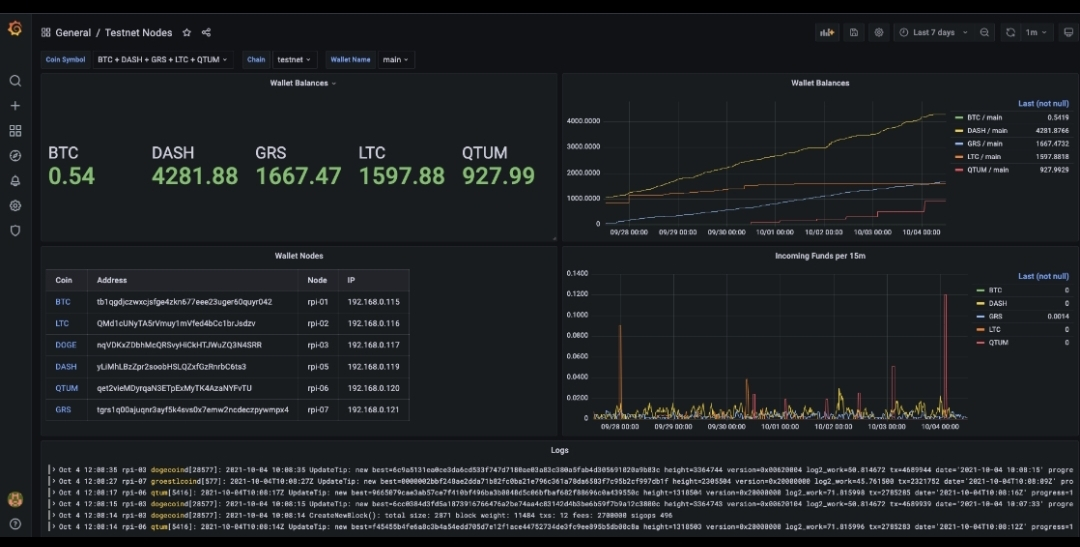
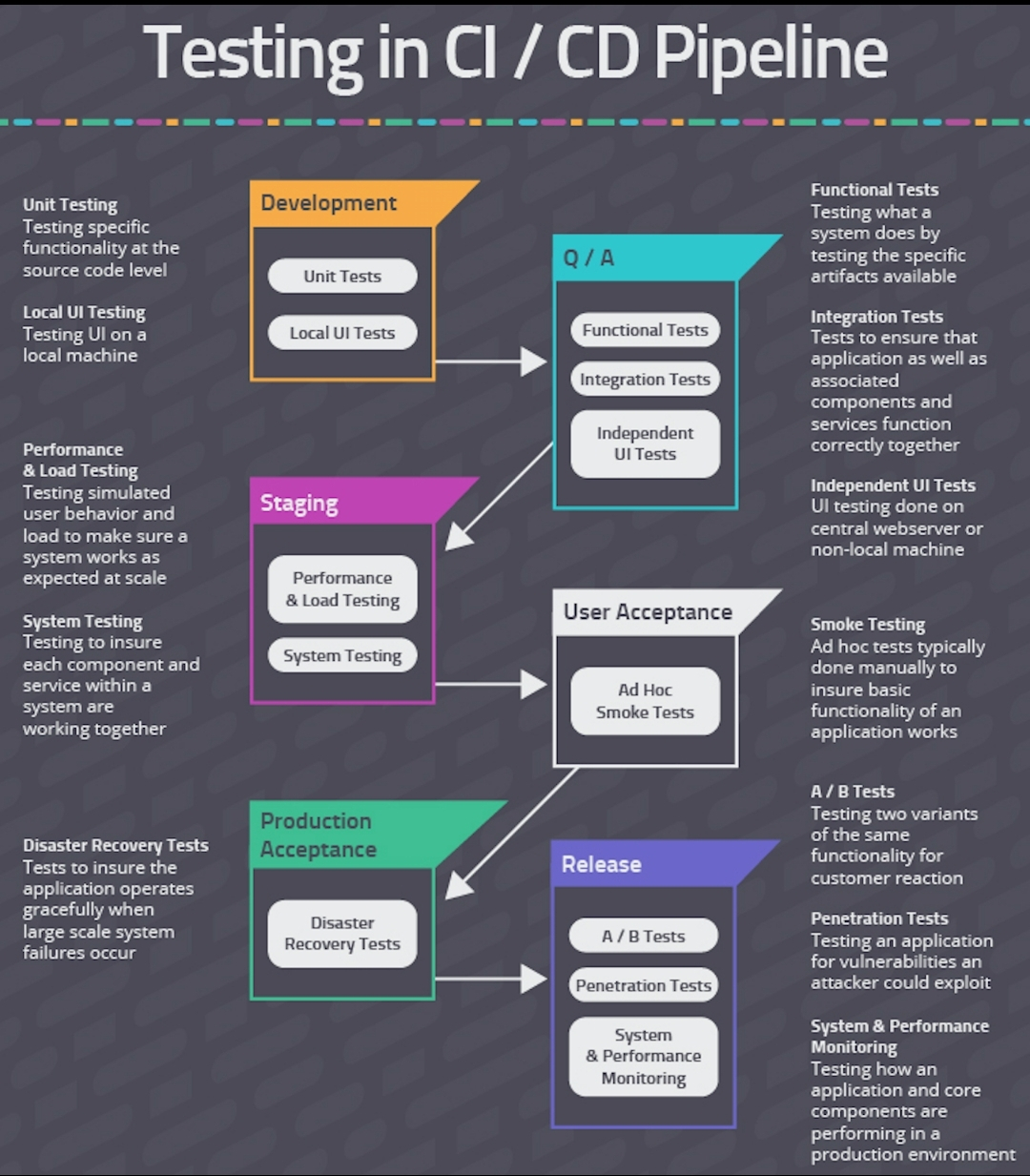
Marketing focuses on mainnet.
Builders live on testnet.
Serious teams require:
Separate testnet endpoints
Clear chain IDs
Predictable simulation environments
Reliable debugging processes
Especially for AI-native systems — where automation, agents, and constant activity are expected — safe iteration environments are not optional.
They are essential.
A chain that treats testnet as production-grade infrastructure signals maturity.
That signal attracts companies, not just experiments.
4️⃣ AI Infrastructure Requires Always-On Connectivity
The promise of AI-native blockchain systems assumes something important:
Software won’t “wait for clicks.”
It will run continuously.
AI agents executing payments.
Streaming data feeds updating in real time.
Autonomous logic reacting to events instantly.
This environment requires:
WebSocket support
Stable uptime
Real-time event subscriptions
Clean RPC performance
If connectivity fails, automation fails.
Vanar’s emphasis on stable endpoints and WebSocket support reflects awareness of this architectural reality.
AI narratives without stable infrastructure collapse under real usage.
5️⃣ Transparency as a Trust Layer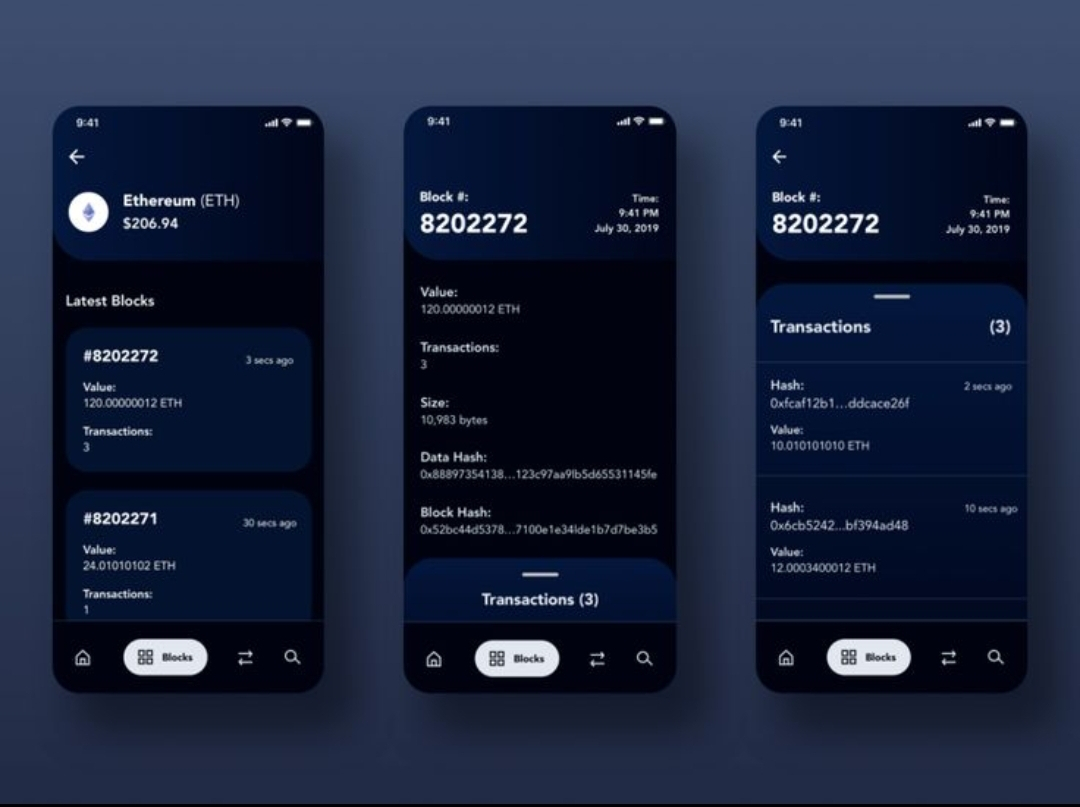
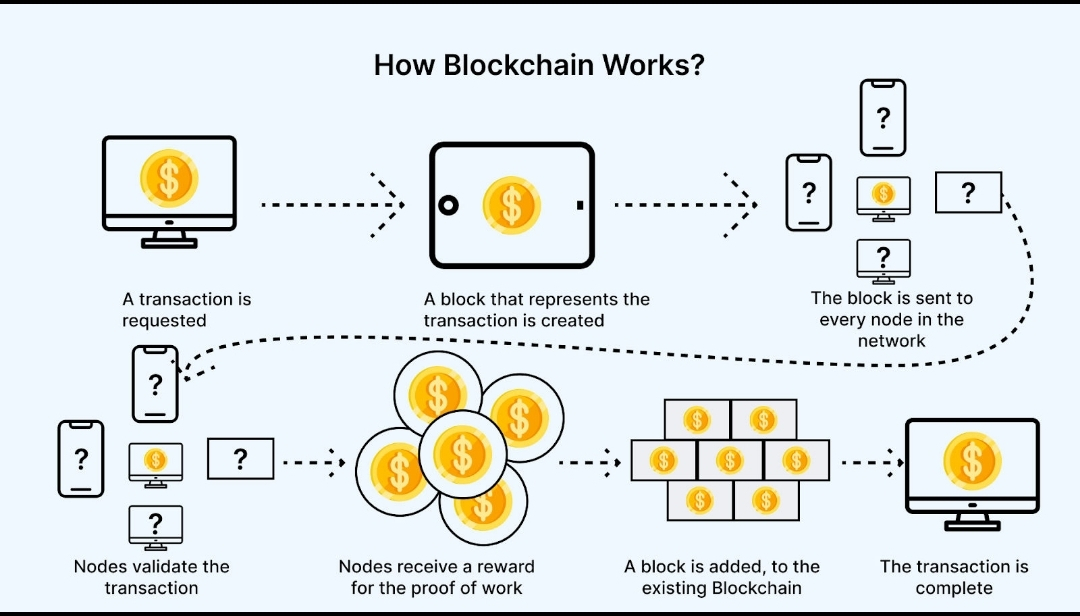
Trust in Web3 isn’t emotional.
It’s operational.
When a transaction fails, users check the explorer.
When a contract misbehaves, developers analyze logs.
When exchanges verify activity, they rely on on-chain transparency.
A clear, official explorer becomes the shared source of truth between:
Developers
Users
Infrastructure providers
Exchanges
Chains that prioritize visibility reduce uncertainty.
And reduced uncertainty increases retention.
6️⃣ Compatibility as Strategic Risk Management
EVM compatibility is often marketed as convenience.
In reality, it’s strategic risk mitigation.
For companies, the largest costs aren’t writing code.
They are:
Hiring engineers
Conducting audits
Maintaining systems
Integrating tooling
Training teams
Compatibility preserves existing workflows.
It limits unknown unknowns.
It shortens the path from “evaluation” to “deployment.”
Vanar’s alignment with familiar tooling makes integration less speculative — and more practical.
7️⃣ Infrastructure Attracts Second-Layer Services
Sustainable ecosystems don’t just host dApps.
They host:
Indexers
Analytics dashboards
Compliance services
Monitoring tools
Wallet infrastructure
Enterprise backends
These services only build on chains that feel operationally stable.
Infrastructure providers do not chase hype.
They choose predictability.
And when service layers begin forming, the ecosystem matures beyond speculation.
8️⃣ The Compounding Effect of Stability
Growth driven by hype spikes fast.
Growth driven by infrastructure compounds slowly.
When developers:
Connect in minutes
Test confidently
Monitor clearly
Deploy without fear
They don’t “experiment.”
They build long-term.
And when long-term builders stay, network effects begin forming organically.
Conclusion: The Quiet Chains Become Default Platforms
Vanarchain may not compete in noise.
But it appears to compete in readiness.
In crypto, the chains that endure are rarely the loudest.
They are the ones that:
Work consistently
Reduce friction
Maintain visibility
Enable safe experimentation
Scale through reliability
Infrastructure is rarely glamorous.
But it is always decisive.
And in a market full of acceleration, sometimes the real advantage is stability.
