

Crypto, and especially stablecoins, will rapidly move from early experimentation towards mainstream for African merchants over the next two to three years. As the regulatory fog lifts, customer familiarity with stablecoins is set to accelerate as banks and major platforms roll them out, normalising crypto payments.
Between July 2024 and June 2025, Sub-Saharan Africa recorded a 52% year-on-year increase in crypto activity, surpassing $205 billion in on-chain value and ranking as the world’s third fastest-growing crypto market.
South Africa accounted for an estimated $35–40 billion of that total, fueled by strong stablecoin usage and a significant uptick in institutional participation.
Stablecoins now represent more than 45% of total crypto volume in the region, largely because of their role in addressing cross-border trade and merchant payment challenges. Beyond offering dollar-denominated value storage and transfer without the volatility associated with Bitcoin or Ethereum, they also avoid the friction and cost typical of traditional foreign exchange channels.
REPORT | Stablecoins Now Account for 43% of All Sub-Saharan Africa Crypto Transactions, Says Quidax
Regulatory clarity has further accelerated growth. Developments such as CASP licensing in South Africa, Kenya’s enactment of its VASP Act, and Nigeria’s SEC formalising oversight frameworks have contributed to rising confidence across the ecosystem.
“Adoption will hit hard this year and the curve will be exponential rather than gradual,” says Daniel Katz, co-founder and CEO of South African cryptocurrency and stablecoin payment infrastructure company, Ezeebit.
“Fortunately, the lag between regulation being written and its impact being felt is finally closing. At the same time, banks and payments players are actively building tokenisation and stablecoin projects, and rand-backed stablecoins are beginning to reach ordinary users. The inflection point is not years away – it is here.”
Globally, Katz points to the United States formalising stablecoin issuance, a move he believes is injecting significant capital and confidence into the ecosystem – much of which ultimately finds its way into emerging markets.
PRESS RELEASE | FSCA-Regulated Infra Startup, Ezeebit, Raises $2 Million Seed to Scale Stablecoin and Crypto Payment Infrastructure Across Africa
Merchants still have their concerns
Despite the rapid expansion, many merchants remain cautious about accepting crypto payments.
Katz explains that, beyond the optimistic headlines, it may still feel like a risk they do not fully control.
“They worry about price volatility between payment and settlement, are unsure who really carries that risk, and fear messy reconciliation if funds don’t arrive predictably in local currency.
Regulation and compliance add to the anxiety, because even as rules mature, business owners are unclear whether they or the provider sit in the regulators’ sights,” he says.
Perception is another significant hurdle. Crypto can appear technically complex and operationally heavy to non-specialists. Many merchants also assume customer demand is limited, since shoppers rarely request to pay with crypto.
“Taken together, those concerns make sticking with familiar card and bank rails feel safer than experimenting with a system they don’t yet completely trust,” Katz adds.
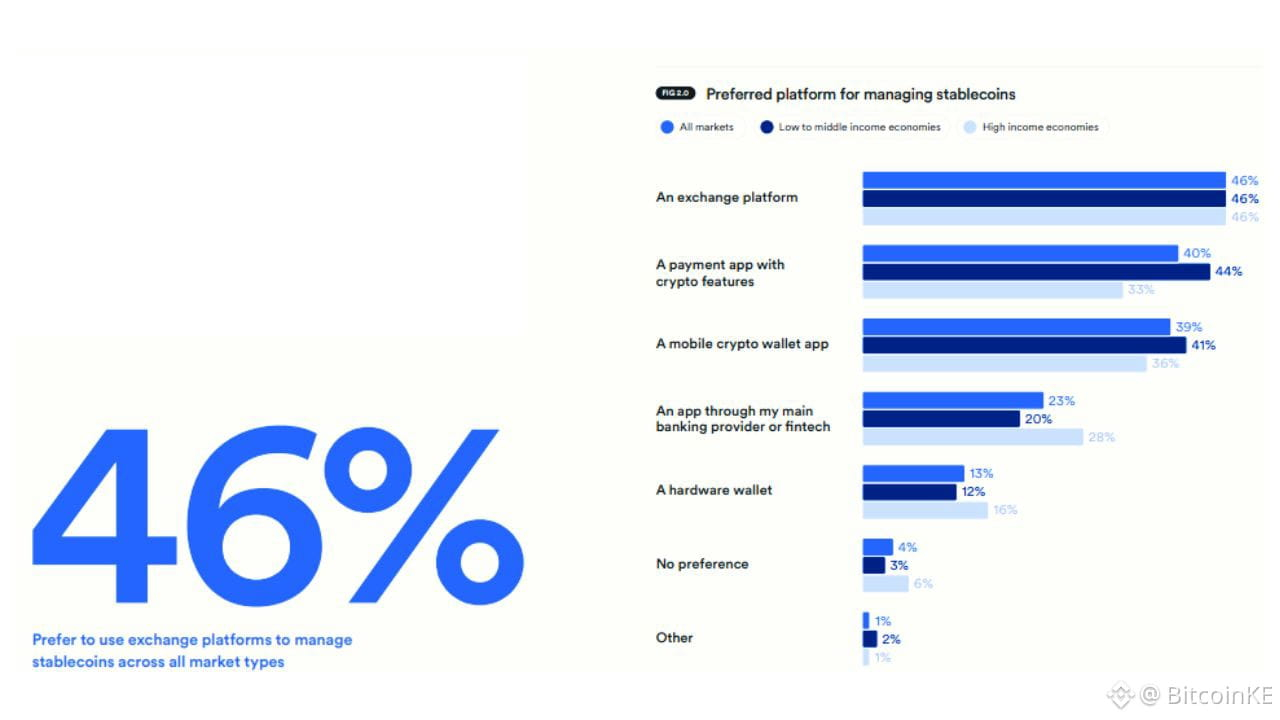
However, when it comes to moving money, such as transfers between crypto platforms and gaming ecosystems, or between crypto platforms and digital wallets, stablecoin and crypto rails often outperform traditional systems in both speed and cost, adding to their growing appeal.
“Crypto isn’t only being used for day-to-day spending at the checkout, but increasingly for behind-the-scenes money movement and value transfers between platforms and systems. For example, moving funds from crypto ecosystems into gaming platforms or digital wallets.
With the right crypto gateway and on-ramp infrastructure, these value flows can be embedded directly into existing payment and settlement journeys,” he explains.
Co-founder and COO, Jonathan Katz, notes that while many merchants are still in a “normalising” phase, the ecosystem layer above them is highly active.
“Payment service providers, platforms, wallet companies, gaming operators and other enterprises see the next wave of payments coming and are actively seeking crypto partners. Large e-commerce platforms, for example, are already evaluating providers.
Meanwhile, many high-end brands that have begun accepting crypto are quietly chipping away at the stigma, making it feel less like a fringe experiment and more like a logical next step,” he says.
Shopify Launches Early Access to USDC Stablecoin Payments on Base
Addressing challenges to drive merchant uptake
According to the co-founders, three key elements can significantly reduce lingering concerns.
First, selecting a provider that locks in a fixed Rand (or other fiat) amount at the point of quote, hedges volatility in the background, and settles T+1 into the merchant’s bank account eliminates fears around price swings and reconciliation issues.
Second, a wallet-agnostic design enables customers to pay from almost any wallet or exchange globally. This addresses questions around real demand and avoids the limitations of solutions restricted to a narrow set of local users. It is particularly important for merchants serving international customers in luxury retail, tourism, gaming, and hospitality.
Finally, adopting an omnichannel, direct-to-merchant integration where compliance and crypto complexity are managed behind the scenes allows finance and operations teams to process crypto and stablecoin transactions much like traditional card or bank payments, without needing in-house crypto expertise.
“If viewed holistically, waiting may carry more strategic risk than moving early with the right partner. The regulatory fog is lifting, customer familiarity with crypto is set to accelerate, and the sectors that move first are likely to normalise crypto payments while capturing meaningful brand and revenue gains.
The debate for African merchants has now shifted from an ‘if’ to a ‘when’ question,” Jonathan Katz says.
PRESS RELEASE | Scan to Pay Enables Direct Crypto Payments Through MoneyBadger Integration to Over 650,000 Merchants in South Africa
__________
About Ezeebit
Ezeebit is a South African FSCA-regulated crypto payment infrastructure company (FSP & CASP No. 53664) that enables merchants to accept cryptocurrency payments with instant stablecoin settlement and local fiat payouts.
Operating since 2023, it was founded by brothers Daniel, Jonathan and David Katz, who identified firsthand how traditional payment systems were failing African merchants. Ezeebit was built from the ground up to address real merchant challenges through compliance-first infrastructure.
The company currently serves brick-and-mortar and online merchants across South Africa, with plans to expand into the broader African market.
PRESS RELEASE | South African Payment Processor, Ozow, Announces New Crypto Payments Solution Powered by MoneyBadger
Stay tuned to BitKE on crypto payments across Africa.
Join our WhatsApp channel here.
Follow us on X for the latest posts and updates
Join and interact with our Telegram community
___________________________________________