
I was nursing a lukewarm coffee in my kitchen, watching the neighbor's dog chase its tail in endless circles, and it got me thinking about how patterns repeat themselves without much change. The dog never catches it, but it keeps going, like it's convinced the next lap will be different. That's when I decided to check my phone, scrolling through Binance Square to kill time, and I landed on this CreatorPad campaign for Fogo. It was focused on enterprise adoption possibilities and real-world integrations, with sections breaking down how the project could slot into big business operations.

As I tapped through the campaign details, reading about potential tie-ins with corporate supply chains and legacy systems, something clicked that unsettled me. There was this one screen highlighting seamless API connections for enterprise-grade security and compliance—terms like "regulatory alignment" and "scalable integrations" kept popping up. It wasn't hype; it was practical, almost bland. But in that moment, staring at those bullet points on my screen, I realized the push for enterprise adoption isn't the triumph we pretend it is in crypto circles. It's more like a quiet surrender.
We all buy into this myth that crypto is the great disruptor, the tool that's going to upend centralized power and give control back to the people. Decentralization, anonymity, borderless finance—those are the banners we wave. But when you dig into what enterprise adoption really means, especially for something like Fogo with its $FOGO token, it starts looking like the opposite. Enterprises don't adopt new tech to revolutionize themselves; they adopt it to reinforce what they already do. They layer on controls, audits, and hierarchies that crypto was supposed to escape. It's not about freeing data or transactions; it's about making them trackable, taxable, and tame.
Think about it beyond just one project. In the broader crypto space, we've seen this play out time and again. A token starts with wild promises of community governance and peer-to-peer magic, but to get "real-world" traction, it has to bend. Integrations mean APIs that plug into existing databases, which are often proprietary and locked down. Adoption possibilities sound exciting until you see they're gated by KYC walls and regulatory nods that strip away the anonymity we cherish. Fogo's campaign made this crystal clear as an example—it's positioning itself for those enterprise handshakes, talking about how $$FOGO ould facilitate streamlined operations in industries like logistics or finance. But streamlined for whom? The corporations that already hold the reins, not the average user hoping for a fairer system.
This isn't just neutral evolution; it's dilution. The common belief is that more adoption equals progress, that getting big players on board validates the tech and sends values soaring. But what if it's the other way around? What if courting enterprises means crypto projects end up as glorified add-ons to the status quo, losing their edge in the process? It's uncomfortable because it questions the narrative we tell ourselves—that we're building something truly independent. Instead, we're often just repackaging old power structures with a blockchain veneer. I've followed enough projects to see the pattern: the ones that "succeed" in enterprise spaces start sounding like corporate press releases, prioritizing scalability over sovereignty.
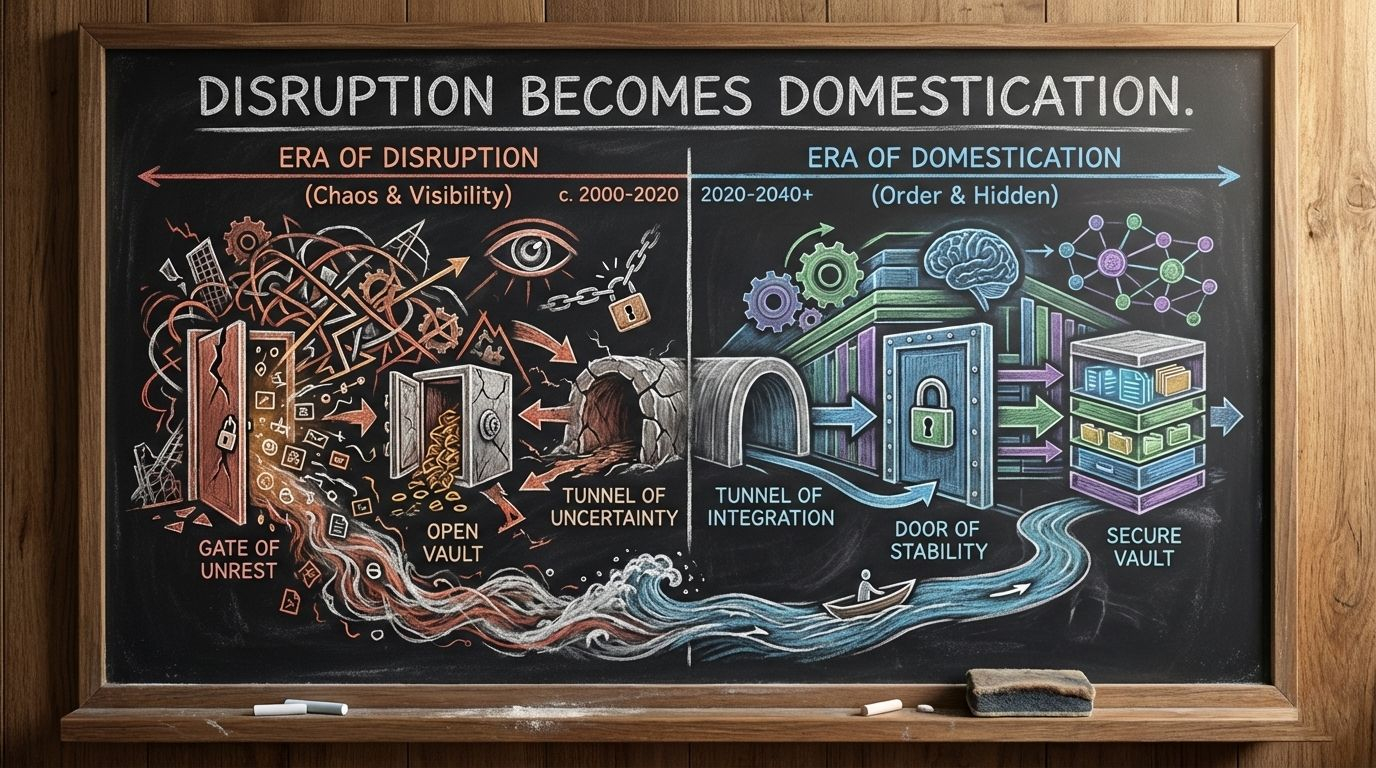
And yet, here we are, celebrating these integrations as wins. Maybe it's inevitable in a world where money talks and regulations bite, but it disturbs me how readily we accept it. Fogo isn't unique in this; it's symptomatic. The campaign didn't sell moonshots; it sold compatibility, which feels like code for compromise.
So, if enterprise adoption is the path most projects take, does that mean crypto's revolutionary spark was always destined to flicker out?
@Fogo Official #fogo $FOGO