
I was sipping my morning coffee the other day, staring out the window at the neighborhood kids organizing a impromptu soccer game. It struck me how naturally hierarchies form even in play— one kid always ends up calling the shots, directing the others, not because of any rule, but just because he's louder or more confident. It got me thinking about how we assume fairness in systems, but power tends to cluster anyway.
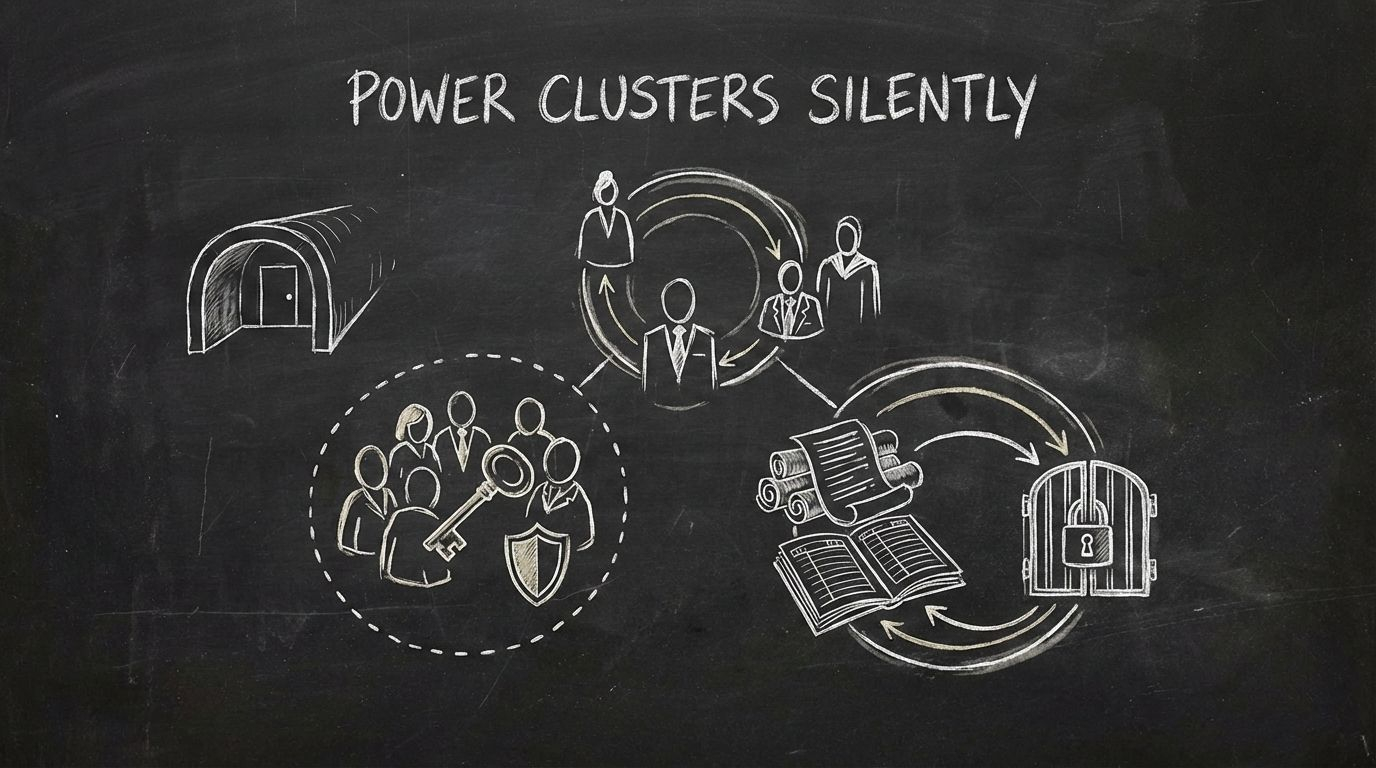
That thought lingered as I opened up Binance Square and dove into this CreatorPad campaign. I wasn't planning to spend much time, but the task on validator selection and decentralization metrics pulled me in. There I was, on the selection interface, toggling through the options for potential validators, watching the metrics update in real time— things like stake concentration ratios and the Gini coefficient for node distribution. It was straightforward at first, just evaluating based on uptime and performance scores.
But then it hit me: these metrics, meant to promote decentralization, actually highlight how easily power consolidates in crypto networks. We all parrot the line that blockchain is inherently decentralized, freeing us from centralized overlords like banks or governments. Yet, when you look closely, the very tools we use to measure it reveal the opposite.
Take that moment on the screen— I selected a few validators for simulation, and the decentralization score dipped noticeably because the top performers, with their massive stakes, dominated the pool. The Nakamoto coefficient popped up, showing that just a handful of nodes could theoretically collude to control the network. It wasn't some abstract theory; it was right there in the dashboard, triggered by my own clicks as I tried to balance the selection. That specific readout disturbed me because it forced me to confront how our pursuit of decentralization often masks emerging central points of failure. It's uncomfortable to admit, but crypto's promise of equal distribution feels more like a comforting myth when the metrics lay it bare like that.
This isn't just a quirk of one task; it ripples out to the broader ecosystem. We celebrate projects for their decentralized ethos, but validator selection processes— reliant on economic incentives like staking rewards— inevitably favor those with more resources. Wealthier participants can afford better hardware, more reliable connections, and thus higher scores, creating a feedback loop where the rich get richer in influence. It's like those neighborhood kids: the one with the ball ends up dictating the rules. In crypto, we pretend algorithms level the field, but metrics show otherwise, challenging the belief that technology alone can eradicate human tendencies toward concentration.
With Fogo - $FOGO , it played out similarly during the task. As an example, reviewing their validator pool, the metrics indicated a skew toward established nodes, even in a supposedly community-driven setup. It wasn't blatant, but the numbers didn't lie— decentralization scores improved only marginally when adding smaller validators, suggesting that true spread is harder to achieve than advertised. This makes me question if we're building resilient networks or just sophisticated versions of the same old power structures.
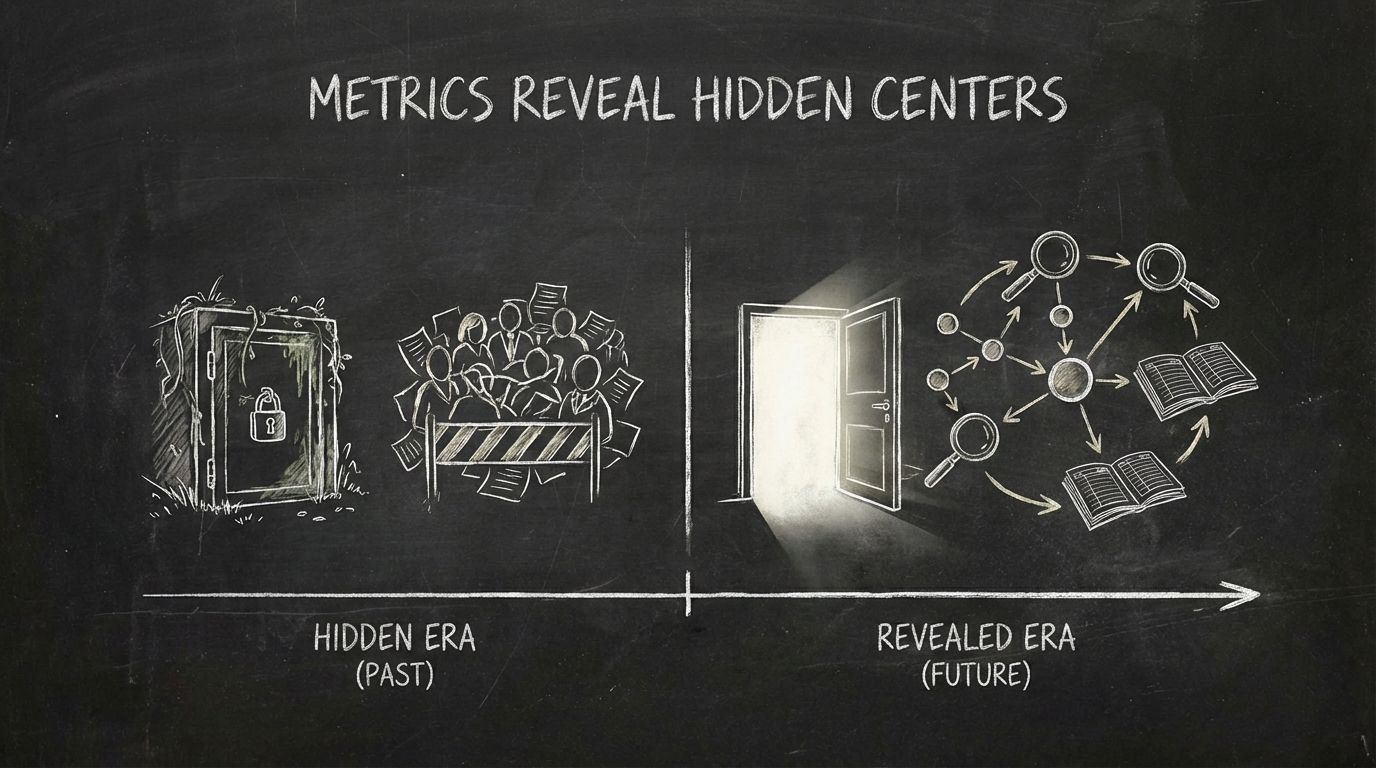
Expanding further, this idea touches on governance too. We rely on these metrics to guide decisions, but they can be gamed— think about sybil attacks or coordinated staking pools that inflate decentralization on paper while centralizing control in practice. It's risky to say, but perhaps the common faith in decentralization as crypto's holy grail blinds us to these realities. If we're honest, many networks operate more like oligarchies than democracies, with metrics serving as a veneer rather than a safeguard.
Still, acknowledging this doesn't mean abandoning the ideal; it means refining it. But it does challenge the narrative that crypto is immune to centralization's pitfalls. We've built entire ideologies around decentralization being unbreakable, yet tasks like this one peel back the layers.
What if the real strength of crypto lies not in perfect decentralization, but in our willingness to confront its imperfections?
@Fogo Official #fogo