

Privacy in Blockchain Finance: Comparing Dusk Network and Ethereum
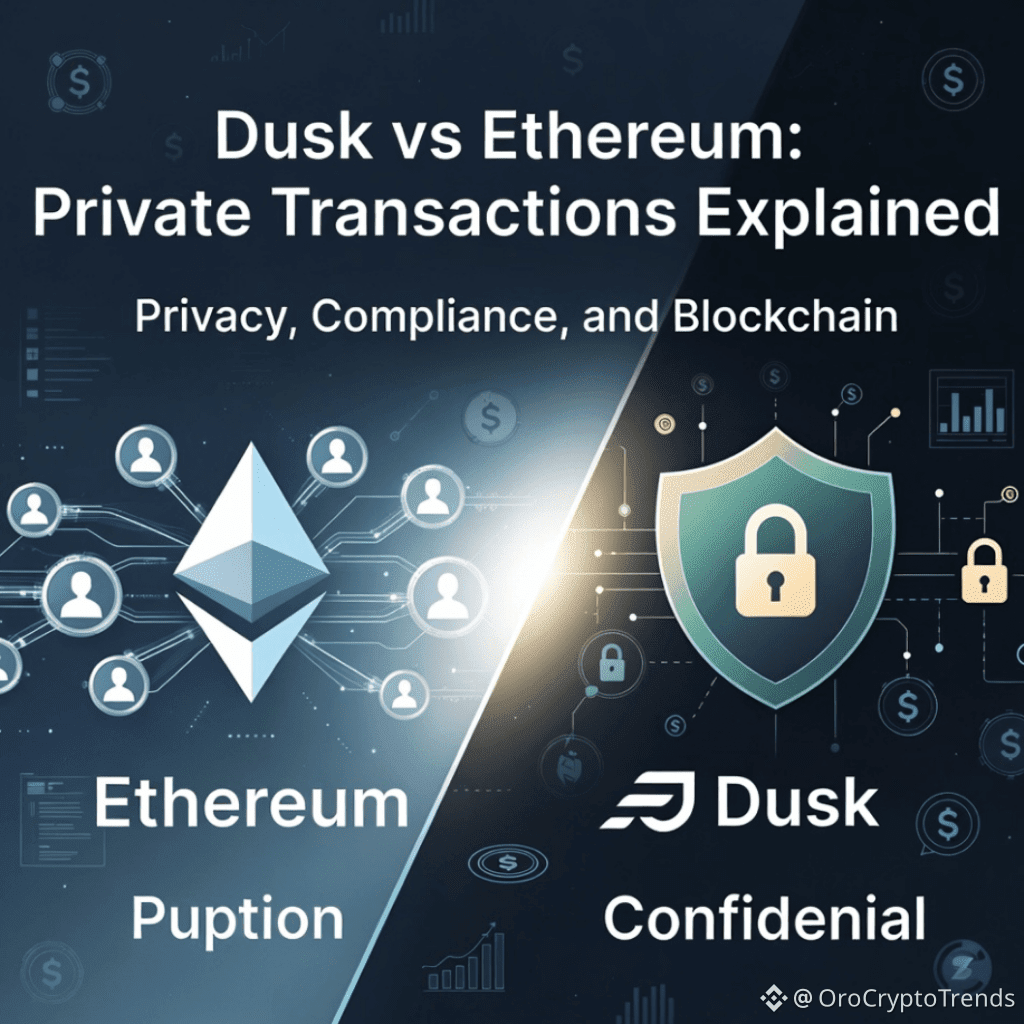
Let’s be honest: in the world of blockchain, privacy is more than just a feature—it’s a necessity, particularly for anyone handling sensitive financial information. Ethereum may dominate the decentralized application space, but its defining principle of transparency means that every single transaction is visible to all. That’s fantastic for openness and accountability, but not so ideal if you’re a business or individual who needs to keep financial operations confidential.
Dusk Network, on the other hand, was designed from the outset with privacy and regulatory compliance at its core, targeting the specific needs of financial institutions. So, when it comes to safeguarding transaction details and meeting compliance requirements, how do these two blockchain platforms really compare? Let’s explore the differences in depth.
Ethereum: Transparency Above All
Ethereum operates on a public, account-based architecture. Every transaction—whether it’s a simple transfer or a complex smart contract execution—is permanently recorded on the blockchain for anyone to inspect. This level of transparency is a double-edged sword: it’s great for decentralized finance (DeFi) protocols, open-source projects, and community trust, but it leaves no room for privacy by default.
To address privacy, Ethereum relies on a range of supplementary technologies—like zk-rollups, privacy-focused smart contracts, and mixers—but these are essentially add-ons rather than integrated features. Anyone seeking privacy on Ethereum must assemble their own solution, often stitching together different tools and protocols. This not only increases technical overhead and points of failure but also introduces extra complexity and compliance challenges for institutions operating under strict regulations.
Dusk Network: Privacy Engineered from the Start
Dusk Network was architected specifically for regulated financial markets, making privacy and compliance inseparable from the protocol itself. Here’s what sets Dusk apart:
Flexible Transaction Models:
- Phoenix: Employs a UTXO (unspent transaction output) model, enabling users to select between fully transparent or confidential transactions, depending on their needs. This flexibility means you can shield sensitive data or open it up for auditing, as required.
- Moonlight: Provides an account-based model for those scenarios where transparency is mandated, giving organizations the versatility to adapt to different regulatory demands.
Confidential Smart Contracts: Dusk’s proprietary Zedger protocol enables organizations to deploy smart contracts—such as those used for security token offerings (STOs)—without disclosing underlying business logic or transaction details. This approach delivers regulatory compliance and auditability while preserving confidentiality, a crucial combination for financial players.
Rapid, Auditable Consensus: Through its succinct attestation protocol, Dusk finalizes transactions in seconds. This swift finality, combined with robust audit trails, ensures that institutions can trust the integrity, speed, and regulatory soundness of their data.
How Do They Really Differ?
While Ethereum tacks on privacy features as optional layers, Dusk approaches privacy as a foundational principle. Here’s a direct comparison:
- Native Privacy: Dusk offers it by design; Ethereum requires external solutions.
- Smart Contract Privacy: Ethereum’s solutions are limited and often experimental, while Dusk integrates confidential contracts at the protocol level.
- Transaction Models: Ethereum sticks with its account-based system; Dusk supports both UTXO (Phoenix) and account-based (Moonlight) approaches, maximizing flexibility.
- Built-In Compliance: Dusk is ready for regulated markets out of the box; Ethereum users must build or integrate compliance tools separately.
- Transaction Finality: Ethereum takes minutes to confirm and finalize transactions, while Dusk achieves finality in seconds, a vital advantage for high-frequency or regulated financial environments.
In summary, Ethereum’s privacy solutions feel like afterthoughts, patched onto a fundamentally transparent system. Dusk, meanwhile, embeds privacy into every layer of its architecture, while still allowing for selective transparency and regulatory oversight when necessary.
Where Each Chain Excels
Ethereum remains the gold standard for DeFi, open-source projects, and applications where openness and community verification are essential. Its broad adoption and developer ecosystem are unmatched. But for those who require privacy and compliance—such as banks, asset managers, or issuers of regulated digital securities—Dusk Network is purpose-built to address these needs seamlessly, without the need for complex workarounds.
Final Thoughts
Both blockchains bring significant strengths to the table, but their approaches to privacy are fundamentally different at the protocol level. Ethereum depends on external privacy enhancements, which can be cumbersome and difficult to maintain for businesses with strict legal or regulatory requirements. Dusk Network, in contrast, merges privacy and compliance within the core protocol, offering institutions a straightforward path to confidential, auditable transactions.
If you’re interested in blockchain solutions for regulated finance or require airtight privacy for sensitive transactions, Dusk Network is designed with your needs in mind. Stack it up against Ethereum, and you’ll see a clear distinction: Ethereum is ideal for open, permissionless innovation, while Dusk is tailored for confidential, compliant financial operations.
#DuskNetwork #Ethereum #BlockchainPrivacy #DeFi #CryptoCompliance #ConfidentialTransactions #SecurityTokens
Explore how Dusk Network and Ethereum measure up on private transactions and regulatory compliance, and choose the right platform for your business needs.
Not Financial Advice