
In an evolving Web3 landscape where many networks compete on speed alone, Plasma is setting a higher standard by building decentralized infrastructure rooted in long-term availability, reliability, and real-world usability. Through its transparent and scalable architecture, @plasma is creating an ecosystem where developers can confidently deploy applications that demand consistent performance, secure access, and global accessibility.
The $XPL token plays a critical role in aligning the network’s economic incentives, ensuring that users, validators, and builders all contribute to a system that rewards trust, stability, and sustainable participation. This design transforms decentralized technology from experimental concepts into practical digital solutions for finance, data services, and next-generation identity systems.
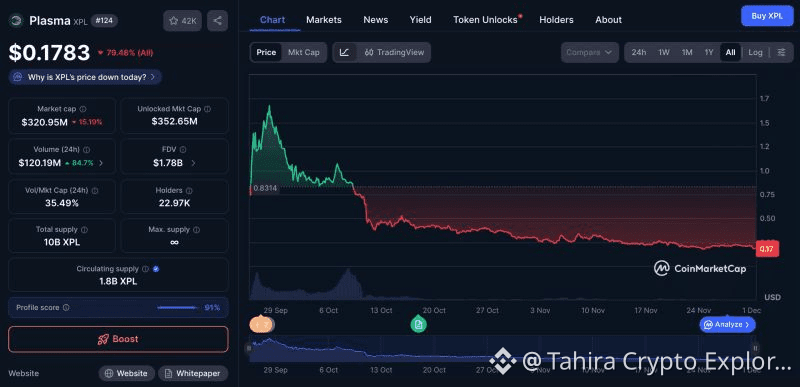
As Web3 adoption continues to grow across industries and communities, Plasma is positioning itself not as a short-term trend, but as a foundational layer for future digital infrastructure. Rather than chasing hype, this vision emphasizes resilience, developer trust, and long-term value creation as the true drivers of a decentralized and sustainable global economy.
One of Plasma’s strongest advantages is how its design balances decentralization with predictable performance, making it suitable for both startups and enterprise-grade applications.
Imagine a cross-border payment platform or a decentralized identity service running on Plasma, where uptime and trust are not optional, but guaranteed by network design.
Sharing independent Web3 research and infrastructure-focused insights | Not financial advice
What real-world application would you most like to see built on Plasma — payments, data services, or digital identity?