

Have you ever tried sending a small amount of crypto and thought, Why did that cost so much and take so long? I remember one afternoon trying to move some stablecoins quickly during a sudden market drop. Nothing dramatic, just trying to shift funds but fees were jumping the network was slow and it honestly didn t feel like the future of money It felt more like waiting in a long line at a bank just online That’s exactly the kind of frustration that early scaling ideas like Plasma were trying to fix
Plasma is easier to understand if you think about it like a city. Ethereum is this massive, highly secure highway, but during rush hour, it gets clogged. Plasma was basically trying to build smaller side streets where most of the traffic could flow freely, and then only occasionally report back to the main highway to keep things secure. Transactions happen on these smaller chains, and the main Ethereum chain acts as the ultimate safety net. If something goes wrong, users can always return to the main chain. The goal was simple: make crypto usable for everyday activity, not just large, rare transactions.
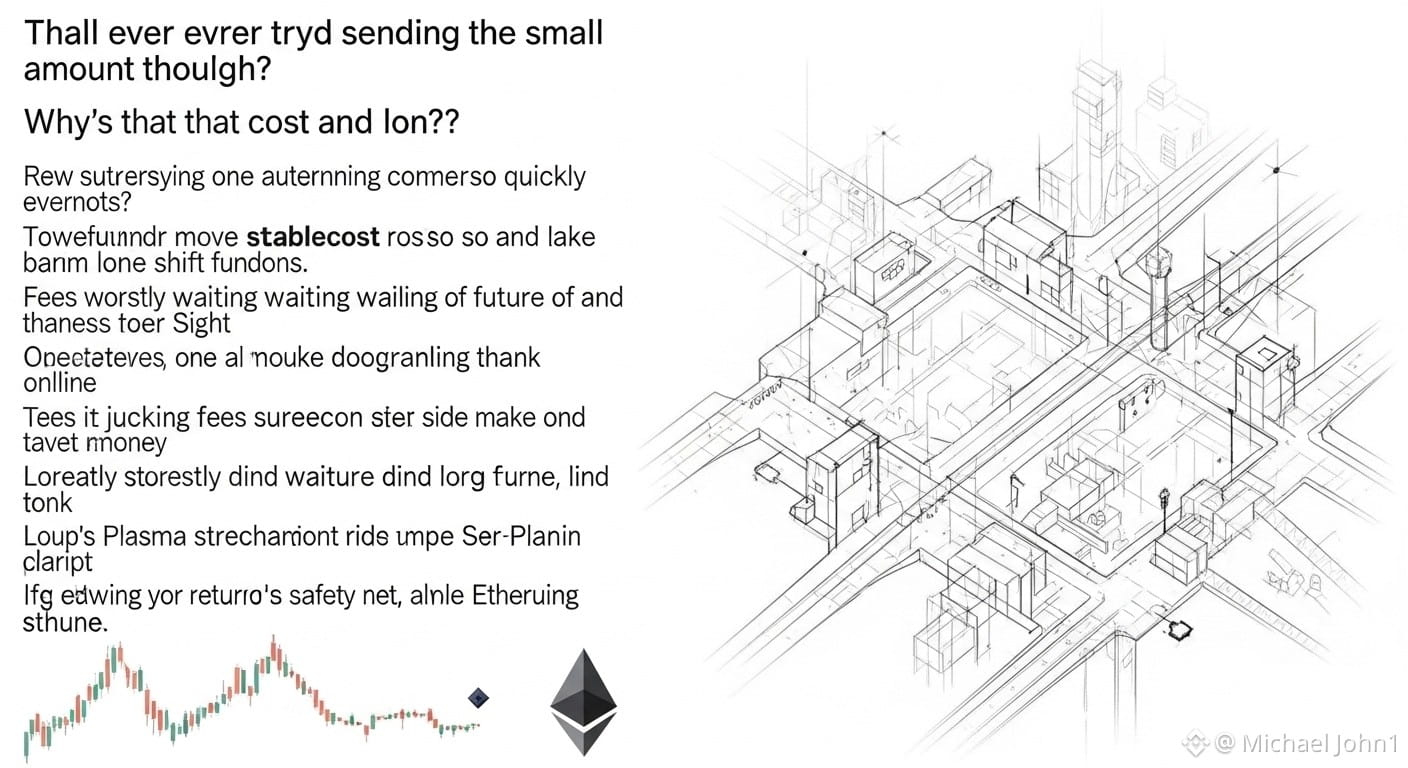
Where this really hits home is when you think about real people using crypto in their daily lives. Imagine sending small amounts of money to family members regularly, paying for apps or online games, or running apps where thousands of tiny transactions happen every day. In many parts of the world, people don’t send huge sums of money; they send small amounts often. If fees spike unpredictably, crypto stops being convenient and starts feeling stressful. From my own experience moving stablecoins during volatile markets, predictability matters far more than raw speed. You want it to work, like sending a text, without having to calculate whether fees will eat your transfer. That’s the everyday problem Plasma was designed to solve.
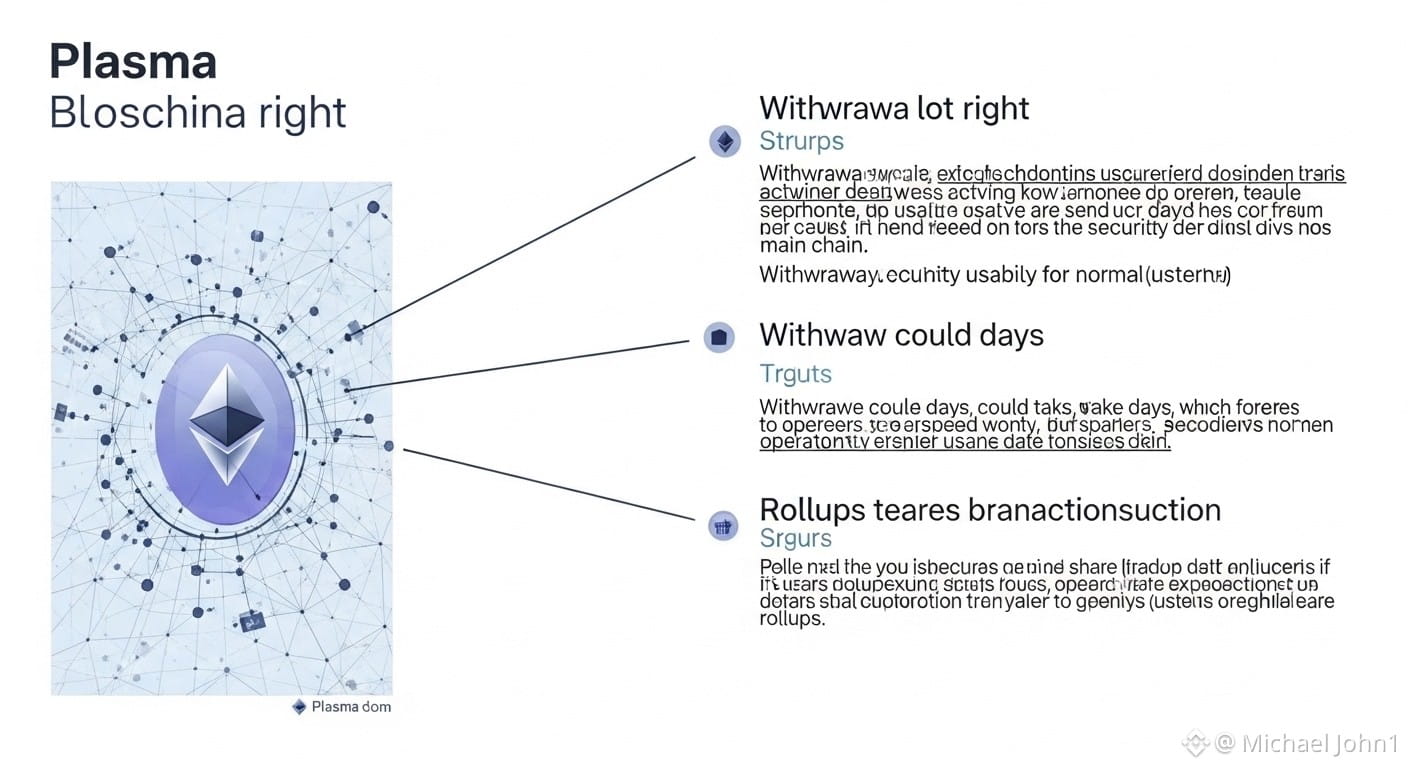
I think Plasma got a lot right. It forced the industry to rethink how blockchains could be used, showing that not everything has to live on the main chain. It focused on usability for normal users and tried to strike a balance between speed and security, even if imperfectly. But it also had its challenges. Some designs required users or third parties to actively monitor the network for fraud, which isn’t realistic for most people. Withdrawals could take days, which in crypto can feel like forever, and if operators didn’t share transaction data properly, users could be exposed to risk. These issues are part of why newer solutions like rollups have gained popularity. Still, Plasma’s influence is everywhere.
I see Plasma today as more of a stepping stone than an endpoint. It’s like the early smartphone: not perfect, not fast, but it changed the way people thought about what was possible. Plasma helped developers and users alike understand that not everything needs to happen on a single chain and that layered solutions can make crypto feel more natural. Those lessons are still shaping the space today.
If you were building a crypto app for everyday people, would you prioritize rock-solid security or fast, cheap transactions that feel invisible? And do you think ideas like Plasma could quietly return in niches like gaming or micro-payments? I’d love to hear how you see it.