(And why it doesn’t feel like migration at all)
The moment I started thinking about moving a project to Vanar, nothing had actually failed.
There was no outage. No exploit. No dramatic post-mortem.
There was just fatigue.
The kind that builds quietly when you spend more time compensating for infrastructure than building product. Writing defensive code. Designing UI warnings for problems users didn’t create. Explaining delays that technically weren’t bugs, but still felt like your responsibility.
That’s usually when migration begins — long before the technical checklist.
Most people frame migration as effort.
Porting contracts. Learning quirks. Updating assumptions. Rewriting docs.
But the harder part isn’t the move.
It’s unlearning the habits you built to survive unpredictable systems.
On large, congested chains, you design assuming things will go wrong:

Fees might spike.
Blocks might stall.
Transactions might land… eventually.
So you compensate. You add escape hatches. You explain. You soften expectations.
What surprised me about Vanar wasn’t how quickly things ran after deployment.
It was how much I deleted afterward.
Fewer conditionals.
Fewer “just in case” checks.
Fewer UI messages apologizing for behavior outside my control.
Vanar feels opinionated and that’s the point.
You don’t get infinite freedom. Certain patterns simply aren’t encouraged. But in exchange, the system behaves consistently enough that you can reason about it. Transactions settle when you expect them to. User actions feel stable. Flows stop branching into defensive logic.
That predictability changes how you design.
You stop building for failure modes.
You start trusting the default path.
Gasless interactions matter here not as a headline feature, but as a design unlock. You don’t pause the experience to explain fees. You don’t teach users what’s happening underneath. The infrastructure absorbs the complexity so the product can stay focused on what the user came for.
Even the token layer stays quiet.
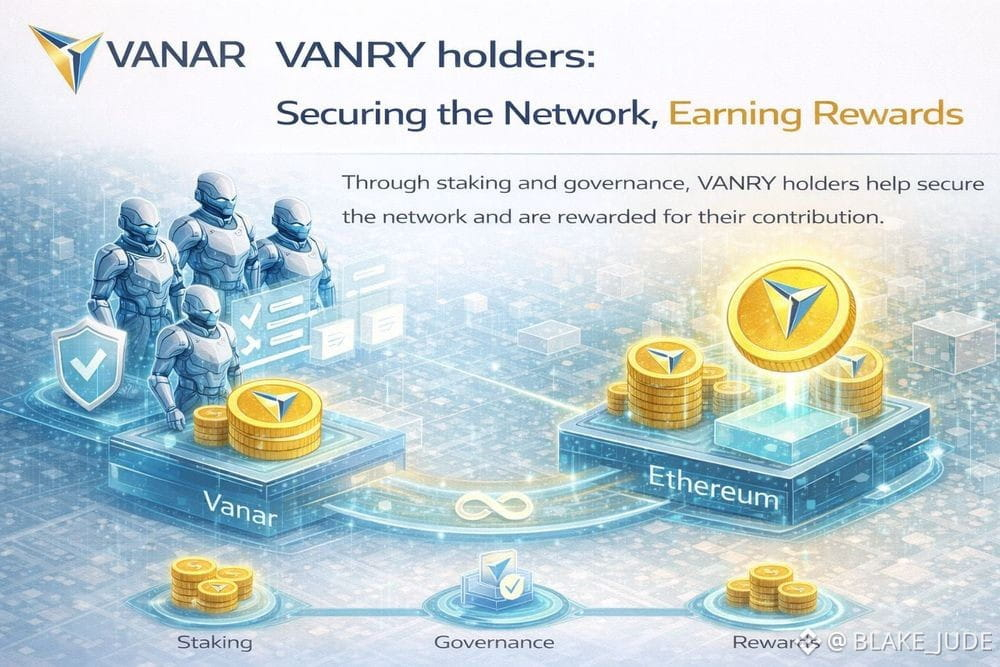
It does its coordination work aligning validators, maintaining stability without demanding to be part of your story. For developers who don’t want to become amateur economists just to ship software, that separation is a relief.
None of this removes risk.
The ecosystem is smaller.
Tooling is still maturing.
Integrations aren’t endless.
And restraint can feel uncomfortable if you’re used to maximal composability.
But ease of migration isn’t really about speed.
It’s about how much mental overhead disappears after you move.
Vanar doesn’t make development louder or more exciting.
It makes it calmer.
And the real question isn’t whether developers want more spectacle.
It’s whether, after enough burns elsewhere, quiet starts to feel like the upgrade.