##WhaleDeRiskETH: What It Means for Ethereum Traders on Binance
A recent wave of large ETH transactions has caught the attention of traders across the crypto space. On-chain data shows that several major wallets have begun de-risking their Ethereum holdings, either by moving ETH to exchanges or swapping it into stablecoins. For Binance users, this behavior could signal short-term caution, but also potential opportunity.
Who Are the Whales?
In crypto, “whales” are individuals or entities that hold large amounts of a token—often enough to influence market prices with a single trade. When whales move their assets, especially to exchanges, it often signals intent to sell or hedge, which can trigger broader market reactions.
What’s Happening with ETH?
According to on-chain analytics, several wallets holding over 10,000 ETH have recently transferred funds to known exchange addresses, including Binance. Some have converted portions of their holdings into USDT or USDC, while others have opened short positions on ETH futures. This “de-risking” behavior typically occurs when large holders anticipate market weakness or want to lock in profits after a rally.
Why It Matters
1. Price Pressure: Whale inflows to exchanges often precede sell-offs. If enough ETH hits the market at once, it can push prices down quickly—especially in already volatile conditions.
2. Sentiment Shift: Whale activity can influence retail behavior. When traders see large holders exiting, fear can spread, leading to more selling and increased volatility.
3. Liquidity Signals: Movements into stablecoins may indicate whales are preparing to re-enter at lower levels, using their dry powder to buy back cheaper ETH later.
Binance Market Impact
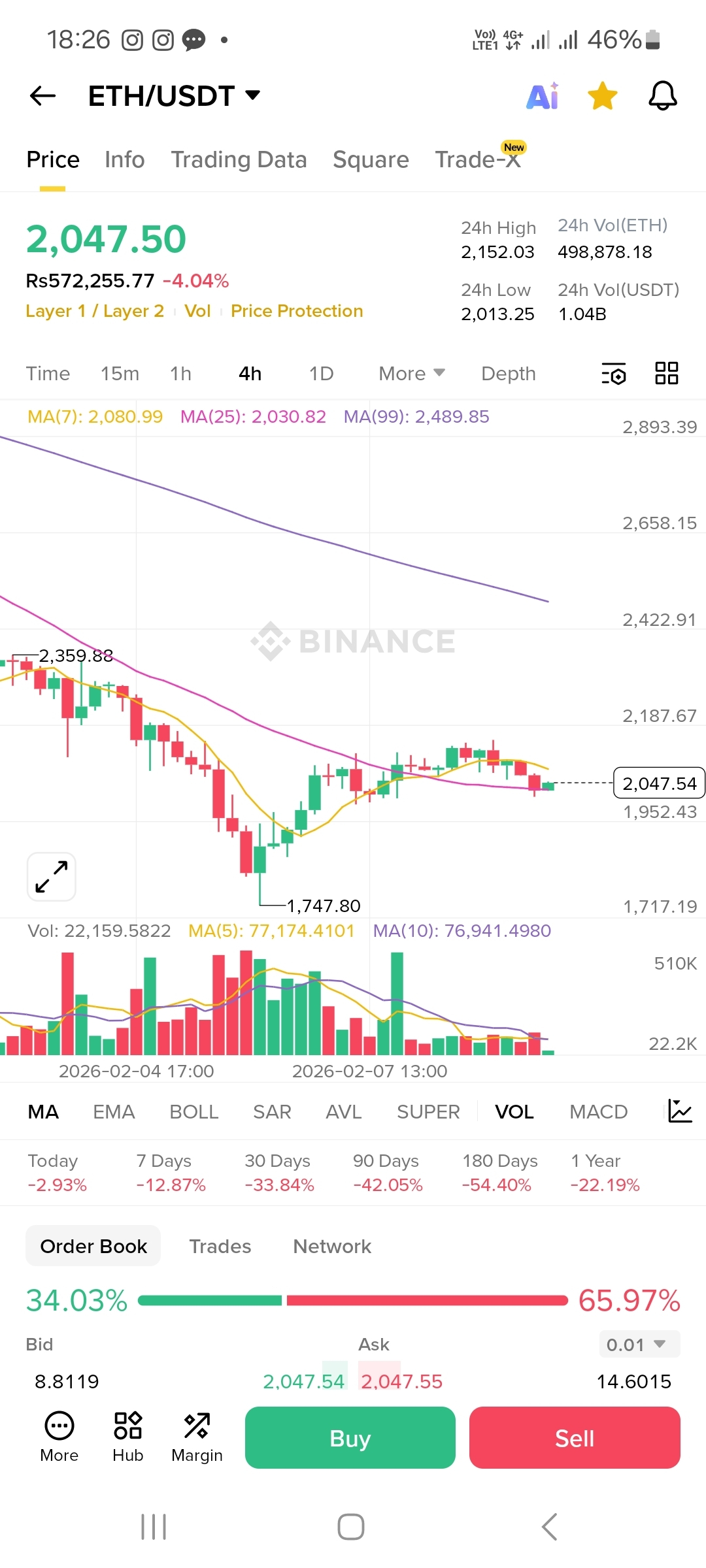
On Binance, ETH trading volume has spiked, with a noticeable uptick in sell orders and short positions. However, there’s also been a rise in stablecoin deposits—suggesting that some traders are preparing to buy the dip. ETH’s price has already shown signs of weakness, testing key support around $3,000.
How Traders Can Respond
- Watch Order Books: Large sell walls on Binance can signal resistance levels.
- Track Whale Wallets: Tools like Nansen or Whale Alert can help monitor real-time movements.
- Use Futures Wisely: If you’re comfortable with leverage, ETH futures on Binance allow you to hedge or short exposure.
- Set Stop-Losses: Protect your downside in case whale selling accelerates.
Long-Term Outlook
Despite short-term de-risking, Ethereum’s fundamentals remain strong. The network continues to dominate DeFi, NFTs, and Layer-2 scaling solutions. Many analysts view whale exits as temporary repositioning rather than long-term bearishness.
Final Thoughts
#WhaleDeRiskETH is a reminder that crypto markets are still heavily influenced by large players. For Binance users, staying alert to whale movements can help you anticipate volatility and make smarter trades.
Would you like this turned into a tweet thread, infographic, or something else for Binance?:
A recent wave of large ETH transactions has caught the attention of traders across the crypto space. On-chain data shows that several major wallets have begun de-risking their Ethereum holdings, either by moving ETH to exchanges or swapping it into stablecoins. For Binance users, this behavior could signal short-term caution, but also potential opportunity.
Who Are the Whales?
In crypto, “whales” are individuals or entities that hold large amounts of a token—often enough to influence market prices with a single trade. When whales move their assets, especially to exchanges, it often signals intent to sell or hedge, which can trigger broader market reactions.
What’s Happening with ETH?
According to on-chain analytics, several wallets holding over 10,000 ETH have recently transferred funds to known exchange addresses, including Binance. Some have converted portions of their holdings into USDT or USDC, while others have opened short positions on ETH futures. This “de-risking” behavior typically occurs when large holders anticipate market weakness or want to lock in profits after a rally.
Binance Market Impact
On Binance, ETH trading volume has spiked, with a noticeable uptick in sell orders and short positions. However, there’s also been a rise in stablecoin deposits—suggesting that some traders are preparing to buy the dip. ETH’s price has already shown signs of weakness, testing key support around $3,000.
How Traders Can Respond
- *Watch Order Books*: Large sell walls on Binance can signal resistance levels.
- *Track Whale Wallets*: Tools like Nansen or Whale Alert can help monitor real-time movements.
- *Use Futures Wisely*: If you’re comfortable with leverage, ETH futures on Binance allow you to hedge or short exposure.
- *Set Stop-Losses*: Protect your downside in case whale selling accelerates.
Long-Term Outlook
Despite short-term de-risking, Ethereum’s fundamentals remain strong. The network continues to dominate DeFi, NFTs, and Layer-2 scaling solutions. Many analysts view whale exits as temporary repositioning rather than long-term bearishness.
Final Thoughts
#WhaleDeRiskETH is a reminder that crypto markets are still heavily influenced by large players. For Binance users, staying alert to whale movements can help you anticipate volatility and make smarter trades.
A recent wave of large ETH transactions has caught the attention of traders across the crypto space. On-chain data shows that several major wallets have begun de-risking their Ethereum holdings, either by moving ETH to exchanges or swapping it into stablecoins. For Binance users, this behavior could signal short-term caution, but also potential opportunity.
Who Are the Whales?
In crypto, “whales” are individuals or entities that hold large amounts of a token—often enough to influence market prices with a single trade. When whales move their assets, especially to exchanges, it often signals intent to sell or hedge, which can trigger broader market reactions.
What’s Happening with ETH?
According to on-chain analytics, several wallets holding over 10,000 ETH have recently transferred funds to known exchange addresses, including Binance. Some have converted portions of their holdings into USDT or USDC, while others have opened short positions on ETH futures. This “de-risking” behavior typically occurs when large holders anticipate market weakness or want to lock in profits after a rally.
Why It Matters
1. *Price Pressure*: Whale inflows to exchanges often precede sell-offs. If enough ETH hits the market at once, it can push prices down quickly—especially in already volatile conditions.
2. *Sentiment Shift*: Whale activity can influence retail behavior. When traders see large holders exiting, fear can spread, leading to more selling and increased volatility.
3. *Liquidity Signals*: Movements into stablecoins may indicate whales are preparing to re-enter at lower levels, using their dry powder to buy back cheaper ETH later.
Binance Market Impact
On Binance, ETH trading volume has spiked, with a noticeable uptick in sell orders and short positions. However, there’s also been a rise in stablecoin deposits—suggesting that some traders are preparing to buy the dip. ETH’s price has already shown signs of weakness, testing key support around $3,000.
How Traders Can Respond
- *Watch Order Books*: Large sell walls on Binance can signal resistance levels.
- *Track Whale Wallets*: Tools like Nansen or Whale Alert can help monitor real-time movements.
- *Use Futures Wisely*: If you’re comfortable with leverage, ETH futures on Binance allow you to hedge or short exposure.
- *Set Stop-Losses*: Protect your downside in case whale selling accelerates.
Long-Term Outlook
Despite short-term de-risking, Ethereum’s fundamentals remain strong. The network continues to dominate DeFi, NFTs, and Layer-2 scaling solutions. Many analysts view whale exits as temporary repositioning rather than long-term bearishness.
Final Thoughts
#WhaleDeRiskETH is a reminder that crypto markets are still heavily influenced by large players. For Binance users, staying alert to whale movements can help you anticipate volatility and make smarter trades.