
UNI and LTC: Exploring Two Different Facets of the Cryptocurrency Market
The world of cryptocurrency is vast and ever-evolving, offering a diverse range of digital assets with unique functionalities and market positions. Among the thousands of cryptocurrencies, Uniswap (UNI) and Litecoin (LTC) represent two distinct approaches to blockchain technology and its applications. While UNI embodies the decentralized finance (DeFi) revolution, LTC stands as a testament to the enduring power of a simpler, faster alternative to Bitcoin.
Uniswap (UNI): The Heart of Decentralized Exchange
Uniswap is a leading decentralized exchange (DEX) protocol built on the Ethereum blockchain. It allows users to swap various ERC-20 tokens without the need for a centralized intermediary, promoting a more secure and censorship-resistant trading environment.
How Uniswap Works:
Instead of relying on traditional order books, Uniswap utilizes an automated market maker (AMM) model. This system relies on liquidity pools, which are collections of two tokens locked in a smart contract. Users who provide liquidity to these pools are rewarded with a portion of the trading fees.
UNI Token's Role:
The UNI token is the native governance token of the Uniswap protocol. Holders of UNI have the power to vote on key proposals, such as protocol upgrades, fee structures, and the allocation of treasury funds. This decentralized governance model ensures that the future development of Uniswap remains in the hands of its community.
Key Features of Uniswap:
Decentralization: No central authority controls the exchange.
Permissionless: Anyone can use Uniswap without KYC (Know Your Customer) requirements.
Liquidity Provision: Users can earn fees by providing liquidity.
Governance: UNI token holders have a say in the protocol's future.
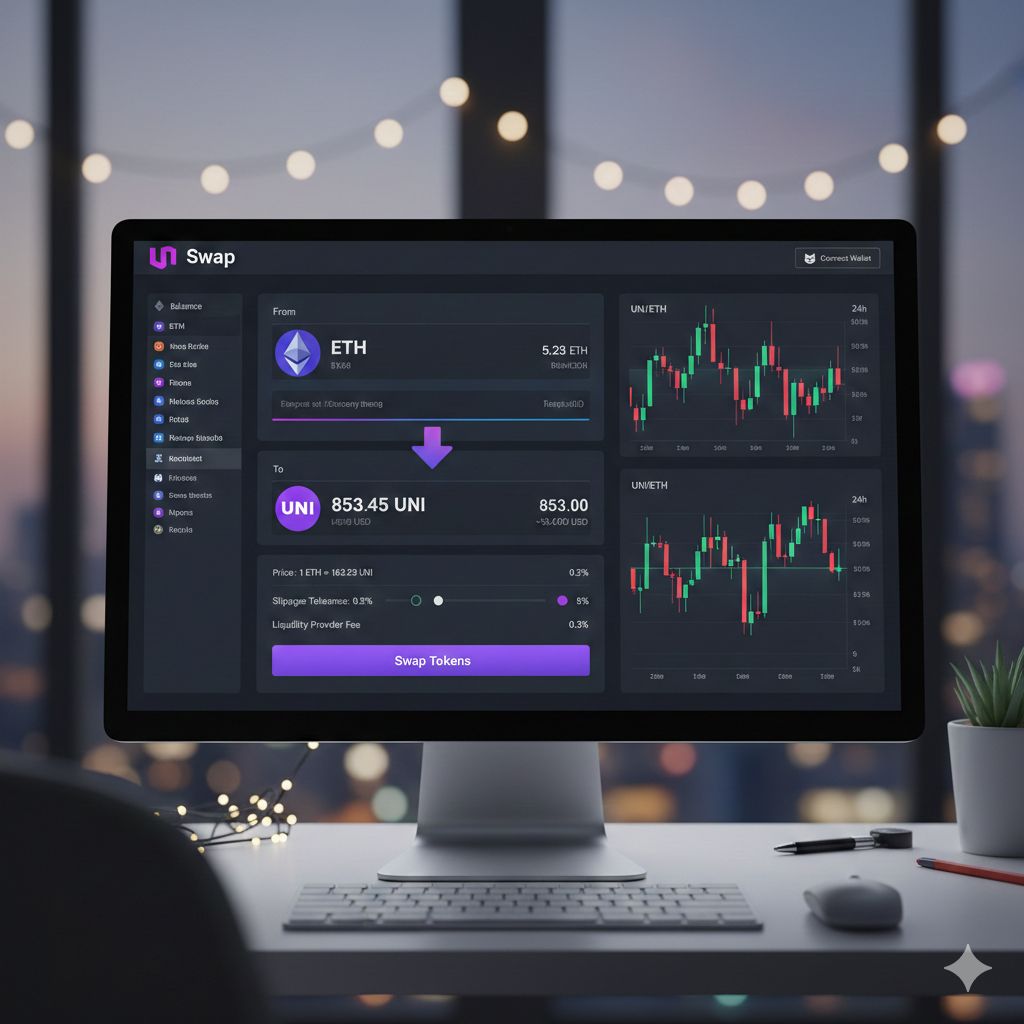
Here's an illustrative image of the Uniswap interface, showcasing its user-friendly design for token swaps:
Litecoin (LTC): The Silver to Bitcoin's Gold
Litecoin was created in 2011 by Charlie Lee, a former Google engineer, with the intention of being a "lite version" of Bitcoin. It shares many similarities with Bitcoin but aims to offer faster transaction speeds and a different mining algorithm.
How Litecoin Works:
Litecoin is a peer-to-peer cryptocurrency that enables instant, near-zero cost payments to anyone in the world. It is an open-source, global payment network that is fully decentralized without any central authorities.
Key Differences from Bitcoin:
Faster Block Generation: Litecoin generates blocks every 2.5 minutes, four times faster than Bitcoin's 10 minutes. This leads to quicker transaction confirmations.
Different Hashing Algorithm: Litecoin uses Scrypt for its proof-of-work algorithm, which was initially designed to be more resistant to ASIC mining than Bitcoin's SHA-256. However, ASICs for Scrypt have since been developed.
Larger Total Supply: Litecoin has a maximum supply of 84 million coins, four times that of Bitcoin's 21 million.
Litecoin's Enduring Appeal:
Despite the emergence of thousands of new cryptocurrencies, Litecoin has maintained its position as a prominent digital asset. Its focus on fast and cheap transactions makes it suitable for everyday payments, and its long history contributes to its perceived stability and trustworthiness within the crypto community.
Here's a visual representation of the Litecoin logo and its association with digital currency:
Litecoin (LTC): The Silver to Bitcoin's Gold
Litecoin was created in 2011 by Charlie Lee, a former Google engineer, with the intention of being a "lite version" of Bitcoin. It shares many similarities with Bitcoin but aims to offer faster transaction speeds and a different mining algorithm.
How Litecoin Works:
Litecoin is a peer-to-peer cryptocurrency that enables instant, near-zero cost payments to anyone in the world. It is an open-source, global payment network that is fully decentralized without any central authorities.
Key Differences from Bitcoin:
Faster Block Generation: Litecoin generates blocks every 2.5 minutes, four times faster than Bitcoin's 10 minutes. This leads to quicker transaction confirmations.
Different Hashing Algorithm: Litecoin uses Scrypt for its proof-of-work algorithm, which was initially designed to be more resistant to ASIC mining than Bitcoin's SHA-256. However, ASICs for Scrypt have since been developed.
Larger Total Supply: Litecoin has a maximum supply of 84 million coins, four times that of Bitcoin's 21 million.
Litecoin's Enduring Appeal:
Despite the emergence of thousands of new cryptocurrencies, Litecoin has maintained its position as a prominent digital asset. Its focus on fast and cheap transactions makes it suitable for everyday payments, and its long history contributes to its perceived stability and trustworthiness within the crypto community.
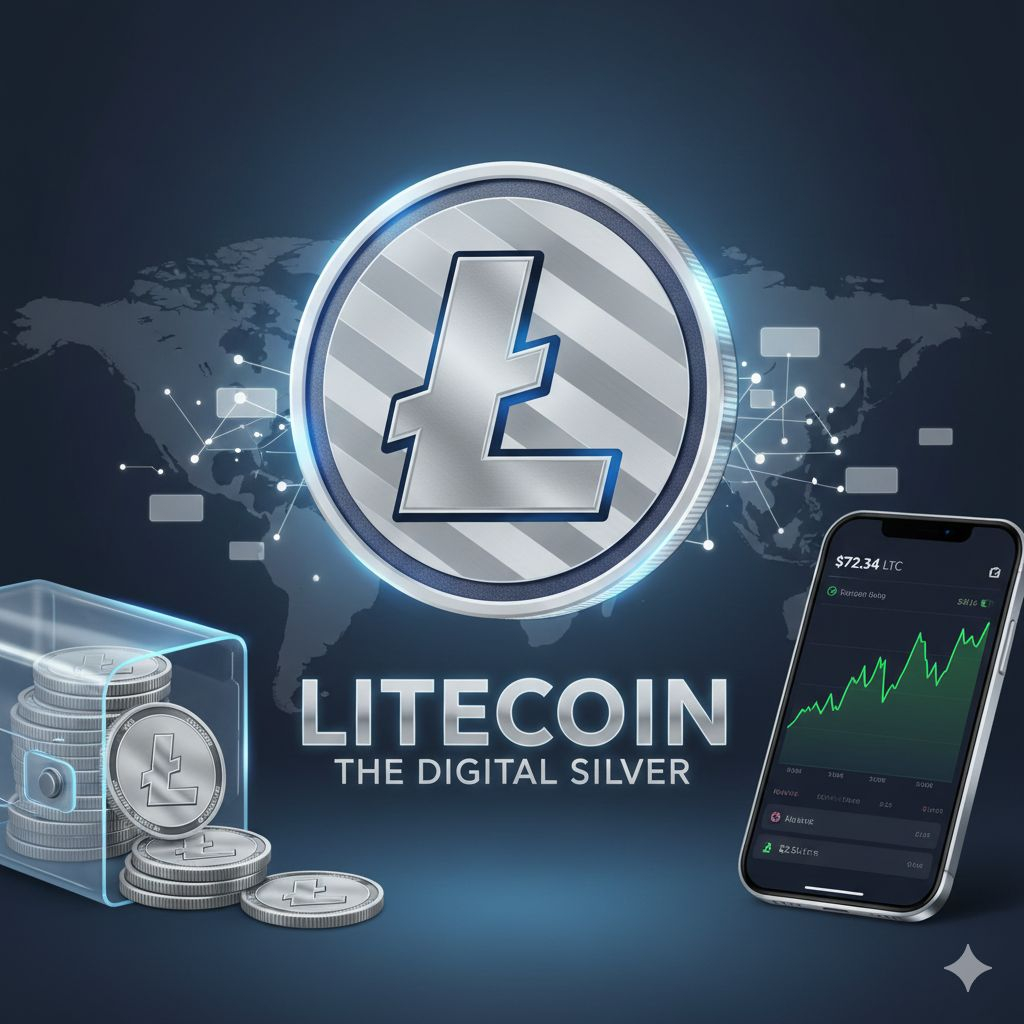
Here's a visual representation of the Litecoin logo and its association with digital currency:



#USNFPBlowout #GoldSilverRally #USTechFundFlows #USNFPBlowout #BitcoinGoogleSearchesSurge #USRetailSalesMissForecast