

In a world of shifting regulations, a blockchain that is physically anchored to one region becomes a structural risk. Fogo’s Multi-Local Consensus isn’t just about speed — it functions as a form of geopolitical risk management.
Through a “Follow the Sun” model, the network’s active consensus layer can rotate across jurisdictions, strengthening resilience and operational continuity.
The “Moving Target” Defense
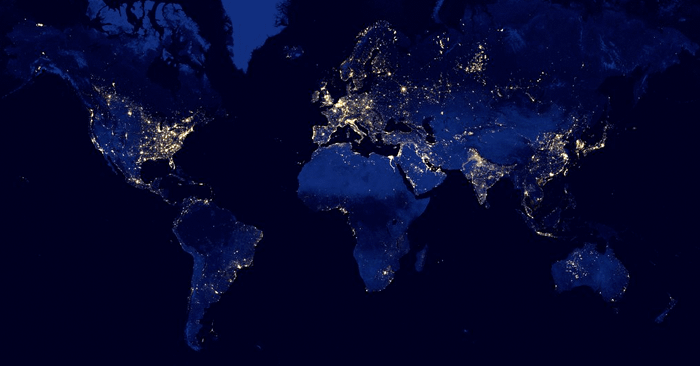
If a specific country introduces regulations that restrict validator activity, the Fogo network doesn’t need confrontation. Instead, it can rotate its active consensus zone to a more favorable jurisdiction in the next epoch.
Global Continuity
The ledger remains unchanged, but the physical concentration of “hot consensus” infrastructure shifts geographically. The network’s state persists — only its operational epicenter rotates.
Censorship Resistance
Because consensus authority is not permanently tied to one nation-state, no single government can fully disable the network. A global fallback mode ensures continuity.
Strategic Flexibility
Validators can position themselves in regions that optimize for networking latency, regulatory clarity, and infrastructure stability — balancing performance with compliance.

A Sovereign Network Architecture
This design makes Fogo structurally anti-fragile. It benefits from localized infrastructure advantages without becoming dependent on any single jurisdiction.
Rather than resisting regulation through rigidity, it adapts through distribution.
For FOGO holders, this architecture represents something deeper than decentralization — it reflects durability by design, engineered for a world where policy, power, and geography are constantly shifting. 🌍
@FOGO #Fogo $FOGO
