
Fogo is one of the most talked-about new blockchain projects entering 2026. In plain English, it’s a next-generation Layer-1 blockchain built on the Solana Virtual Machine (SVM) — the same execution environment that Solana uses — but designed from the ground up for ultra-fast, low-latency decentralized finance (DeFi) and trading applications. Unlike many blockchains that try to be everything for everyone, Fogo is intensely focused on delivering the speed and responsiveness that professional traders and financial builders care about, while keeping the door open for regular users to benefit too.
At its core, Fogo’s purpose is simple yet ambitious: to bring the on-chain experience closer to the responsiveness and performance you find in traditional markets. Imagine trading, lending, borrowing, or settling financial contracts on a blockchain that can generate blocks in 40 milliseconds and finalize transactions in around one to two seconds — that’s what Fogo aims to deliver. That level of speed isn’t just impressive as a technical benchmark; it’s meaningful because it lets applications like on-chain order books, perpetual futures, and automated market makers react almost in real time, bridging the gap between crypto markets and institutional-grade trading systems.
Under the hood, Fogo is built on the Solana Virtual Machine, meaning it’s compatible with the same smart contracts, developer tools, and programming languages (like Rust) that Solana developers already know. This compatibility matters because it dramatically lowers the barrier for existing Solana projects to migrate or expand onto Fogo without rewriting their code. A big part of Fogo’s performance comes from its use of a custom “Firedancer” validator client, which is engineered for high throughput and low latency, and from architectural decisions like parallel transaction execution and optimized networking. These technical tweaks help Fogo handle very high throughput — in some reports, it’s touted to reach hundreds of thousands of transactions per second in ideal conditions. 
Like all blockchains, Fogo has its own native token called FOGO. This token plays several important roles in the ecosystem. First, it’s used to pay gas fees for transactions, but thanks to innovative user features like Fogo Sessions, end users can often interact with applications without paying gas directly each time — developers or dApps can sponsor those fees instead, making the user experience smoother. Second, FOGO is used for staking: validators and delegators lock up tokens to help secure the network, and in return they earn rewards. This staking mechanism helps align incentives between regular users who want a healthy network and those who operate the infrastructure that keeps it running. Additionally, FOGO may serve in governance decisions and ecosystem incentives, where holding and using the token gives participants a voice or access to special features within the Fogo world.
The design of the FOGO token distribution has been deliberately structured to support long-term growth rather than short-term speculation. A significant portion of tokens is allocated to core contributors and long-term locked incentives, while community ownership and airdrop rewards ensure everyday users and early supporters can participate too. This model reflects a broader trend in modern blockchain launches where teams try to balance decentralization, fairness, and sustainability instead of concentrating tokens in a few hands.
One exciting part of Fogo’s story is the ecosystem that has already started to grow around it. Since the testnet phase, developers and teams have been building all kinds of DeFi and infrastructure tools that take advantage of Fogo’s speed and compatibility. Native projects include decentralized exchanges (DEXs), lending and borrowing protocols, liquid staking services, analytics tools, and wallets that support Fogo’s unique features. Tools like Ambient and Valiant aim to provide more fair and efficient trading with mechanisms like batch auctions and on-chain order books, while platforms like Fogolend focus on capital efficiency for lenders and borrowers. Wallets such as Leap Wallet, OKX Wallet, and Nightly ensure users can interact with the ecosystem without friction, and indexing and data services like Goldsky and Codex help developers and analysts make sense of on-chain activity. This vibrant mix shows that Fogo isn’t just a technology experiment — developers are actively building real products that people can use. 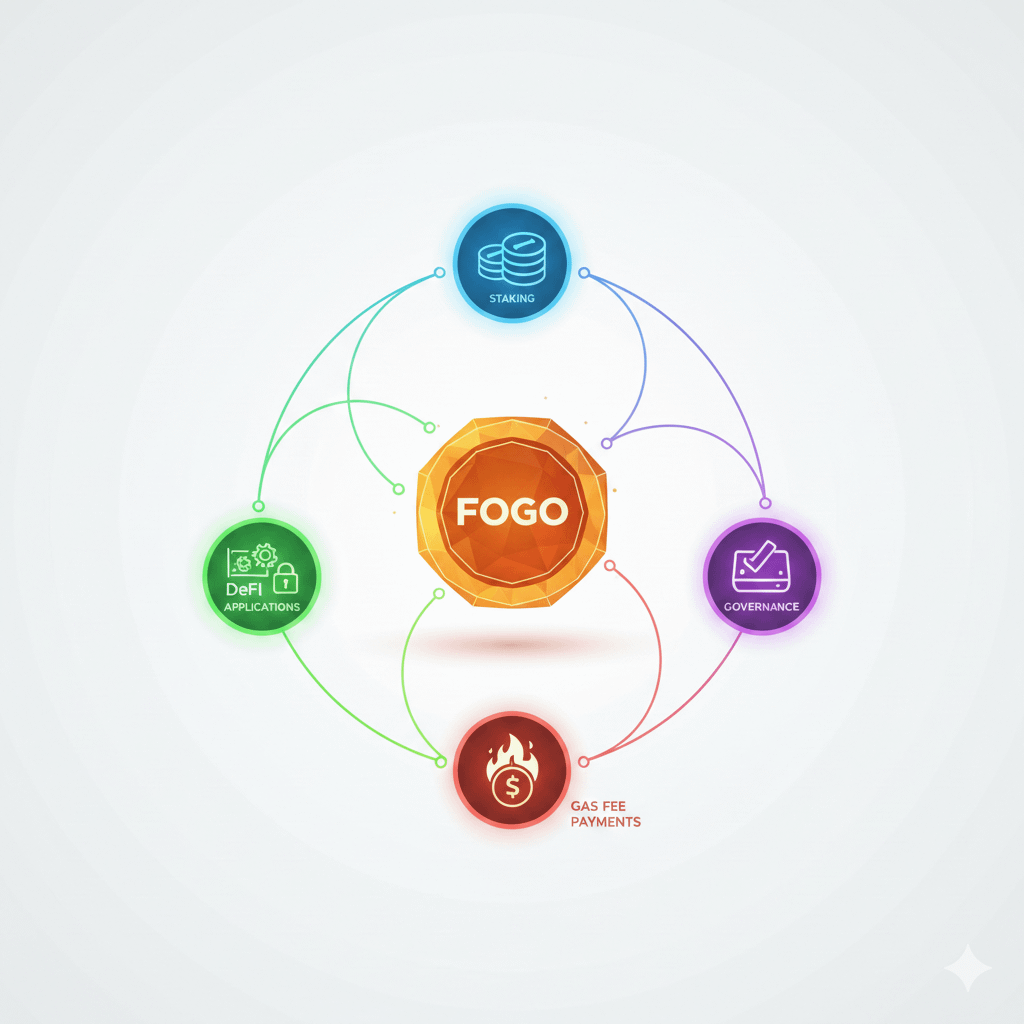
From a broader market trends perspective, Fogo’s arrival comes at a time when DeFi is looking for more professional-grade infrastructure. Traditional blockchains often struggle with predictability, fairness, and execution speed, especially under heavy load or in markets where milliseconds can make the difference between profit and loss. With its focus on reducing those pain points, Fogo taps into a growing demand for performance-oriented blockchains that don’t trade away too much in decentralization or compatibility. Moreover, being SVM-based means Fogo can benefit from Solana’s existing developer ecosystem, which has already cultivated a deep pool of tooling, community knowledge, and developer talent.
The launch of Fogo’s public mainnet in early 2026 was a major milestone. After months of development and public testing, Fogo went live with its full network, block generation, and live token listings on major exchanges, marking the transition from test environment to real-world usage. Initial price action has shown volatility typical for a new token in a developing market, but the mainnet launch itself represents a real step forward in proving the project’s capabilities and welcoming broader participation from traders, builders, and users.
Looking ahead, the future plans for Fogo focus on ecosystem growth, deeper liquidity, tooling improvements, and expanding the range of applications that can benefit from its infrastructure. Developers are keen to bring more complex financial primitives, innovative DeFi models, and cross-chain interoperability to the platform, making Fogo not just a niche chain for speed but a thriving open financial network. There’s also talk of expanding validator decentralization, improving governance structures, and continuing to refine the user experience so that interacting with DeFi feels seamless even for newcomers.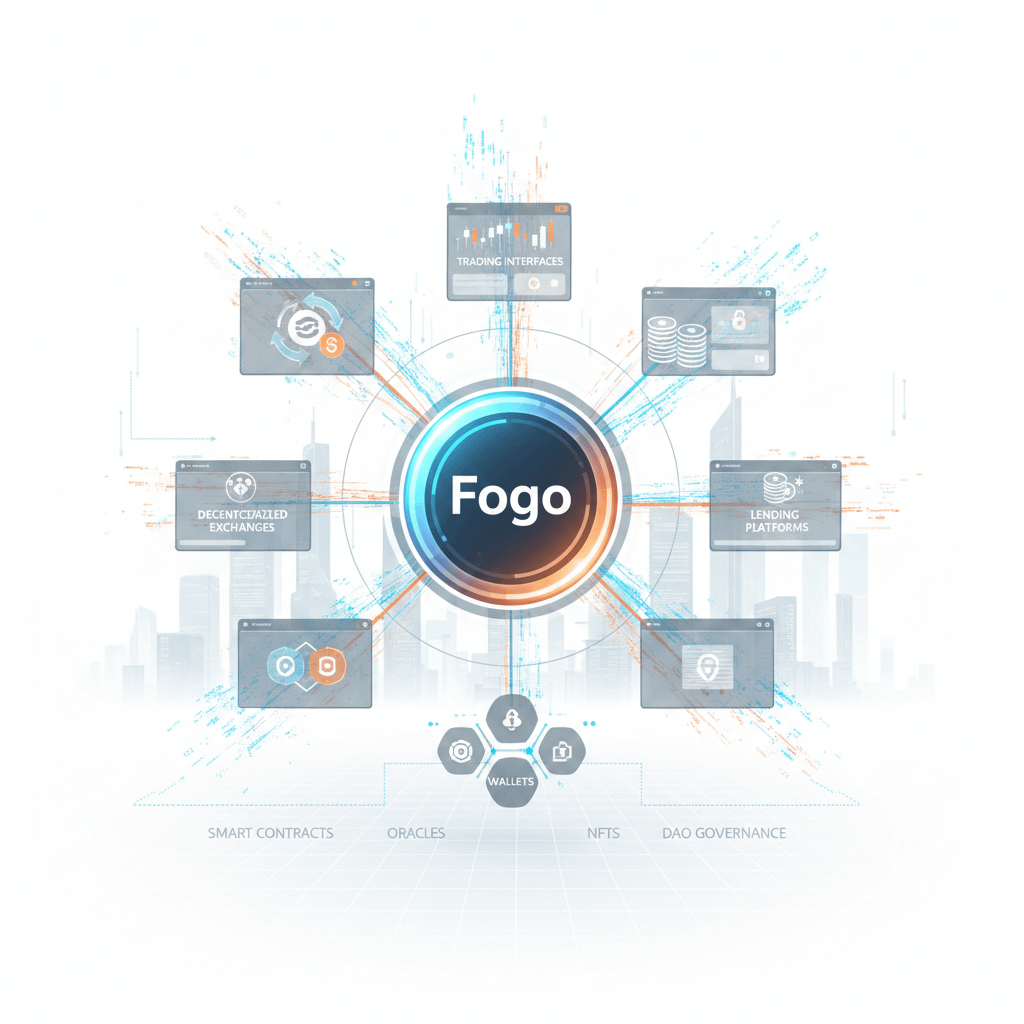
In short, Fogo represents a fascinating blend of performance engineering, blockchain compatibility, and real-world financial ambition. It’s exciting because it tries to solve problems that matter in practice — like speed, fairness, and usability — while staying grounded in realistic, developer-friendly technology. For anyone curious about where blockchain tech might go next, Fogo offers a glimpse into a future where on-chain finance is faster, fairer, and more accessible than ever before.