
The world of digital assets was marked by pivotal developments this Tuesday, ranging from stark warnings issued by one of the world’s largest financial institutions to a major exploit and new legislative efforts in the United States Senate. Here is a breakdown of the key events shaping the cryptocurrency sector today.
Banking Giant Sounds Alarm on Yield-Generating Stablecoins
During JPMorgan Chase's quarterly earnings discussion, executives voiced significant apprehensions regarding certain designs of dollar-pegged digital currencies. Jeremy Barnum, the firm's Chief Financial Officer, articulated concerns that stablecoins offering interest-like returns could foster a "parallel banking system" operating without the stringent safeguards of traditional finance.
Barnum emphasized that while the bank supports financial innovation, replicating core banking functions—such as offering deposit-like instruments that pay yield—outside the established regulatory perimeter is "an obviously dangerous and undesirable thing." This stance aligns with ongoing legislative efforts, such as the proposed GENIUS Act, which aims to establish clear regulatory boundaries for stablecoin issuance.
The commentary underscores a deepening tension between the traditional banking sector and the evolving digital asset ecosystem, particularly as stablecoins gain traction for payments and settlements.
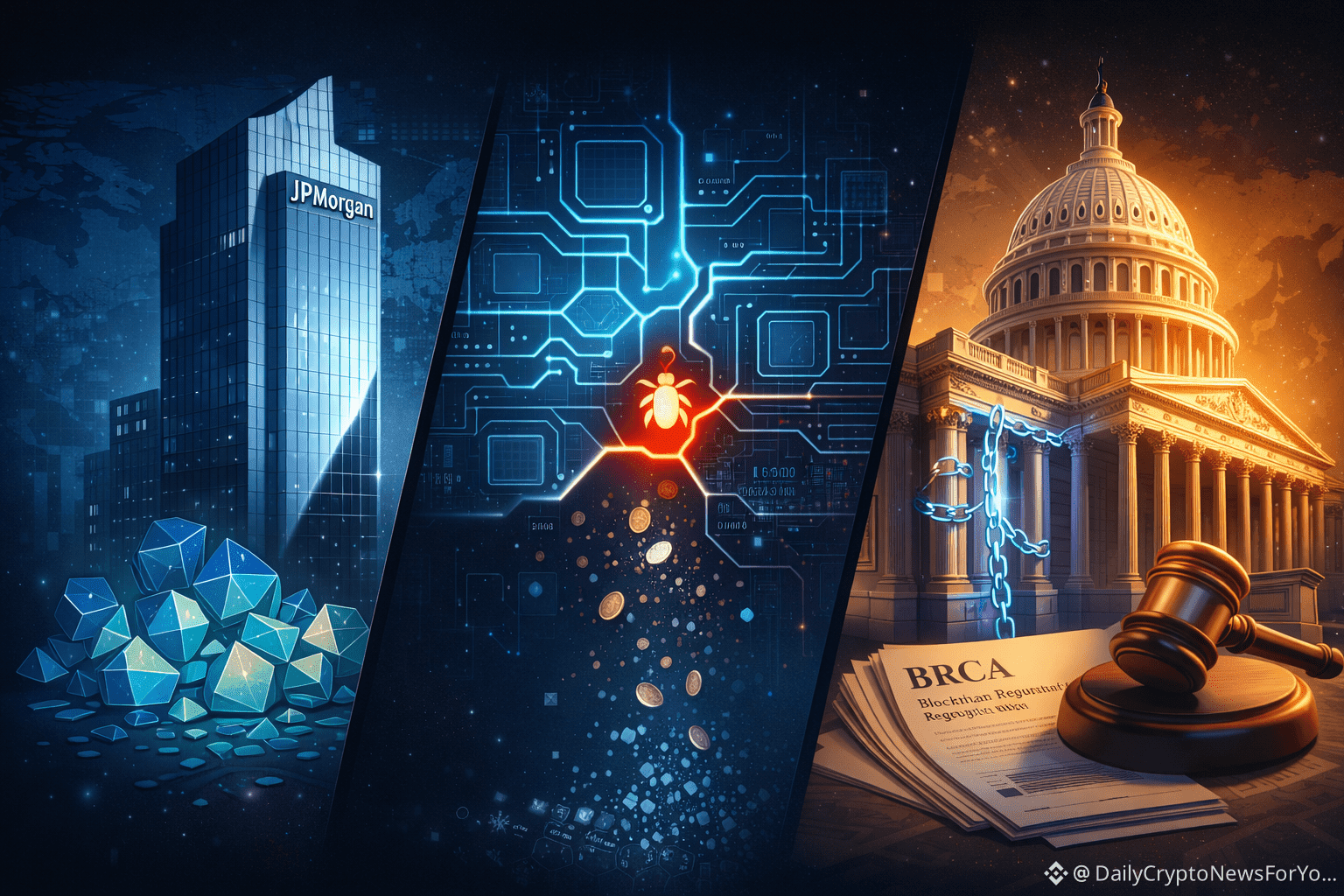
$26 Million Protocol Breach Tied to Smart Contract Vulnerability
In a separate incident, security analysts uncovered the root cause of a major breach affecting the Truebit protocol. The exploit, which resulted in approximately $26 million in losses and a near-total devaluation of its native token, was traced to a flaw in the project's smart contract code.
According to a detailed investigation by blockchain security firm SlowMist, the vulnerability allowed an attacker to mint massive quantities of tokens at virtually no cost. The issue stemmed from an integer overflow error in an older version of the Solidity programming language, which lacked built-in protections against such calculation errors.
This event serves as a stark reminder of the persistent security challenges within decentralized systems, especially for projects built on earlier-generation smart contract frameworks.
U.S. Senators Propose Legislation to Shield Blockchain Developers
On the regulatory front, U.S. Senators Cynthia Lummis and Ron Wyden introduced new standalone legislation aimed at providing legal clarity for software creators in the blockchain space. The proposed Blockchain Regulatory Certainty Act seeks to explicitly exempt developers and network service providers who do not custody user funds from being classified as money transmitters.
Senator Lummis stated that the bill is intended to offer the certainty needed to foster innovation within the United States, preventing scenarios where developers face legal risk simply for creating and maintaining neutral technology. This legislative move comes amid heightened scrutiny of software developers following legal actions against creators of privacy-focused protocols.
The Bigger Picture
Today’s developments collectively highlight the ongoing maturation and complexity of the cryptocurrency industry. Key themes include:
Regulatory Scrutiny: The debate around stablecoins is intensifying, with major financial institutions lobbying for strict guardrails to prevent perceived threats to the traditional banking model.
Security Imperatives: High-value exploits continue to expose vulnerabilities in smart contract code, emphasizing the critical need for rigorous audits and updated development practices.
Policy Evolution: Legislative efforts are progressing to create clearer rules for different actors within the crypto ecosystem, aiming to balance innovation, consumer protection, and financial stability.
As the digital asset landscape evolves, these interconnected issues of finance, technology, and law will continue to define the industry's trajectory in the year ahead.