
Most Layer 1 blockchains tried to become everything at once. DeFi, NFTs, gaming, social, memes, governance, all on the same base layer. That approach created innovation, but it also created congestion, unpredictable fees, and systems that work well for speculation but struggle with real payments.Plasma XPL takes a very different path.
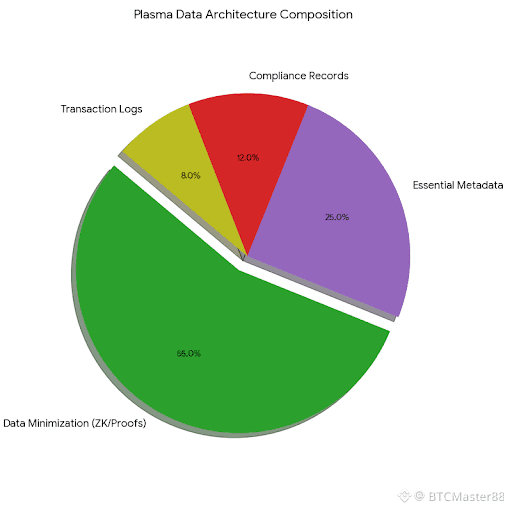
Instead of chasing every narrative, Plasma is built around one clear idea. Stablecoins are becoming the most used product in crypto, and they deserve infrastructure designed specifically for them.
If you look at actual on chain usage today, stablecoins dominate. They are used for remittances, salaries, merchant payments, treasury management, and cross border settlement. In many high adoption regions, stablecoins are already part of daily financial life. But the blockchains they run on were not designed for this kind of consistent, high frequency payment activity. Plasma exists to fix that mismatch.At its core, Plasma is a Layer 1 blockchain optimized for stablecoin settlement. This sounds simple, but it changes almost every design decision.
First, speed matters. Payments cannot wait minutes for confirmation, especially when users are sending stablecoins to pay for goods, services, or payroll. Plasma delivers sub second finality using its PlasmaBFT consensus. Transactions feel instant, which is critical if you want stablecoins to behave like digital cash rather than speculative assets.
Second, predictability matters. One of the biggest pain points in crypto payments is gas volatility. On many networks, fees spike exactly when demand is high. That is unacceptable for real world usage. Plasma introduces stablecoin first gas, meaning transaction fees are designed around stable assets rather than volatile native tokens. In practical terms, this makes costs more predictable and easier to reason about for both users and businesses.
Plasma goes even further by enabling gasless USDT transfers. This is a major shift in user experience. For everyday users, especially in emerging markets, the need to hold a separate gas token is a real barrier. Gasless transfers remove friction and make stablecoin usage feel closer to traditional payment apps, while still preserving the benefits of blockchain settlement.
Another critical choice Plasma makes is full EVM compatibility. By using Reth, Plasma ensures that Ethereum developers do not need to relearn everything to build on the network. Existing tooling, smart contracts, and developer workflows can move over with minimal friction. This matters because payments infrastructure only works if developers actually use it. Plasma does not ask builders to start from zero. It meets them where they already are.
While Plasma is optimized for stablecoins, it does not compromise on security or neutrality. Bitcoin anchored security is a key part of the design. By anchoring to Bitcoin, Plasma increases censorship resistance and long term trust. This is especially important for financial infrastructure. Payments rails need to be politically neutral and resistant to external pressure. Bitcoin provides a foundation that institutions and users already recognize as resilient and credible.This combination makes Plasma interesting for two very different groups at the same time.
On one side, there are retail users in high adoption markets. These are people who already use stablecoins as a hedge against inflation or as a cheaper way to send money across borders. For them, Plasma offers fast settlement, low friction, and a simpler experience. No complex gas management. No unpredictable delays. Just stablecoins that work.
On the other side, there are institutions. Payment providers, fintech platforms, remittance companies, and financial services firms need infrastructure that is reliable, compliant friendly, and scalable. Plasma’s design speaks their language. Sub second finality improves settlement efficiency. EVM compatibility reduces integration costs. Bitcoin anchoring strengthens trust assumptions. Stablecoin native gas models make accounting and forecasting easier.
What makes Plasma stand out is not just any single feature, but how everything fits together. Many chains offer speed. Some offer low fees. Others offer EVM compatibility. Plasma aligns all of these around a single use case instead of forcing payments to compete with unrelated activity.
This focus also reflects a broader shift in crypto. The next phase of adoption is not about flashy experiments. It is about infrastructure that quietly works every day. People do not talk about payment rails when they function properly. They just use them. Plasma is built with that mindset.
There is also something refreshing about Plasma’s approach in a market full of overpromises. It does not try to replace Ethereum, Bitcoin, or every other Layer 1. It complements them. Ethereum remains the innovation hub. Bitcoin remains the security anchor. Plasma becomes the settlement layer where stablecoins move quickly, cheaply, and reliably.
As stablecoins continue to grow, especially in regions where traditional banking is slow or expensive, the need for specialized infrastructure will only increase. General purpose chains can only stretch so far before tradeoffs become visible. Plasma accepts that reality and designs around it instead of fighting it.
In the long run, the success of blockchain will be measured less by hype cycles and more by daily usage. How many payments clear smoothly. How many users trust the system enough to rely on it. How many businesses build on top of it without worrying about fees or downtime.
Plasma XPL is positioning itself right in the middle of that future. Not as a chain for everything, but as a chain for something very specific and very important. Stablecoins, payments, and EVM finally aligned in a way that feels practical, scalable, and ready for the real world.

