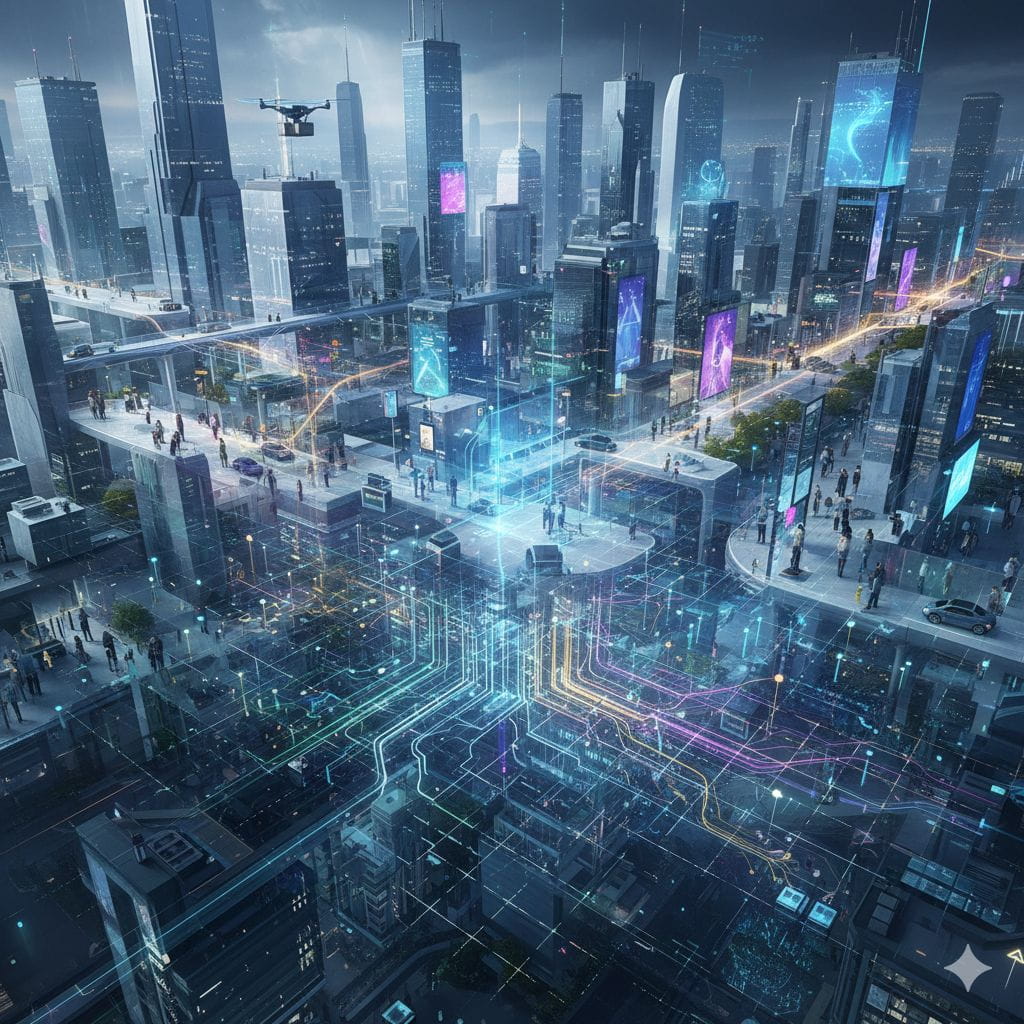
As blockchain technology matures, the conversation is shifting away from speculation and toward infrastructure that can actually support real-world usage. Scalability is no longer a future concern—it is a present requirement. Networks struggling with high fees, slow confirmations, and congestion are increasingly unable to serve users at scale. This changing reality is creating demand for execution-focused systems like Plasma, where performance and reliability are treated as core design goals rather than optional upgrades.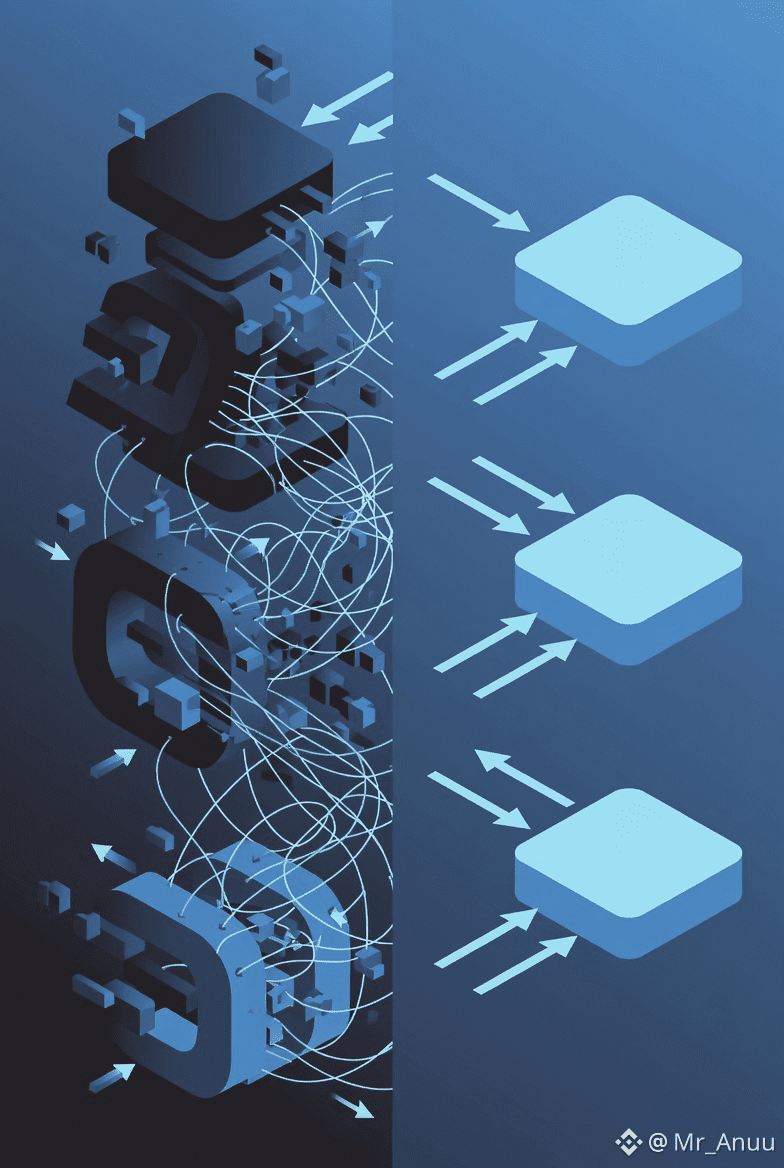
Plasma is built with the understanding that blockchains must behave like dependable infrastructure, not experimental systems. Instead of optimizing for short-term narratives, it prioritizes consistent execution, predictable costs, and scalability under load. This design philosophy directly strengthens the role of $XPL, as the token is embedded within a network designed for sustained usage rather than temporary spikes in attention.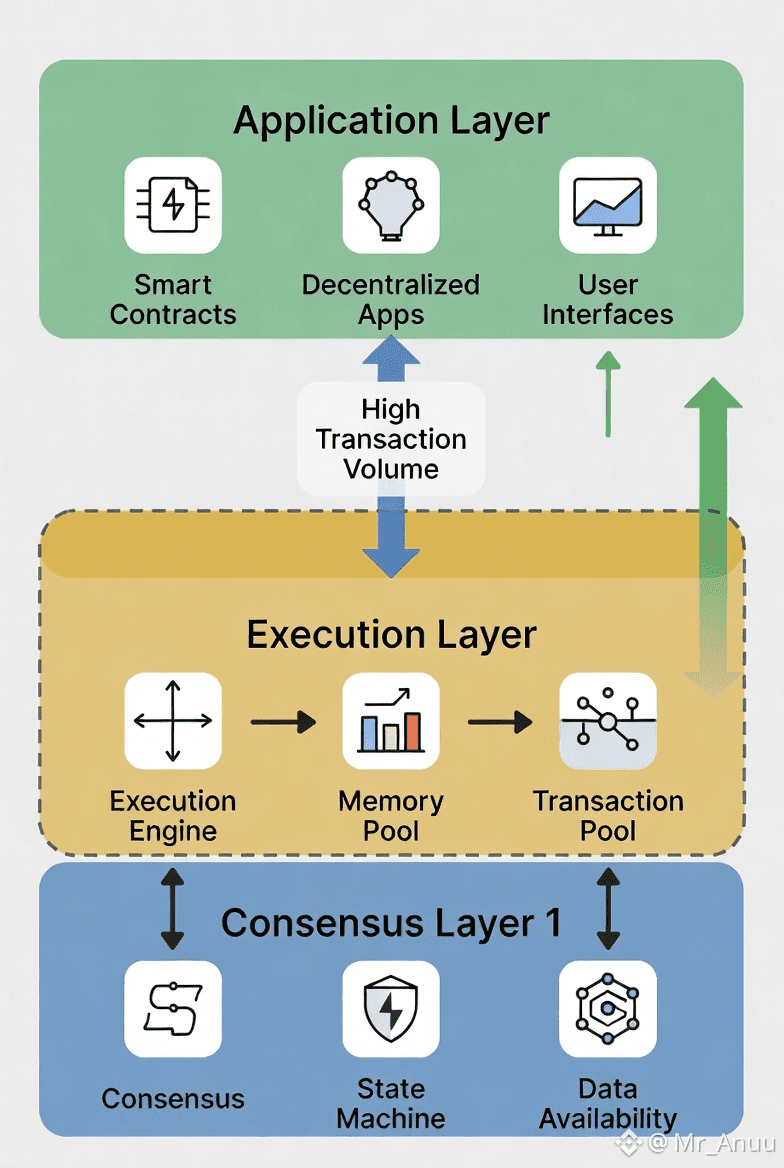
What makes $XPL especially relevant is its connection to real network activity. As decentralized applications scale—across payments, DeFi, gaming, and social platforms—the need for efficient execution grows. Plasma enables this environment, while $XPL functions as the economic coordination layer that aligns users, developers, and network participants. This creates a system where token relevance grows alongside adoption, reinforcing a utility-driven model rather than speculative dependence.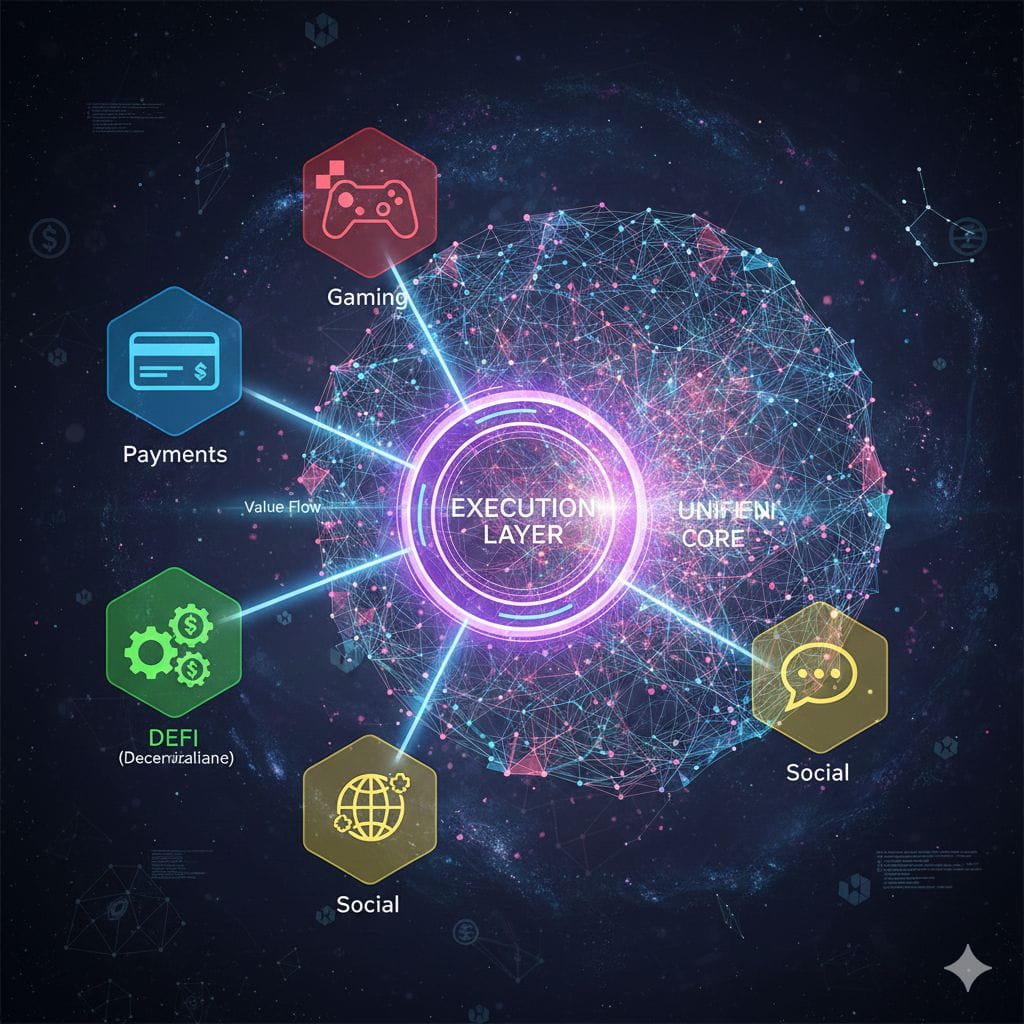
Another strength of Plasma lies in its modular and developer-friendly design. Builders are not constrained by rigid frameworks, allowing them to adapt applications as technology and user needs evolve. This flexibility is essential for long-term ecosystem growth. As more developers build and deploy on Plasma, network usage naturally expands, strengthening the underlying demand dynamics of $XPL through participation rather than promotion.
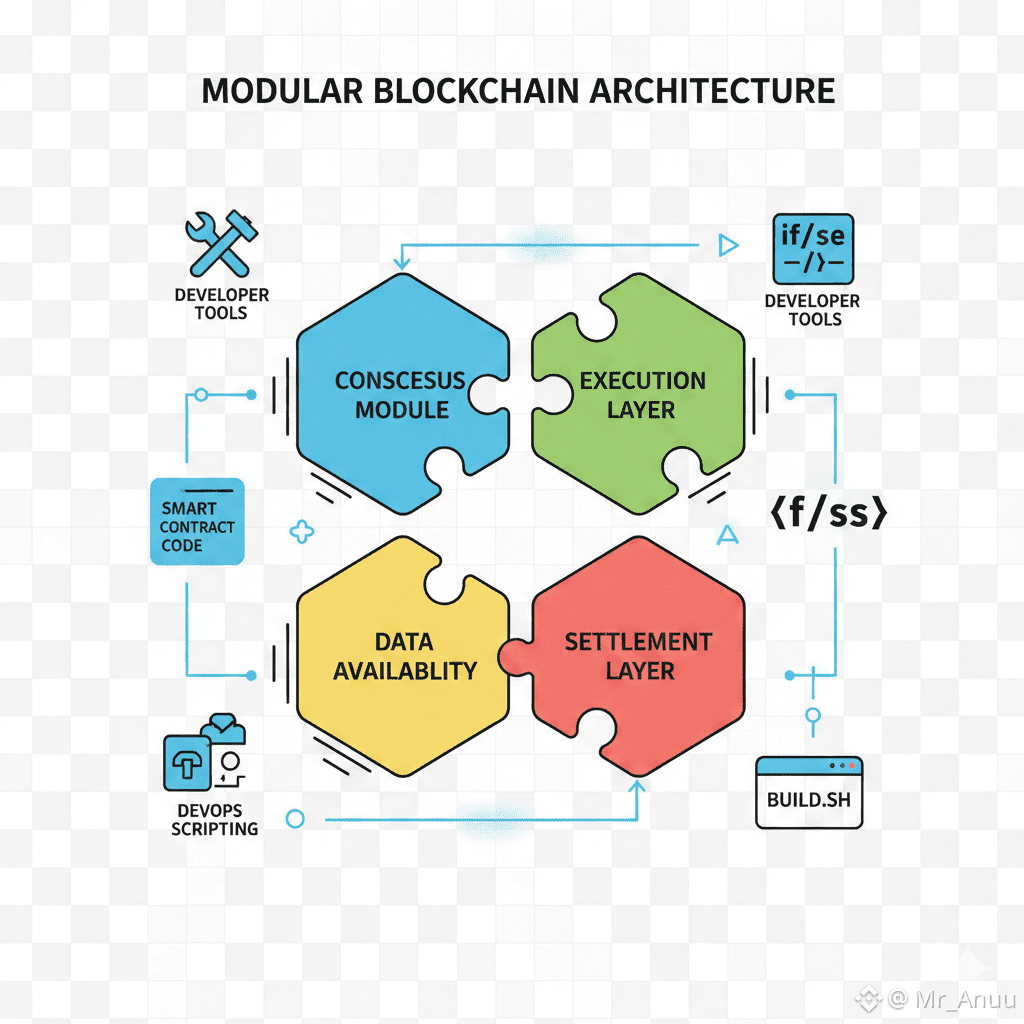
In a market crowded with tokens driven primarily by narratives, Plasma takes a disciplined, infrastructure-first path. Its focus on scalability, decentralization, and performance positions as a token supported by function and design clarity. This approach becomes increasingly valuable as the market matures and capital shifts toward systems capable of sustaining real-world demand.
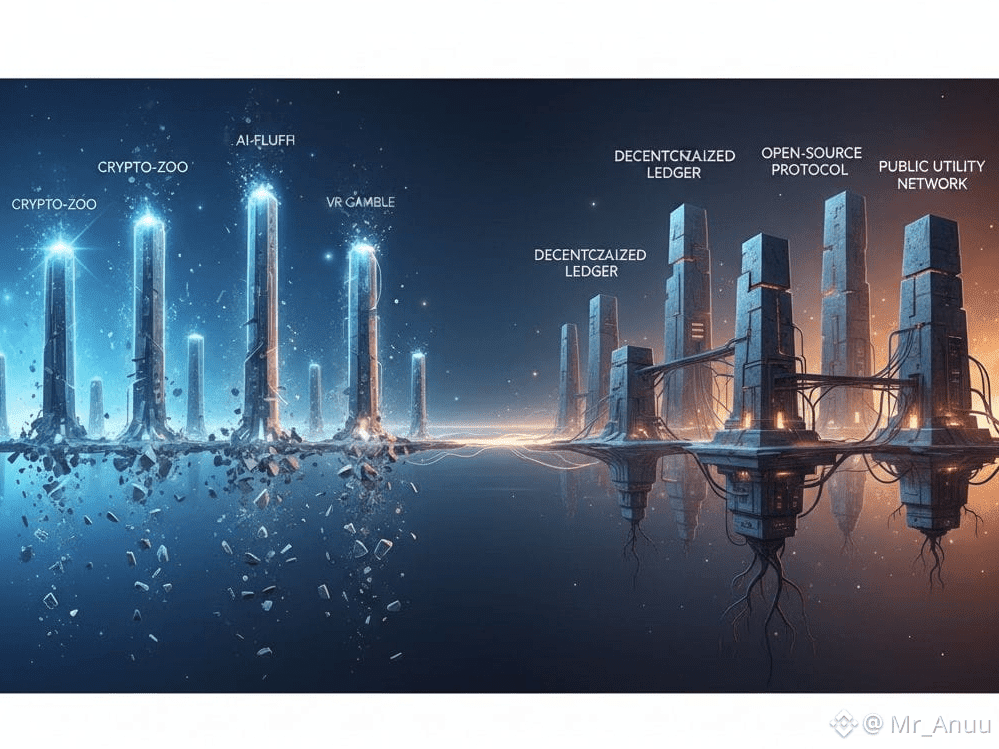
Looking ahead, mass blockchain adoption will depend on networks that operate seamlessly in the background—fast, affordable, and reliable. Plasma is building toward that reality, and sits at the center of this vision. Rather than reacting to trends, the ecosystem is being shaped for long-term relevance, where infrastructure quality defines success.