
For many years, blockchain defined itself by what it was not. Not centralized. Not permissioned. Not controlled by a single authority. That identity helped it grow, but it also created a blind spot. Being different does not automatically make something usable. As Web3 expands beyond early adopters, the question is no longer whether decentralized systems can exist, but whether they can fit naturally into how people already use digital products. This is where Vanar Chain finds its purpose.
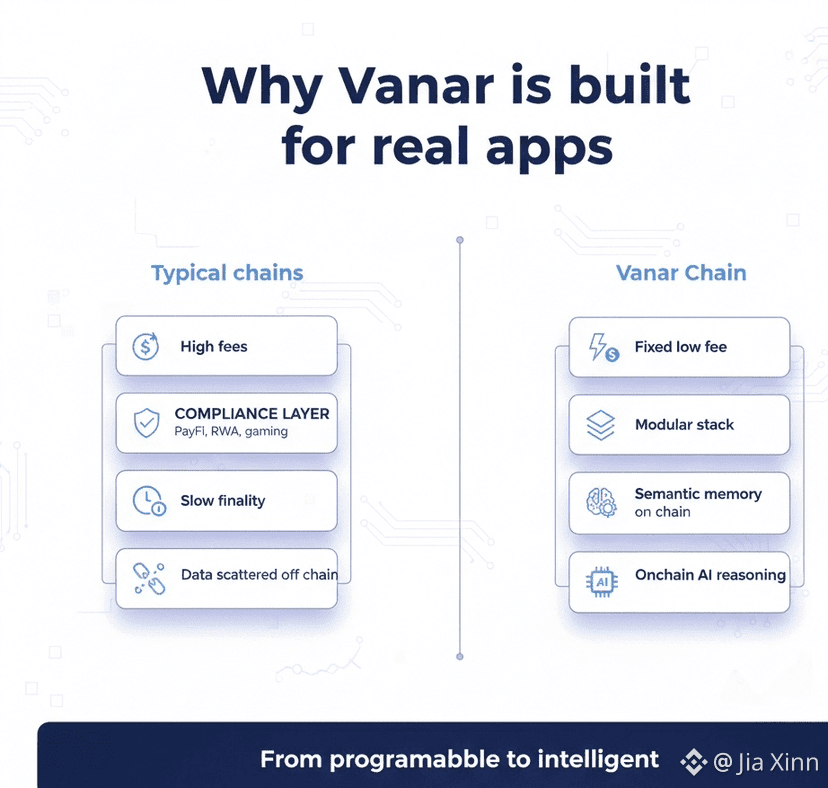
Vanar does not begin with finance as its primary focus. It begins with experience. Gaming, immersive media, and interactive digital environments are among the most demanding applications in existence. They require real-time responsiveness, consistent performance, and minimal friction. Traditional blockchains were not built with these constraints in mind. They were built for correctness, not immersion.
Vanar approaches blockchain from the opposite direction. Instead of asking creators and users to adapt to blockchain limitations, it asks how blockchain can adapt to real-world digital behavior. This change in perspective influences everything. Performance is prioritized not for benchmarks, but for flow. Scalability is pursued not for marketing claims, but for consistency.
I’m seeing Vanar treat blockchain as background infrastructure rather than a destination. Ownership, logic, and value transfer are handled quietly while applications take center stage. Users are not constantly reminded that they are interacting with a blockchain. This restraint is intentional. Mainstream users do not want to learn new abstractions just to enjoy digital experiences. They want systems that feel familiar.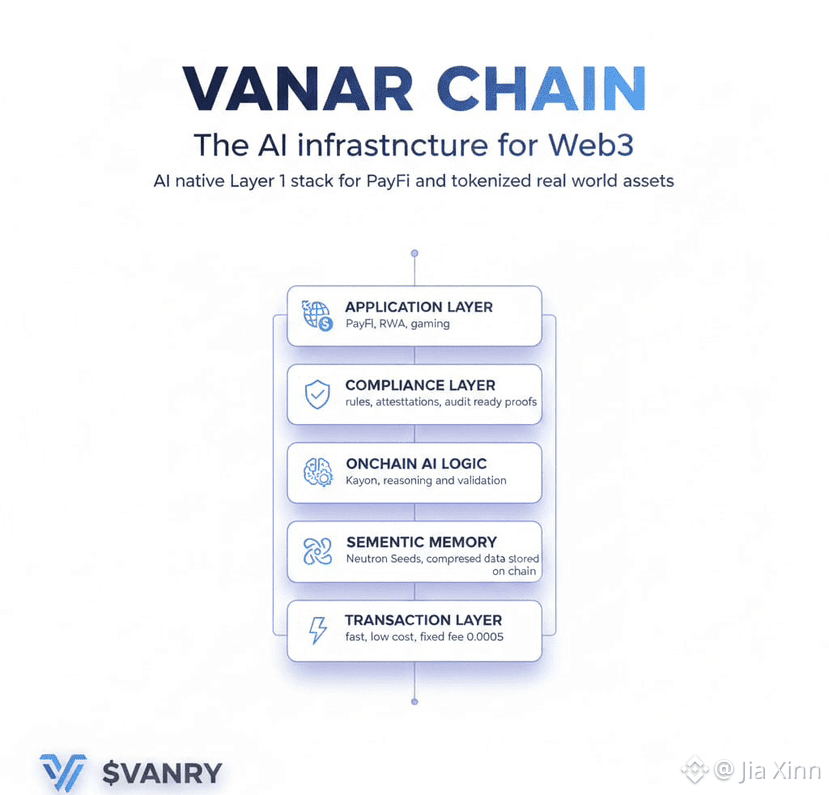
Creators are central to this vision. Many Web3 platforms claim to empower creators, but the reality is that building onchain remains complex and costly. Vanar’s focus on efficiency and usability suggests an attempt to lower that barrier. By providing infrastructure that supports high-performance applications, Vanar makes it more realistic for creators to build decentralized experiences without sacrificing user experience.
This becomes especially relevant as AI-driven content and interactive media grow. These systems generate dynamic experiences that change constantly. Supporting them requires infrastructure that can handle frequent updates and large data flows without breaking immersion. Vanar’s design choices suggest awareness of this future, where blockchain is only one layer in a much larger creative stack.
Another aspect that stands out is Vanar’s acceptance of specialization. Web3 spent years trying to build chains that could serve every possible use case. As the ecosystem matures, specialization becomes a strength rather than a weakness. Vanar focuses on experience-heavy applications where performance and usability matter more than generalized flexibility.
I’m seeing this specialization as a sign of maturity. Infrastructure becomes more reliable when it is designed with clear priorities. By focusing on gaming and media, Vanar avoids the trap of trying to be everything at once. It builds depth where it matters mo
There is also a cultural dimension to this approach. Games and digital worlds are not just software. They are social spaces where communities form and identities develop. Infrastructure supporting these spaces must be stable, predictable, and forgiving. Systems that break immersion or impose friction erode trust quickly. Vanar’s emphasis on reliability reflects an understanding of this emotional layer.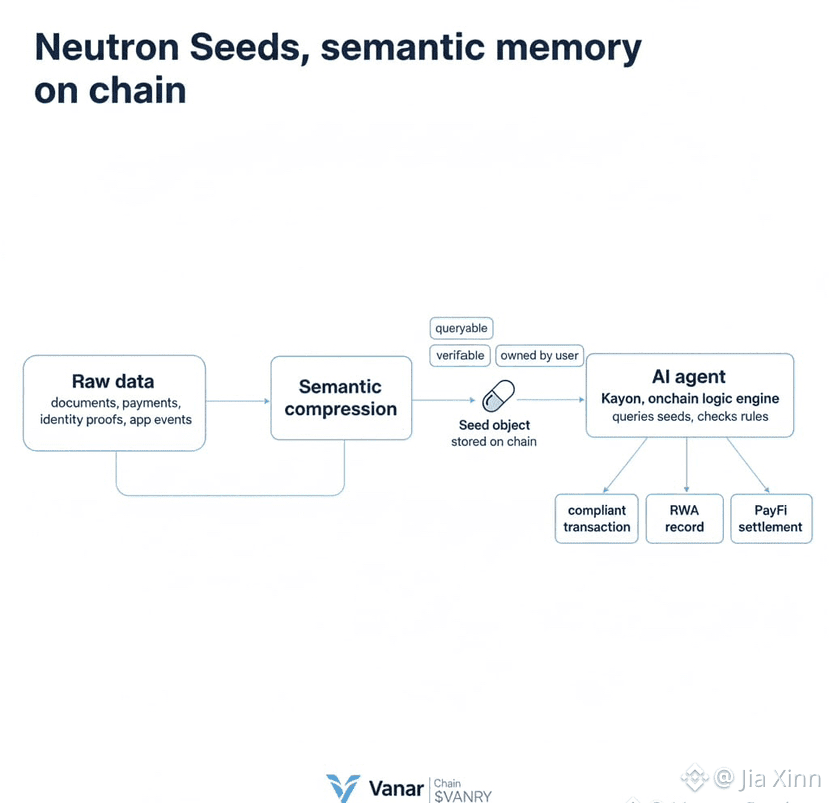
Vanar also positions itself as complementary rather than antagonistic to existing systems. Instead of framing Web2 platforms as enemies, it asks how blockchain can integrate into established workflows. This makes adoption more realistic for studios and developers who already operate at scale.
Looking ahead, Vanar’s success will not be measured by hype cycles or short-term attention. It will be measured by whether creators continue building, whether users stay engaged, and whether experiences feel better rather than worse because blockchain is involved. These are slow metrics, but they are durable ones.
As Web3 moves from experimentation to integration, infrastructure that respects usability will define the next phase. Vanar Chain represents an attempt to align blockchain with how people actually interact with digital worlds, rather than how technologists wish they would.
Sometimes progress is not about adding more features. Sometimes it is about making technology disappear into the experience.
Vanar is being built with that understanding.
