


In the rapidly evolving world of blockchain infrastructure, few networks are as laser-focused on real-world utility as Plasma (@PlasmaFDN). As a purpose-built Layer-1 blockchain optimized for global stablecoin payments especially USDT (USDT) Plasma delivers sub-second finality, 1,000+ TPS throughput, zero-fee simple USDT transfers, and full EVM compatibility. At the heart of this high-performance, censorship-resistant system lies the Validator Network, the decentralized backbone that secures the chain, processes transactions, and ensures reliable consensus.
What Validators Do on Plasma
Plasma operates on a Proof-of-Stake (PoS) consensus model, where validators play the critical role of providing core infrastructure services. By staking the native XPL token, validators earn the right to:
Participate in consensus via PlasmaBFT (a pipelined, high-throughput variant of Fast HotStuff).
Propose and sign blocks.
Validate and execute transactions.
Maintain the ledger's integrity and finality.
This setup enables Plasma to achieve fast, low-latency settlement tailored for stablecoin use cases like instant global payments, remittances, and high-volume financial apps. Validators help keep the network performant, secure, and resistant to censorship--essential for a chain designed to handle trillions in stablecoin flows.
Unlike general-purpose L1s, Plasma's architecture separates concerns for efficiency:
A small, performant validator set handles consensus and block production.
Non-validator nodes scale RPC access and read requests independently, allowing unlimited growth without bloating the core consensus layer.
Rewards and Incentives for Validators
Validators are rewarded for their essential contributions participating in consensus and signing blocks through a sustainable economic model powered by XPL:
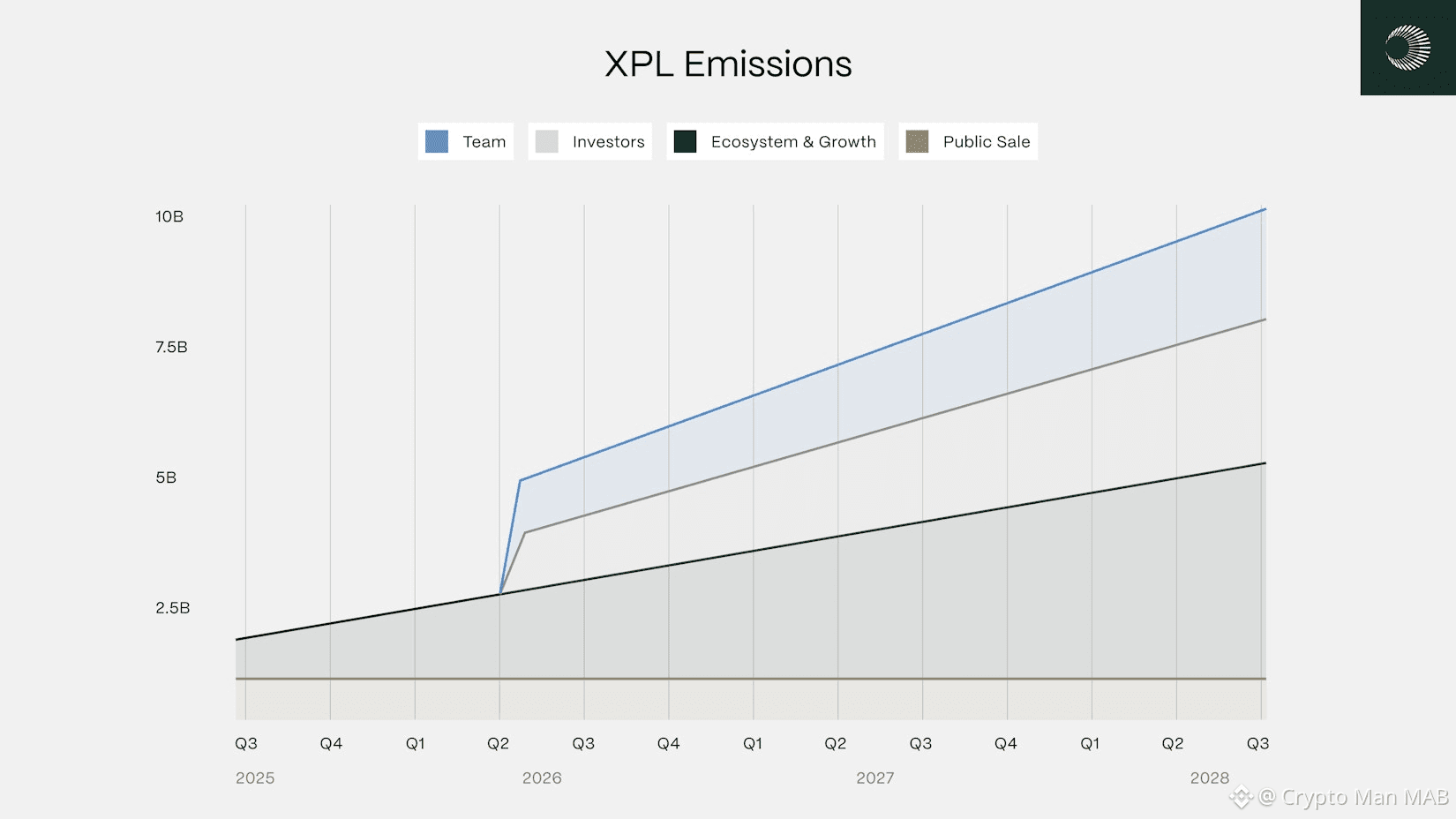
Inflation-based rewards start at ~5% annually, decreasing by 0.5% each year until stabilizing at a 3% long-term floor (inflation activates fully once external validators and delegation go live).
Fees from non-gasless transactions (everything except simple USDT transfers) are paid in XPL and distributed to validators.
EIP-1559-style burns offset supply growth as network activity ramps up, creating deflationary pressure over time.
Soft slashing (reward slashing, not stake slashing): Misbehaving validators lose eligibility for rewards but retain their staked principal--encouraging good behavior without excessive risk.
This balanced approach aligns incentives: validators are motivated to secure the network reliably, while the chain accrues value through real usage rather than speculative hype.
Progressive Decentralization Roadmap
Plasma follows a thoughtful, phased approach to validator access and decentralization:
Centralized/Trusted Launch At mainnet (and into early phases), a small set of known, trusted validators (initially operated by the Plasma team) secures the network for stability and rapid iteration.
Trusted Phase Gradual inclusion of additional vetted participants.
Open Phase Full open validator participation, enabling broad community involvement.
Future upgrades include staked delegation, allowing XPL holders to delegate their tokens to validators. This lets everyday token holders participate in consensus, earn a share of rewards, and contribute to security--without the need to run nodes or manage infrastructure themselves. Delegation democratizes staking rewards and further decentralizes the network over time.
Why the Validator Network Matters for Stablecoins
In a world where stablecoins power everyday finance from cross-border payments to DeFi primitives reliable infrastructure is non-negotiable. Plasma's validator network ensures:
High throughput and low latency for seamless stablecoin experiences.
Economic sustainability via XPL incentives that reward real security provision.
Predictable security through PoS, soft penalties, and a Bitcoin-anchored bridge for added robustness.
Scalability without compromise keeping consensus lean while enabling massive RPC and user growth.
As Plasma matures in 2026 with growing adoption, ecosystem projects, and progressive decentralization the Validator Network stands as the foundation enabling stablecoin-native innovation at global scale.
Whether you're a developer building payment apps, a stablecoin issuer seeking optimized rails, or an XPL holder eyeing staking opportunities, Plasma's validators deliver the secure, performant backbone needed for the next era of money movement.
Ready to stake, delegate, or run a validator when open phases arrive? What's your take on specialized L1s like Plasma for stablecoins? Share below!

