Trading in financial markets—especially highly volatile markets like cryptocurrency—offers significant opportunity, but it also comes with substantial risk. While many traders focus on finding the “perfect strategy,” most trading failures stem from repeated behavioral and structural mistakes rather than poor technical knowledge.
Below are the most common mistakes traders consistently make and why avoiding them is essential for long-term success.
1. Lack of Risk Management
Poor risk management is the leading cause of trading failure. Many traders risk too much capital on a single trade, use no stop-loss, or move their stop-loss emotionally once a position goes against them.
Successful traders prioritize capital preservation. Without proper risk control, even a strong strategy will eventually fail.

2. Overtrading
Overtrading occurs when traders enter positions excessively, often out of boredom, impatience, or fear of missing out. This leads to increased fees, emotional fatigue, and lower-quality trade setups.
Professional traders wait for high-probability opportunities rather than forcing trades.
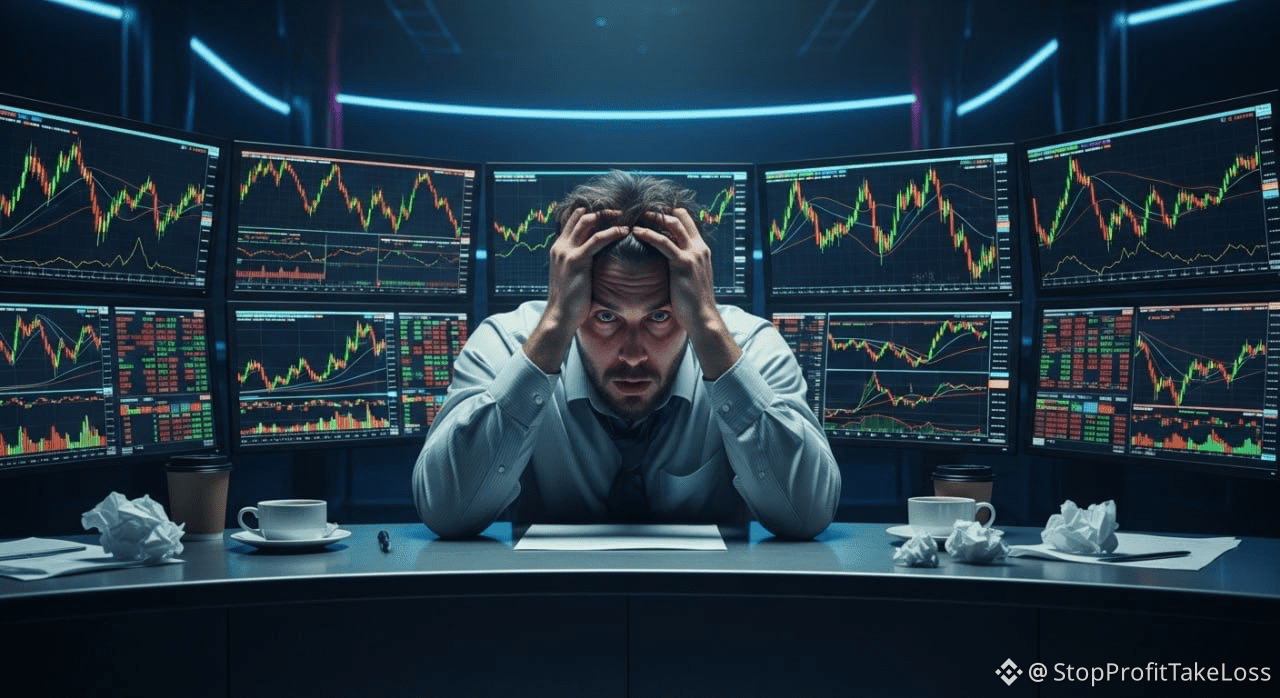
3. Emotional Decision-Making
Fear, greed, and frustration are among the most destructive forces in trading. Fear causes traders to exit winning positions too early, while greed prevents them from taking profit. Anger often leads to revenge trading, which compounds losses.
Consistent trading requires emotional discipline and objective decision-making.

4. Blindly Following Signals or Others
Relying on trading signals without understanding the rationale behind them turns trading into speculation rather than strategy. When losses occur, traders are left confused and unable to improve.
Every trade should be backed by personal analysis and a clear reason for entry, exit, and risk.

5. Trading Without a Plan
Many traders enter the market without a defined trading plan. This includes lacking rules for entries, exits, position sizing, and risk management.
A written trading plan provides structure, consistency, and accountability—key elements for long-term success.

6. Excessive Use of Leverage
High leverage amplifies both gains and losses. While leverage can be a useful tool, excessive leverage exposes traders to liquidation from small price movements.
Professional traders use leverage conservatively and focus on consistency rather than quick profits.

7. Ignoring Market Structure and Trend
Trading against the prevailing market trend or ignoring key support and resistance levels significantly reduces probability. Many traders attempt to predict reversals rather than react to confirmed market structure.
Understanding trend direction and market context is essential.

8. Refusing to Accept Losses
Losses are an unavoidable part of trading. Many traders hold losing positions in the hope that price will reverse, while quickly closing profitable trades.
Successful traders accept losses as part of the process and focus on maintaining favorable risk-to-reward ratios.

9. Failing to Review and Journal Trades
Without reviewing past trades, traders repeat the same mistakes. A trading journal helps identify strengths, weaknesses, and behavioral patterns that impact performance.
Progress in trading is driven by data, not memory.
10. Unrealistic Expectations
Many traders enter the market expecting rapid wealth, influenced by social media and unrealistic profit claims. This mindset leads to overconfidence, excessive risk-taking, and eventual losses.
Trading is a long-term skill that requires patience, discipline, and continuous learning.

Conclusion
Most traders fail not because of poor strategies, but because of poor discipline and risk control. Trading success is built on consistency, emotional control, and a process-oriented mindset—not shortcuts.
Those who focus on longevity rather than speed are the ones who survive and thrive in the markets.