
The promise of a digital space owned by its people was being walled off by the cost of memory itself.
This is why Walrus exists. It began not with a whitepaper, but with a simple, human question: What if we could remember without going bankrupt?
Walrus is a new foundation for how we keep things. It’s a decentralized protocol built on a simple truth: our shared memories—the art, the communities, the records of what we build and decide—should be lasting, affordable, and truly ours.
The Core Problem: Paying Rent on Your Memories
Blockchains are extraordinary ledgers, perfect for establishing trust and ownership. But they are terrible, expensive filing cabinets. Asking them to store everything is like using a bank vault to store a family photo album—the security is overkill, and the cost is absurd. This forced creators and developers into a corner. To build anything rich, anything human—a vibrant game world, a social network, a gallery of digital art—meant either crippling costs or fragile, centralized shortcuts that betrayed the original vision.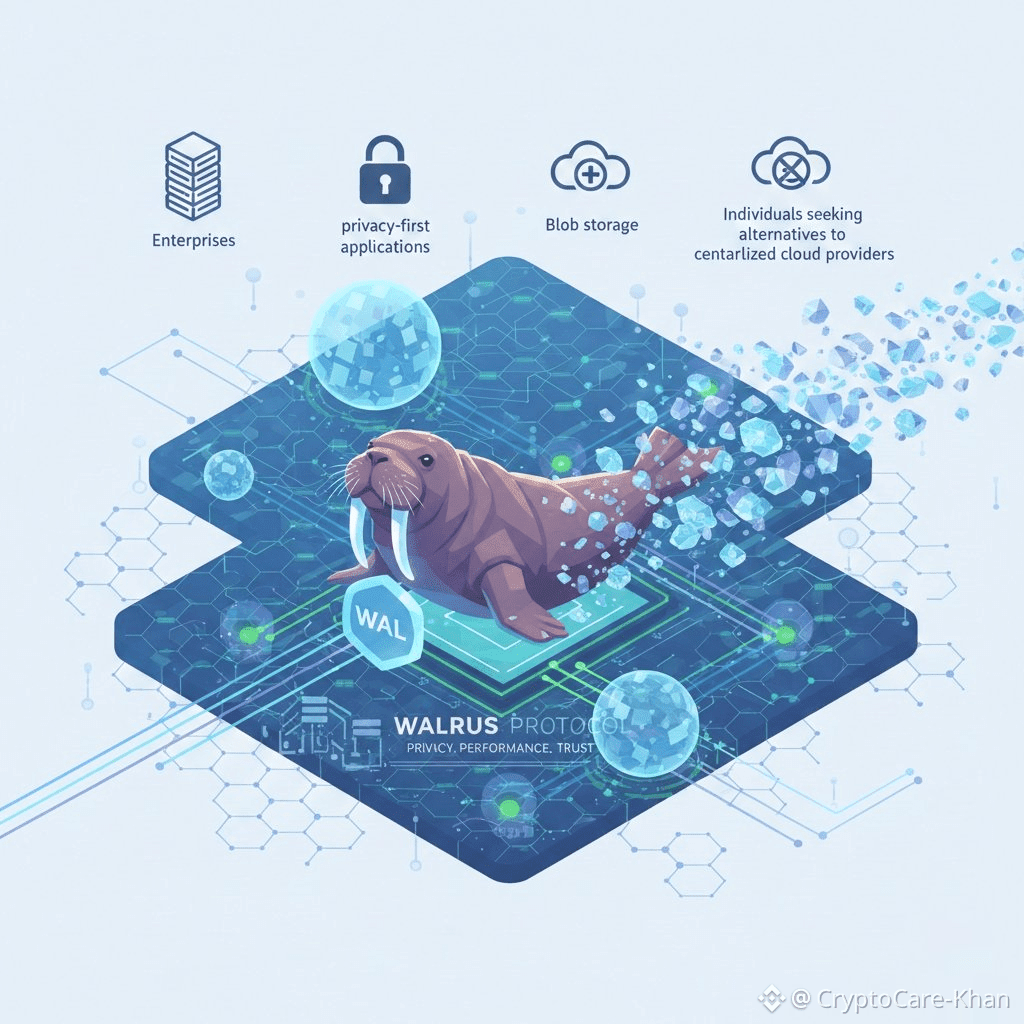
A Different Approach: Remembering Together
Walrus approaches the problem like a community. Instead of insisting every single participant must hold a complete copy of every single memory—which is slow and expensive—it uses clever mathematics (erasure coding) to split data into secure fragments. These fragments are then distributed across a global network of operators. No single person holds the complete picture, but the community always can reassemble it, perfectly and on demand. It’s secure, permanent, and verifiable, but it’s built for scale. It turns storage from a solitary burden into a collective strength.
The Human Shift: From Cost to Possibility
The real change isn’t technical—it’s economic and creative. When the cost of remembering plummets, what becomes possible?
· Artists and Storytellers can attach their high-resolution work permanently to their NFTs, without fear of it vanishing from a server one day. The art lives with the token, forever.
· Social Platforms can be built where your posts, your profile, your connections belong to you, stored on resilient infrastructure no single company controls.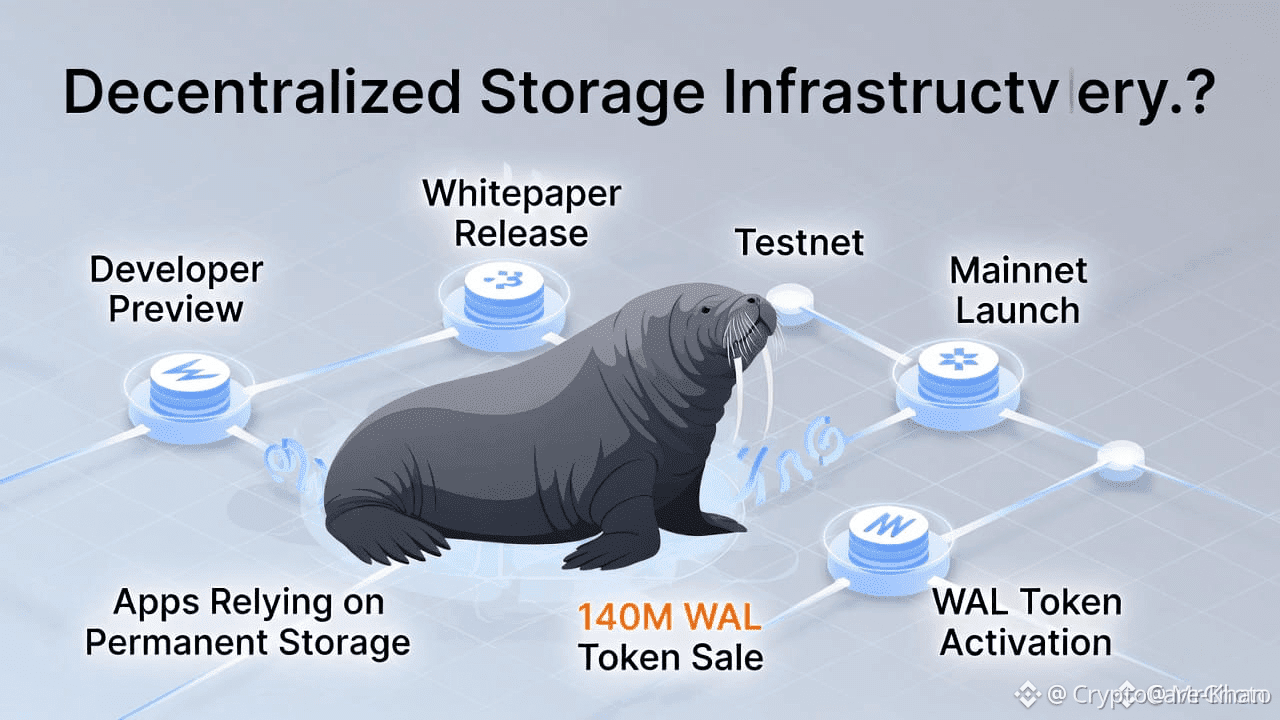
Performance for Real People
A cheap storage system that’s slow is a museum no one visits. Walrus is built for life, which demands speed. It retrieves data in parallel, pulling fragments from multiple places at once. For the person using an app, it feels instant—like the web they know, but with the ownership they deserve.
Programmable Memory: The Next Chapter
This is where the future opens up. Walrus isn’t just a static archive; it’s a programmable memory layer. The data stored here can be governed by the smart contracts that manage your community. It can be permissioned, composed, and even streamed. Imagine:
· A video platform where payment streams directly to creators as their content is watched, governed by code, not a corporate policy.
· A personal data vault you control, where you grant apps temporary access to specific files, on your terms.
· A public library of AI training data that is verifiably authentic and ethically sourced.
Built By and For the People Who Will Use It
Walrus isn’t emerging from a lab. It’s being built for—and with—the developers tired of compromise, the artists yearning for permanence, and the users who are done being products. Its community is united by a shared belief: the right to preserve our digital selves is fundamental.
This vision is bigger than storage. It’s about building the memory layer for a new internet.
Walrus is that foundation. It’s the quiet, sturdy ground beneath the flourishing garden of applications yet to be built.
This is Walrus.

