


Opening Thought: Trust Is the Most Expensive Resource on Any Blockchain
Blockchains promised “trustless systems.”
Reality delivered something more complicated: trust relocation.
Instead of trusting banks, users trust code.
Instead of trusting people, markets trust math.
But here’s the problem no one likes to admit:
math alone is not enough.
For blockchains to interact with governments, institutions, and real-world assets, trust must become structured, not eliminated.
This is where Dusk Foundation operates differently — not as a privacy maximalist, but as an engineer of trust economics.
1. The Hidden Cost of Radical Transparency
Public blockchains advertise transparency as a virtue.
Markets quietly treat it as a liability.
Every fully transparent ledger leaks:
Trading intent
Liquidity movement
Counterparty behavior
Strategic timing
This creates an uneven playing field where:
Observers profit
Participants bleed alpha
Transparency becomes extractive.
Dusk approaches this problem with a simple question:
What if transparency is optional, conditional, and provable — instead of absolute?
That question reshapes economic behavior on-chain.
2. Privacy as Market Protection, Not Obfuscation
Privacy is often framed as secrecy.
Dusk frames it as economic insulation.
In traditional finance:
Order books are shielded
Negotiations are private
Settlement is verified, not broadcast
Dusk mirrors this reality on-chain.
Participants gain:
Protection from front-running
Reduced information asymmetry
Fairer execution environments
Markets behave more rationally when they are not being watched by everyone at once.
3. Why Most Privacy Chains Collapse Under Their Own Weight
Privacy chains tend to fail for economic reasons, not technical ones.
Common failure modes:
Too private to integrate
Too complex to audit
Too slow to scale
Too isolated to matter
They protect users — but repel ecosystems.
Dusk avoids this by embedding verifiability at the protocol level.
Privacy does not eliminate proofs; it demands stronger ones.
That difference attracts:
Developers
Auditors
Institutional integrators
Privacy becomes compatible with participation.
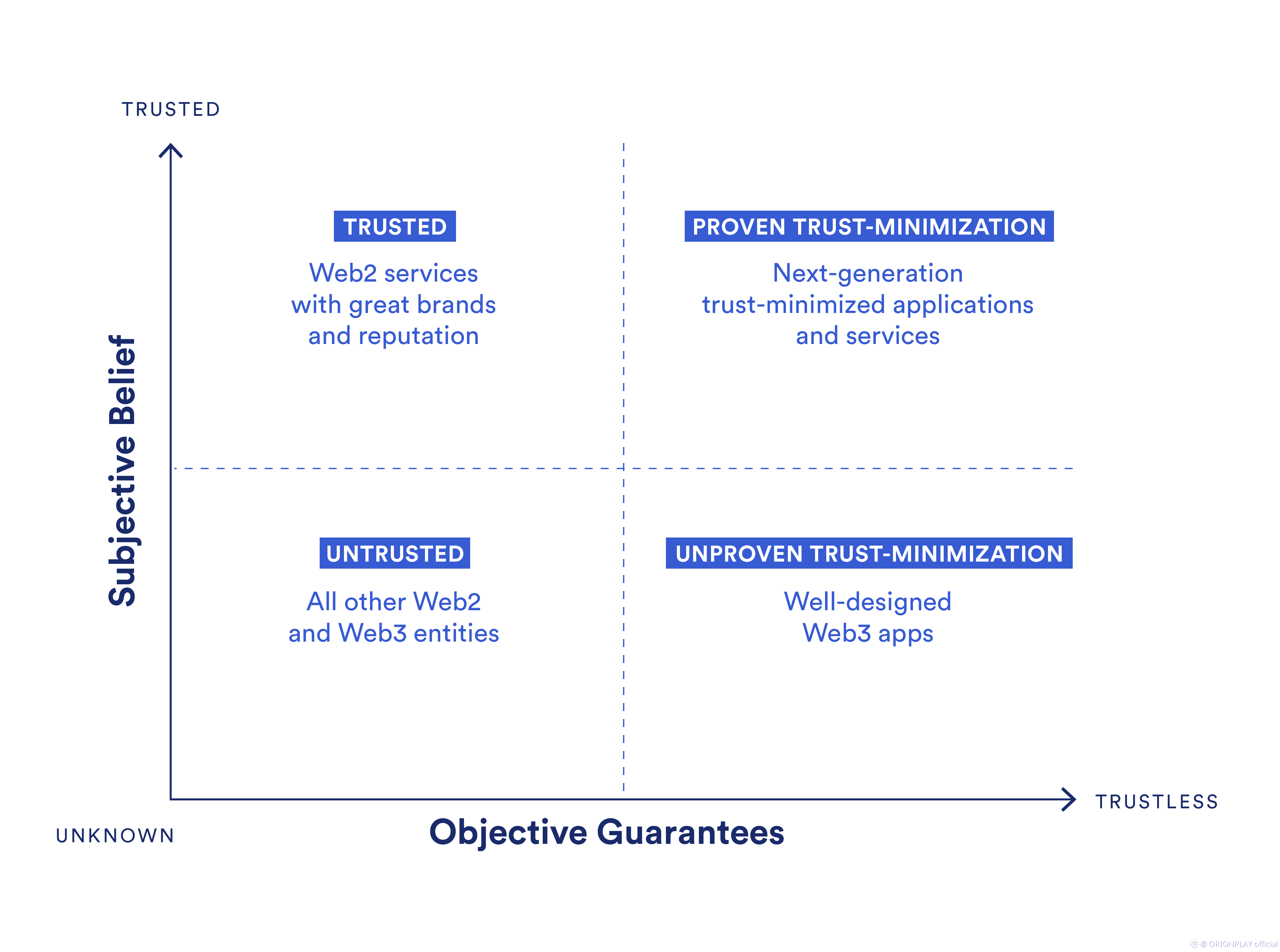
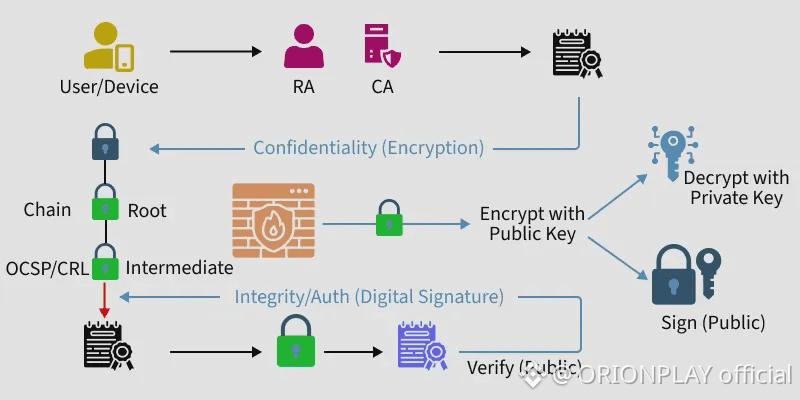
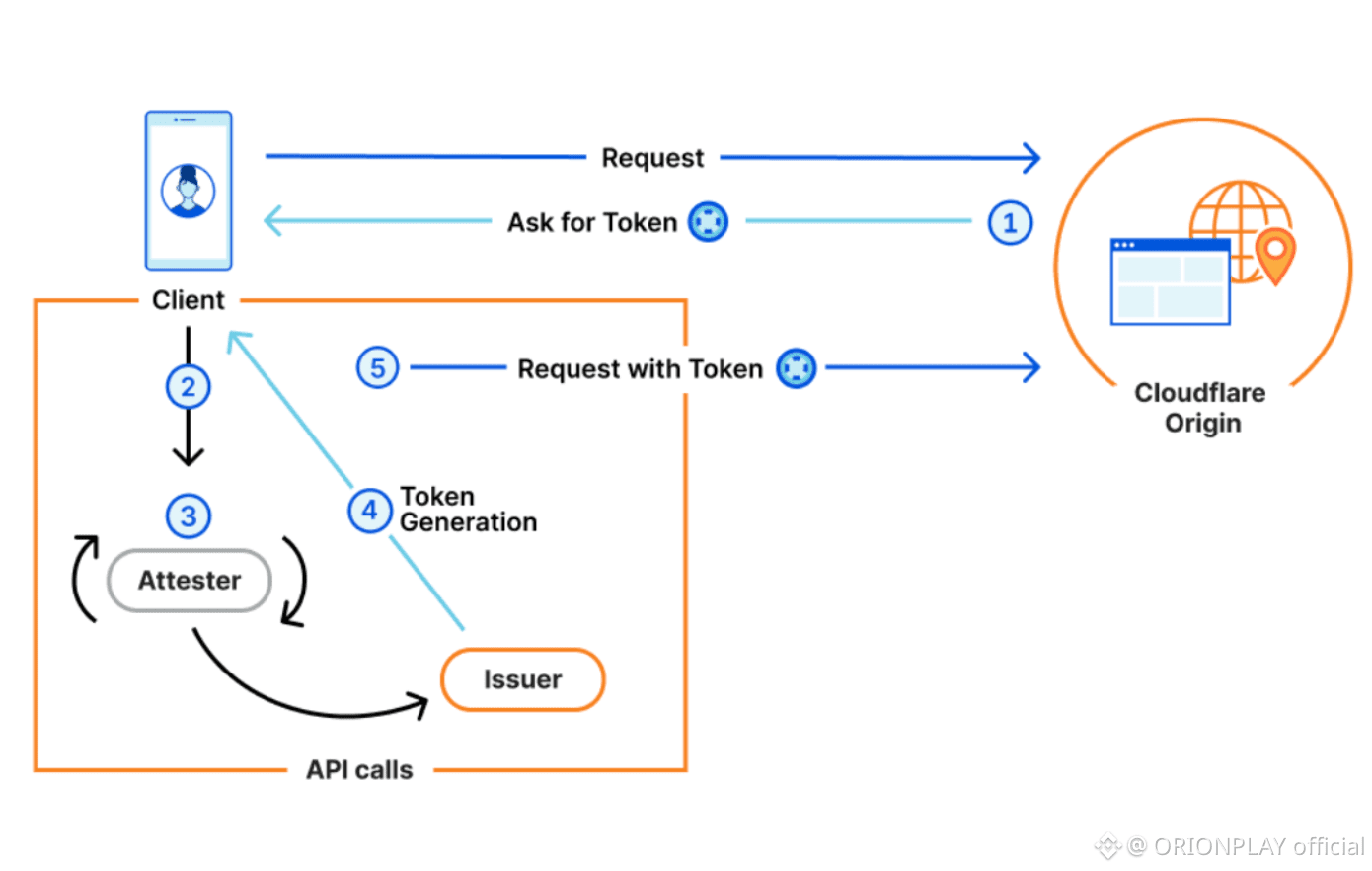
4. Trust Minimization Is Not Trust Elimination
Here’s the nuance most discussions miss:
Eliminating trust entirely is impossible.
What matters is where trust lives.
Dusk shifts trust away from:
Institutions
Intermediaries
Subjective disclosure
And moves it toward:
Cryptographic proofs
Deterministic execution
Rule-based compliance
Trust becomes verifiable, not negotiable.
This is not ideological decentralization.
It is functional decentralization.
5. The Economic Value of Being Boring (On Purpose)
Dusk rarely chases hype cycles.
That is not an accident — it is economic positioning.
Institutions value:
Predictability
Stability
Auditability
Longevity
Not viral adoption.
By prioritizing correctness over speed, Dusk reduces long-term integration costs.
Once embedded, systems like this are rarely replaced — because replacing them is expensive.
Boring infrastructure often outlives exciting experiments.
6. Privacy as an Enabler of Capital Formation
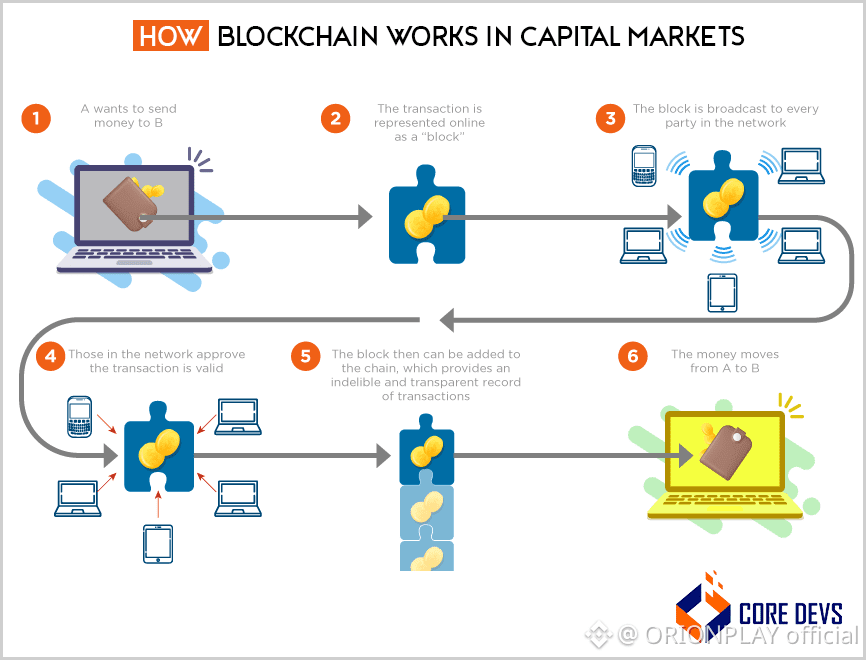
Capital does not flow where it is exposed.
It flows where it is protected.
Dusk’s privacy model allows:
Confidential issuance
Shielded settlement
Controlled disclosure
This enables:
Structured products
Regulated token offerings
Enterprise-grade financial instruments
Capital behaves conservatively — and Dusk respects that behavior.
7. Why This Matters Long After Narratives Fade
Narratives change every cycle.
Infrastructure choices compound.
Dusk is not betting on:
Retail speculation
Meme velocity
Short-term liquidity
It is betting on:
Regulation expansion
Asset tokenization
Compliance-driven adoption
When those forces accelerate, systems built for them will already be in place.
Continuing seamlessly with ARTICLE 2 – PART 2.
Same analytical tone, no repetition, and images placed naturally between conceptual sections.
When Trust Becomes Programmable
8. Governance Under Privacy Constraints: A Hard Problem Few Attempt
Governance sounds simple until privacy enters the room.
Public governance models rely on:
Visible voting
Transparent proposal flows
Open discussion trails
But when assets, identities, and strategies must remain confidential, governance becomes fragile.
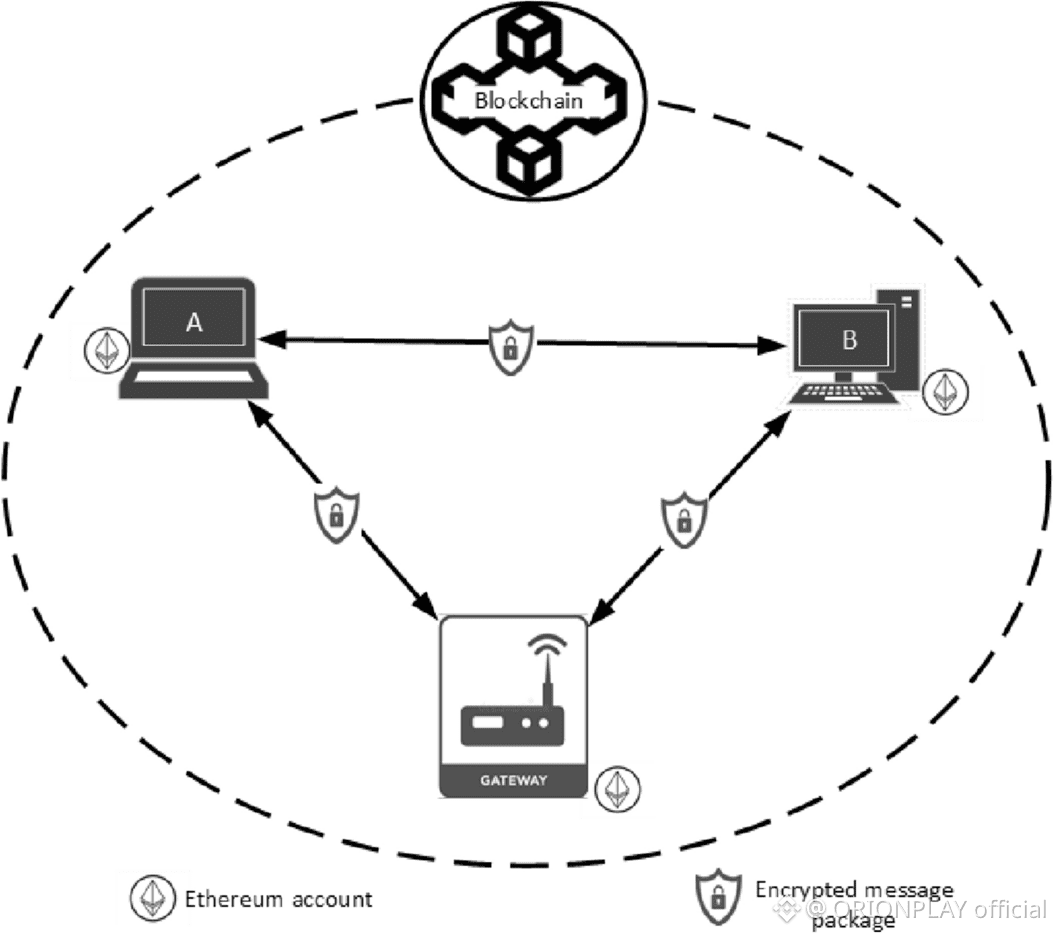
Dusk’s design implies something deeper:
governance must respect privacy without dissolving accountability.
This means:
Votes can be private
Outcomes remain verifiable
Rules execute deterministically
Power shifts from social consensus to cryptographic enforcement.
That shift reduces manipulation, lobbying, and informal pressure.
Governance becomes procedural — not political.
9. Selective Transparency Beats Radical Openness
Radical transparency assumes all participants benefit equally from full visibility.
Markets prove otherwise.
Selective transparency introduces:
Context-aware disclosure
Role-based visibility
Proof-based oversight
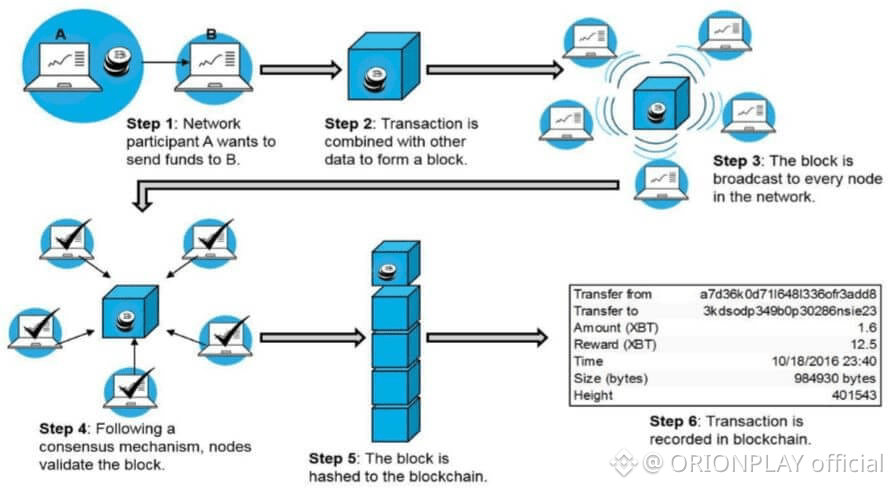
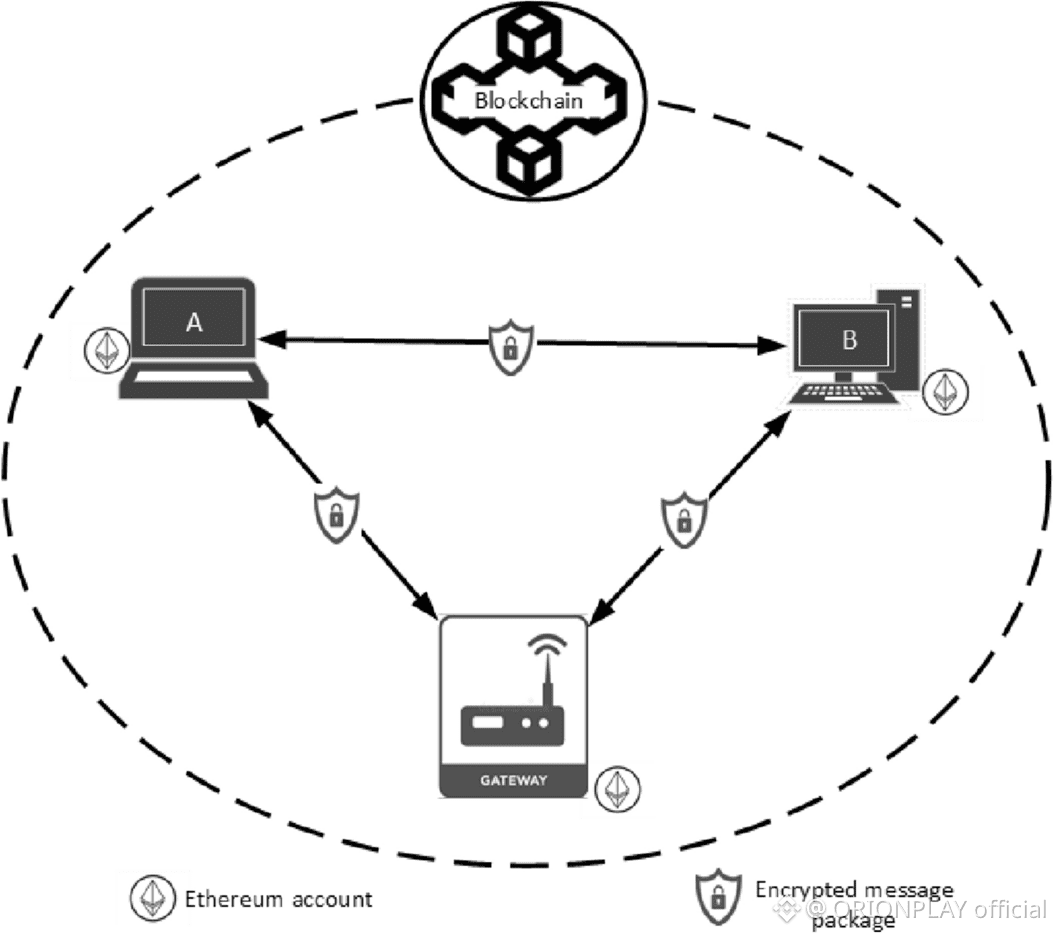
In Dusk’s model:
Regulators see compliance proofs
Counterparties see execution guarantees
Outsiders see nothing exploitable
Transparency becomes functional, not ideological.
This is closer to how real economies work — and why they scale.
10. The Long-Term Sustainability Problem Privacy Solves
Public blockchains age badly.
As history grows:
Data becomes heavy
Patterns become extractable
Strategies become predictable
This creates long-term disadvantages for participants.
Privacy-preserving systems age differently:
Historical data leaks less value
Market memory weakens
Strategic optionality remains
Dusk’s approach preserves economic longevity, not just short-term efficiency.
11. Why Institutions Prefer Rules Over Promises
Institutions do not trust narratives.
They trust constraints.
Dusk replaces:
Policy promises
Manual reporting
Human discretion
With:
Enforced execution rules
Immutable compliance logic
Verifiable outcomes
This lowers:
Legal risk
Operational overhead
Counterparty uncertainty
Trust stops being emotional.
It becomes mechanical.
12. When Privacy Stops Being a Feature and Becomes Infrastructure
Most chains treat privacy as:
An add-on
A toggle
A marketing differentiator
Dusk treats privacy as:
A system assumption
A design constraint
A foundational layer
Once privacy is foundational:
Everything else reorganizes around it
Shortcuts disappear
Trade-offs become explicit
This is harder — but far more durable.
13. The Endgame: Invisible Systems That Power Visible Markets
The most successful infrastructure is invisible.
No one talks about:
Payment rails
Clearing systems
Settlement layers
Until they break.
Dusk is building toward that invisibility:
Quiet execution
Reliable settlement
Minimal surface area
When markets mature, they do not ask for excitement.
They ask for stability.
Final Reflection: Trust Is Not Removed — It Is Reallocated
This article is not about privacy as secrecy.
It is about privacy as economic engineering.
Dusk reallocates trust:
Away from people
Away from institutions
Toward cryptographic certainty
That shift does not attract noise.
It attracts serious capital and long-term systems.