


Prologue: Loud Systems Break First
Early blockchains were built to be seen.
Every transaction public.
Every action traceable.
Every mistake permanent and visible.
This visibility created trust — but also fragility.
As blockchains move closer to real economies, something unexpected happens:
the most valuable systems stop announcing themselves.
This is where Dusk Foundation positions itself — not as a spectacle, but as quiet infrastructure designed to survive scrutiny, regulation, and time.
1. Why Visibility Becomes a Liability at Scale
Transparency is powerful at small scale.
At large scale, it becomes dangerous.
When every action is visible:
Strategies leak
Behavior is predictable
Systems invite exploitation
Markets adapt faster than protocols.
Dusk recognizes a simple truth:
What is visible can be optimized against.
Privacy is not secrecy here — it is defensive architecture.
2. Silent Execution: Doing More by Revealing Less
Dusk’s design philosophy favors:
Minimal data exposure
Proof-based correctness
Deterministic outcomes
Execution happens without:
Broadcasting internal logic
Exposing participant behavior
Advertising economic intent
This creates systems that function reliably without narrating themselves.
Silence becomes efficiency.
3. Why Complex Systems Must Become Quiet to Survive
As systems grow:
Surface area increases
Attack vectors multiply
Human error compounds
Noise accelerates failure.
Dusk reduces noise by:
Eliminating unnecessary disclosure
Enforcing rules cryptographically
Letting proofs speak instead of data
Complexity stays internal.
Interfaces remain simple.
This is how long-lived systems are built.
4. The Difference Between Privacy and Invisibility
Privacy hides data.
Invisibility hides intent.
Dusk does not aim to make activity unknowable — it makes it non-exploitable.
Observers may know:
Something happened
Rules were followed
Outcomes are valid
They cannot know:
Why
How
With whom
That distinction matters more than total secrecy.
5. Why Institutions Prefer Quiet Systems
Institutions operate under constraints:
Legal exposure
Reputation risk
Strategic confidentiality
They do not want:
Public experimentation
Uncontrolled transparency
Narrative volatility
Dusk offers:
Predictable execution
Controlled disclosure
Reduced informational leakage
Trust forms not through hype, but through consistency.
6. Silent Systems Scale Better Than Loud Ones
Loud systems demand attention.
Silent systems demand reliability.
Dusk scales by:
Reducing coordination overhead
Minimizing observable friction
Preventing adversarial learning
As adoption grows, exposure does not.
This asymmetry is rare — and valuable.

7. The Strategic Advantage No Dashboard Shows
Metrics track:
Transactions
Volume
Addresses
They do not track:
Strategies protected
Risks avoided
Exploits prevented
Dusk’s advantages often do not appear on dashboards.
They appear in:
Stability under stress
Resistance to manipulation
Longevity under regulation
Silent systems reveal their value only over time.
Why the Quietest Systems Outlast the Loudest Ones
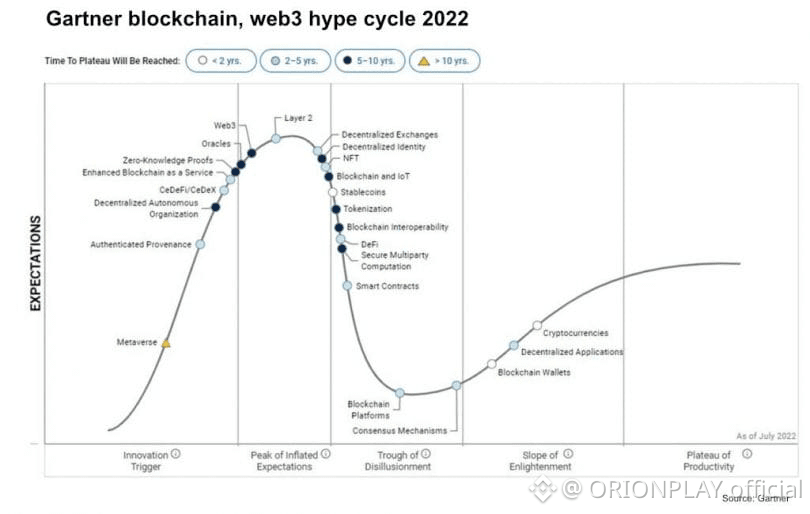
8. Loud Innovation Ages Fast
Innovation that depends on attention has a short lifespan.
Loud systems:
Compete for narrative dominance
React to market sentiment
Optimize for visibility
Over time, they accumulate fragility.
Every exposed mechanism becomes:
A target
A signal
A weakness
Dusk avoids this trap by designing for function before narrative.
When systems do not need to explain themselves constantly, they age more gracefully.
9. Regulation Rewards Quiet Compliance
Regulation does not chase innovation.
It evaluates risk.
Systems that:
Overshare data
Rely on discretionary reporting
Expose participant behavior
Invite scrutiny and intervention.
Dusk’s privacy-first architecture reduces regulatory friction by:
Offering cryptographic compliance
Limiting unnecessary exposure
Making correctness provable without disclosure
This turns regulation from an adversary into a constraint already accounted for.
Quiet systems do not attract attention — they pass inspections.
10. Why Silence Enables Composability, Not Isolation
A common myth suggests privacy systems isolate themselves.
In reality, poorly designed privacy isolates.
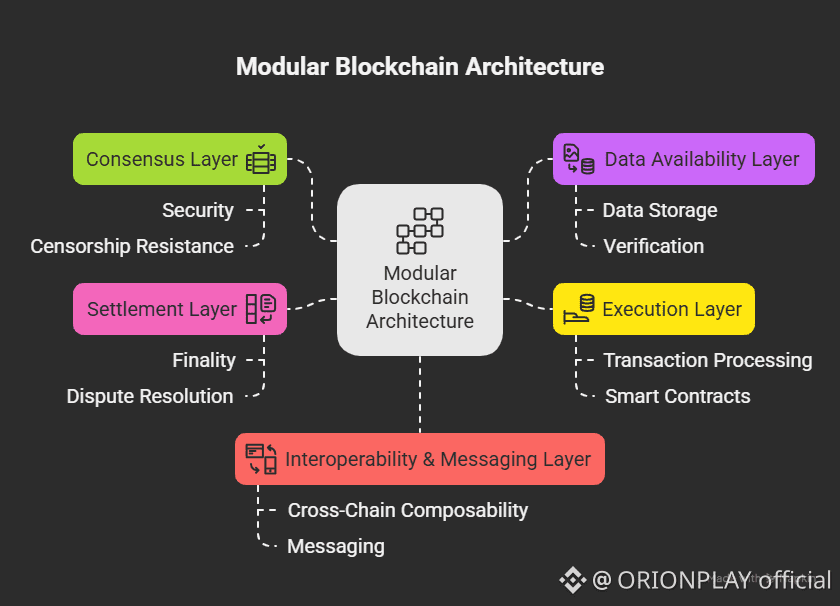
Dusk’s approach enables:
Composable execution
Interoperable proofs
Predictable settlement
Other systems do not need to see internal data — only validity guarantees.
This allows Dusk-based components to integrate quietly into broader ecosystems without demanding trust or attention.
11. When Markets Mature, Noise Becomes a Risk
Early markets tolerate noise.
Mature markets eliminate it.
As capital increases:
Risk tolerance drops
Compliance tightens
Predictability dominates
Dusk aligns with mature market behavior:
Less experimentation
More execution
Fewer surprises
Silence becomes a sign of readiness, not absence.
12. The Hidden Strength of Minimal Surface Area
Every exposed detail increases attack surface.
Dusk minimizes surface area by:
Limiting observable state
Enforcing rules internally
Avoiding unnecessary data publication
This reduces:
Adversarial learning
Exploit discovery
Behavioral inference
Security improves not by adding defenses — but by removing exposure.
13. Why the Future Belongs to Invisible Infrastructure
The most important systems in the world share a trait:
Payment rails
Clearing houses
Settlement layers
They are invisible — until they fail.
Dusk is positioning itself as:
A privacy-native settlement layer
A compliance-aware execution environment
A silent backbone for regulated digital assets
Visibility is optional.
Reliability is mandatory.
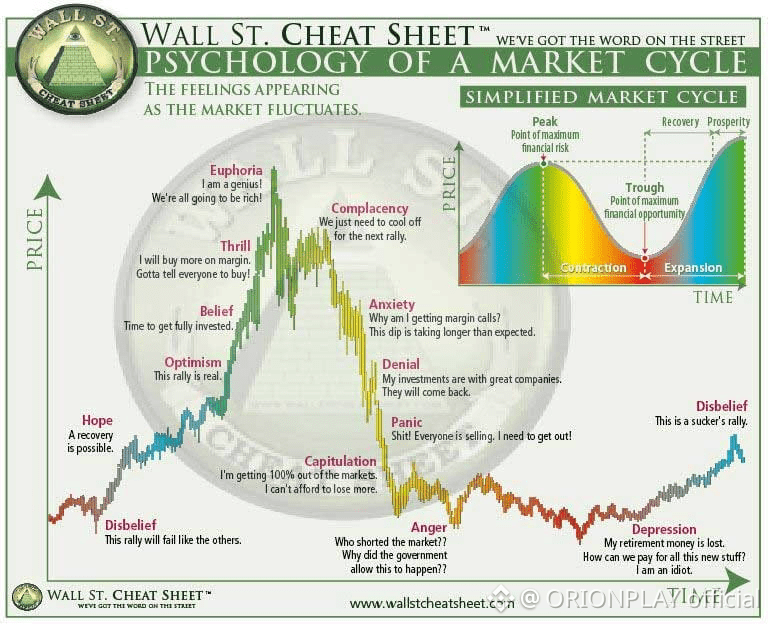
14. The Long Game: Surviving Cycles, Not Winning Them
Market cycles reward different behaviors:
Bull markets reward speed
Bear markets reward discipline
Long-term systems must survive both.
Dusk’s design choices:
Reduce dependency on hype
Limit narrative volatility
Favor structural relevance
Survival becomes strategy.
Final Reflection: Silence Is Not Absence — It Is Control
This article is not an argument for secrecy.
It is an argument for intentional quiet.
Dusk Foundation does not attempt to dominate conversation.
It attempts to outlast it.
In a future where:
Regulation increases
Capital consolidates
Infrastructure matures
The systems that endure will not be the loudest.
They will be the ones that work — quietly, consistently, and correctly.