


Walrus is a new project that is building a strong decentralized way to store data for the Web3 era. Many blockchain projects focus on payments and smart contracts but they often forget about storing real data like images videos files and application content. Walrus wants to fix this problem by giving developers and users a secure reliable and scalable place to keep their data without relying on big centralized cloud services.
Centralized cloud systems like the ones we use today can be easy and fast but they also come with problems. They can go down when there are outages they can block or censor content and they can be risky if hackers break in. In the world of Web3 where people want true decentralization these weaknesses become more serious. Walrus is designed to remove these problems by spreading data across many different nodes around the world.
With Walrus when you store large files NFTs and even application information the data is broken up and held in pieces across many machines. This means there is no single point of failure and if one node goes down the rest can still deliver your data. This gives higher availability and better resistance to censorship and attacks. This is a big step for apps that need to keep their files safe and always reachable.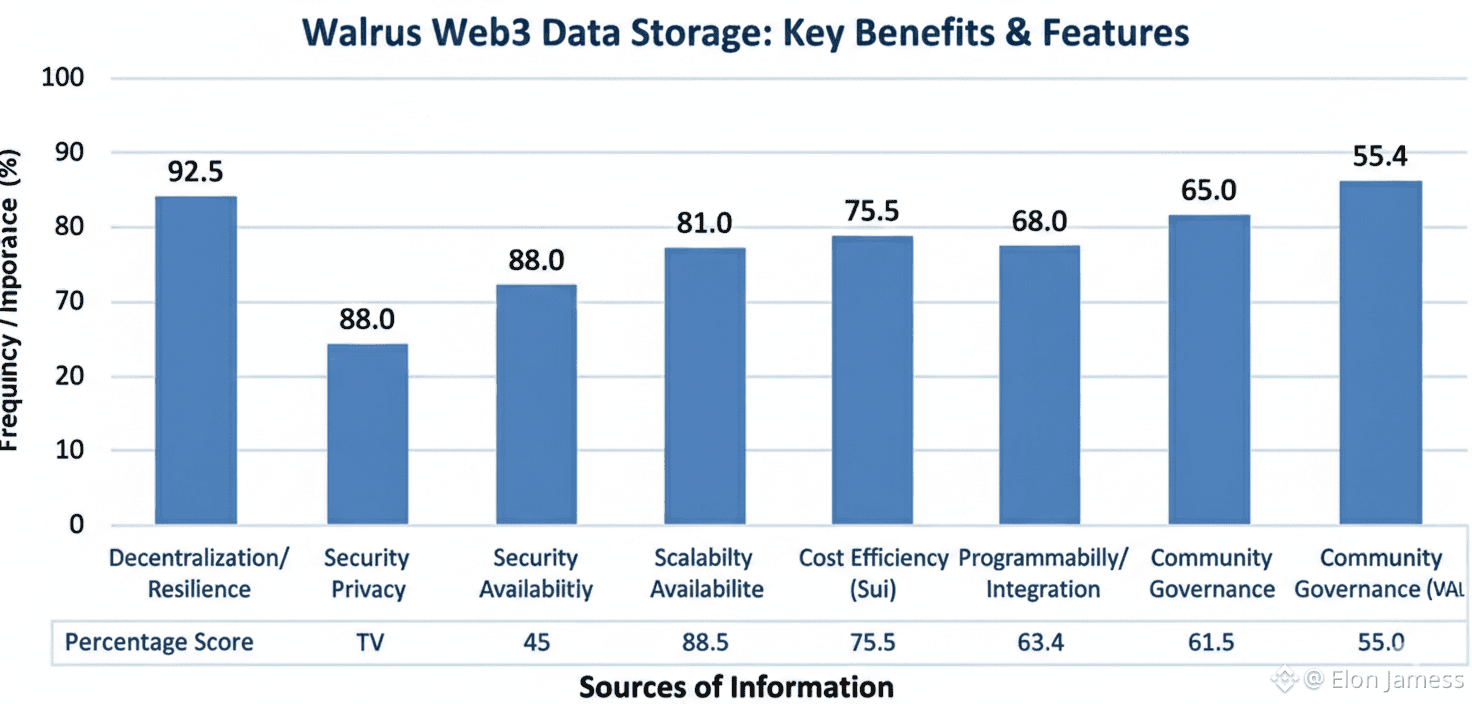
Walrus also works closely with the Sui blockchain which helps it be fast and cost efficient. Sui gives the network high speed execution and low costs for running transactions and smart contracts. Together this makes it possible to run data heavy applications without the bottlenecks and expensive fees that often come with decentralized storage. This combination of blockchain performance and secure storage makes Walrus a strong foundation for the next generation of decentralized applications.
The heart of the Walrus system is the WAL token. This token is used in many parts of the network. Developers and users pay for storage using WAL tokens. Node operators who provide space and support to store data are rewarded in WAL. The token model also lets holders take part in decisions about how the network grows and changes. By making every participant have a stake in the system Walrus tries to create long term reliability and shared responsibility.
One key part of Walrus is its focus on privacy and programmability. Developers can build applications where sensitive data stays safe and access can be governed by custom rules. This means businesses and builders can use Walrus for real world needs where data must be secure but also flexible. This is especially important for companies that want to use decentralization but still need to protect private information.
As Web3 grows and more people build new apps and experiences the need for reliable scalable storage will only increase. Walrus is trying to meet this demand by offering a system that can handle large files and keep data secure without forcing developers to depend on centralized providers. This makes it a practical choice for projects like games social platforms AI systems and NFT marketplaces that all need data solutions that work with decentralized ideals.
Walrus spreads data using a special method that divides files into many slivers. These pieces are stored across different independent storage providers. This design increases resilience because even if many providers fail the data can be rebuilt from the remaining pieces. It also keeps storage costs lower and makes the system more efficient than if it tried to copy full files many times.
Because Walrus uses Sui it benefits from a fast blockchain that can confirm actions quickly and cheaply. This matters because storage systems often need to update metadata confirm payments and track who holds what. The efficiency of Sui lets Walrus manage these tasks without slowing down or costing too much in fees.
The WAL token is what makes all of this work together. It is used to pay for storage and reward those who run nodes. WAL holders can also stake their tokens and join in governance. This gives the community a voice in the future of the project. The token based structure pushes everyone from builders to storage providers to work together to make the network strong and dependable.
Walrus also makes sure that developers can build real applications on top of its storage layer. They can create tools that connect with smart contracts and let storage interact directly with apps. This programmability means Walrus is not just a place to store files but a platform that apps can use to unlock new features and experiences.
In the bigger picture centralized storage has been a barrier to fully decentralized systems. With Walrus developers do not have to choose between decentralized logic and centralized data. They can have both. When services do not depend on central servers they can resist censorship provide better uptime and give users back control of their data.
Walrus is a major step toward building a digital ecosystem that is more resilient and user empowered. It takes the lessons from existing web storage and improves them with blockchain coordination and economic incentives. For anyone building in Web3 the ability to store data securely and reliably is a core need and Walrus offers a strong answer to that need.
As more apps emerge in the Web3 space storage will become even more important. Walrus positions itself as a key part of this future giving developers a path to build decentralized yet powerful applications that do not compromise on performance or security. This makes it a foundational piece in the next wave of internet infrastructure.

