
@Dusk There is a quiet dignity in work that goes unnoticed, in systems that hum along faithfully behind the scenes, carrying responsibilities few will ever see. It is the kind of labor that cannot be celebrated in headlines, measured in clicks, or reduced to hype. Yet it is the work that makes life possible, allowing people and institutions to move with confidence, knowing their data is safe, their value protected, and their trust not misplaced. This is the work of building invisible infrastructure, and it is as much a philosophy as it is a technical endeavor.
Since 2018, Dusk has been quietly pursuing this vision, designing a blockchain that serves not the spectacle but the essential. Its purpose is not to dazzle with speed or amass headlines but to provide a foundation for financial systems where privacy, compliance, and reliability are built in from the start. In an era obsessed with velocity, this approach can feel almost radical: to slow down, to consider the consequences of every choice, and to prioritize the long-term trust of those who will depend on the system over the applause of the moment.
Trust, in this context, is not earned through marketing campaigns or viral trends. It is earned slowly, block by block, decision by decision, over months and years of careful work. When a system handles confidential transactions, tokenizes real-world assets, or supports regulated markets, the stakes are not abstract. Every line of code, every architectural decision, carries potential consequences for real people, institutions, and communities. The invisible labor of ensuring privacy, auditability, and resilience is the labor of taking that responsibility seriously.
Decentralization is often spoken of as a lofty ideal, a term to make a project sound progressive. In reality, it is a practical, almost moral choice. Distributing control reduces single points of failure, protects users from sudden changes in governance, and preserves the integrity of systems that must function even in times of crisis. It is a hedge against human error, malice, and the unforeseen. For those building infrastructure that moves value, decentralization is not a slogan—it is a safeguard, a manifestation of care for the people who rely on the system.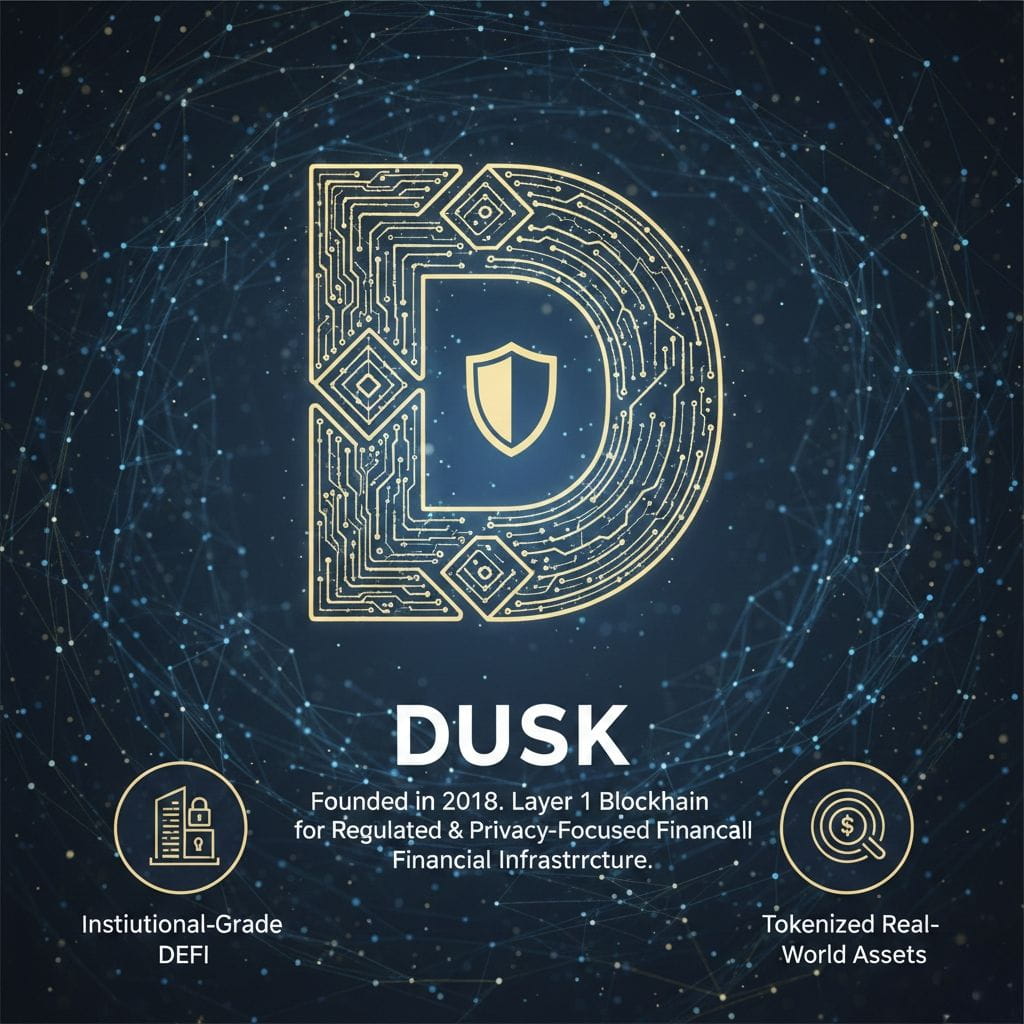
The responsibility embedded in invisible infrastructure shapes everything. It changes how teams make technical decisions, how they write documentation, how they design protocols. Every assumption is questioned, every potential failure anticipated. It demands a culture of humility: an understanding that no one person can foresee every outcome, that mistakes are inevitable, and that accountability is not an afterthought but a guiding principle. Asynchronous collaboration across geographies and time zones becomes a necessity, and with it comes the discipline to communicate clearly, document thoroughly, and respect the work of future collaborators who may inherit a system long after its creators have moved on.
There is also an ethical dimension to this work that is woven into the fabric of every decision. It is ethical to protect user data even when doing so slows development. It is ethical to anticipate misuse even when the temptation is to move quickly. It is ethical to build in transparency and verifiability, not as a checkbox, but as a way of showing respect for those who will depend on the system to function correctly when no one is watching.
Perhaps the most difficult lesson in building unseen infrastructure is the patience it requires. Success is not measured in weeks or months, but in years, in a track record of consistent behavior, in the subtle confidence a system inspires simply by functioning correctly day after day. The systems that endure are those that were not rushed, designed with care, foresight, and humility. They are the invisible hands that keep the world moving, not because they seek attention, but because they were built to matter.
@Dusk At the heart of this philosophy is a simple but profound belief: infrastructure worth relying on cannot be built in a hurry. It is built slowly, deliberately, over a long horizon, through countless decisions small and large, layered together over time. It is tested by reality, refined through reflection, and strengthened by the quiet insistence that those who depend on it should never be left to wonder if it will fail. Invisible infrastructure, in this sense, is a promise—a promise that what operates quietly in the background is doing so with thought, care, and an unwavering sense of responsibility.
