


Trust has always been Web3’s defining promise. “Don’t trust, verify” became a slogan — but in practice, verification has often stopped at execution. Data availability remained a weak point.
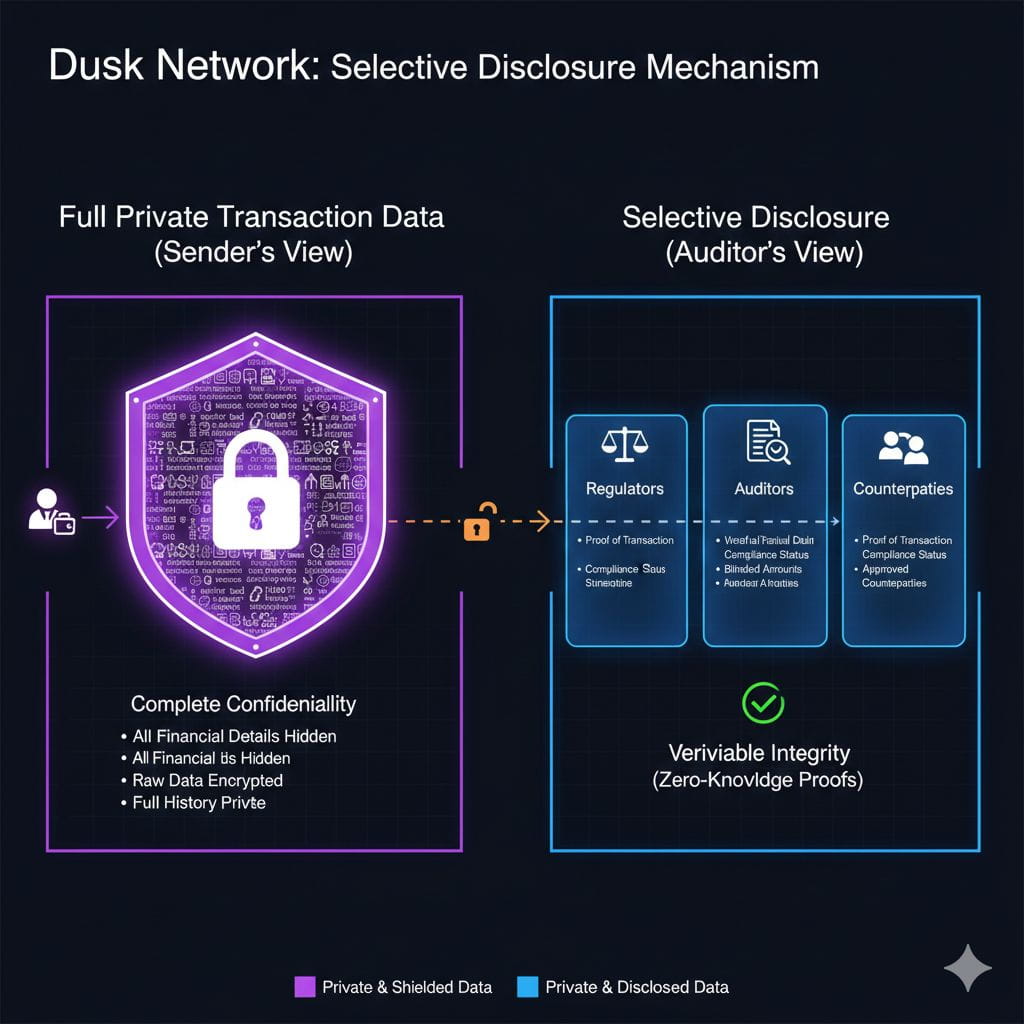
Many decentralized systems assume that if a transaction executes correctly, the data behind it will remain available. This assumption is fragile. If data disappears, becomes inaccessible, or cannot be verified independently, trust breaks down — even if execution logic is sound.
Walrus directly challenges this fragile assumption by treating data availability as a verifiable property, not a hopeful one.
Verifiable data changes how trust is constructed. Instead of trusting that storage providers will behave correctly, users and applications can cryptographically verify that data is present, intact, and retrievable. This shifts trust from reputation-based systems to mathematical guarantees.
In traditional systems, data trust relies on centralized providers and legal enforcement. In early decentralized storage, it often relied on optimistic assumptions and over-replication. Walrus introduces a more disciplined approach: assume failure, measure availability, and verify continuously.
This matters because Web3 is moving beyond speculative use cases. Financial contracts, governance systems, and AI models increasingly depend on data that must remain accessible over time. If that data cannot be verified independently, decentralization becomes cosmetic.
Walrus’s Proof of Availability mechanism ensures that data presence isn’t theoretical. Nodes must demonstrate that they can actually serve encoded data fragments when required. This creates a feedback loop where availability is enforced by the protocol itself.
From a trust perspective, this is transformative. Applications no longer need to trust individual storage providers or hope that replication was sufficient. They can rely on the network’s verifiable guarantees.
For developers, this lowers risk. For users, it increases confidence. For investors, it creates something rare in crypto: measurable reliability.
Verifiable data also changes governance dynamics. DAOs and on-chain systems often rely on off-chain or semi-off-chain data. When that data is verifiable, governance decisions become more defensible and transparent without sacrificing decentralization.
In this sense, Walrus doesn’t just store data — it strengthens Web3’s trust layer. It replaces assumptions with proofs, and promises with guarantees. That’s a structural upgrade, not a feature.
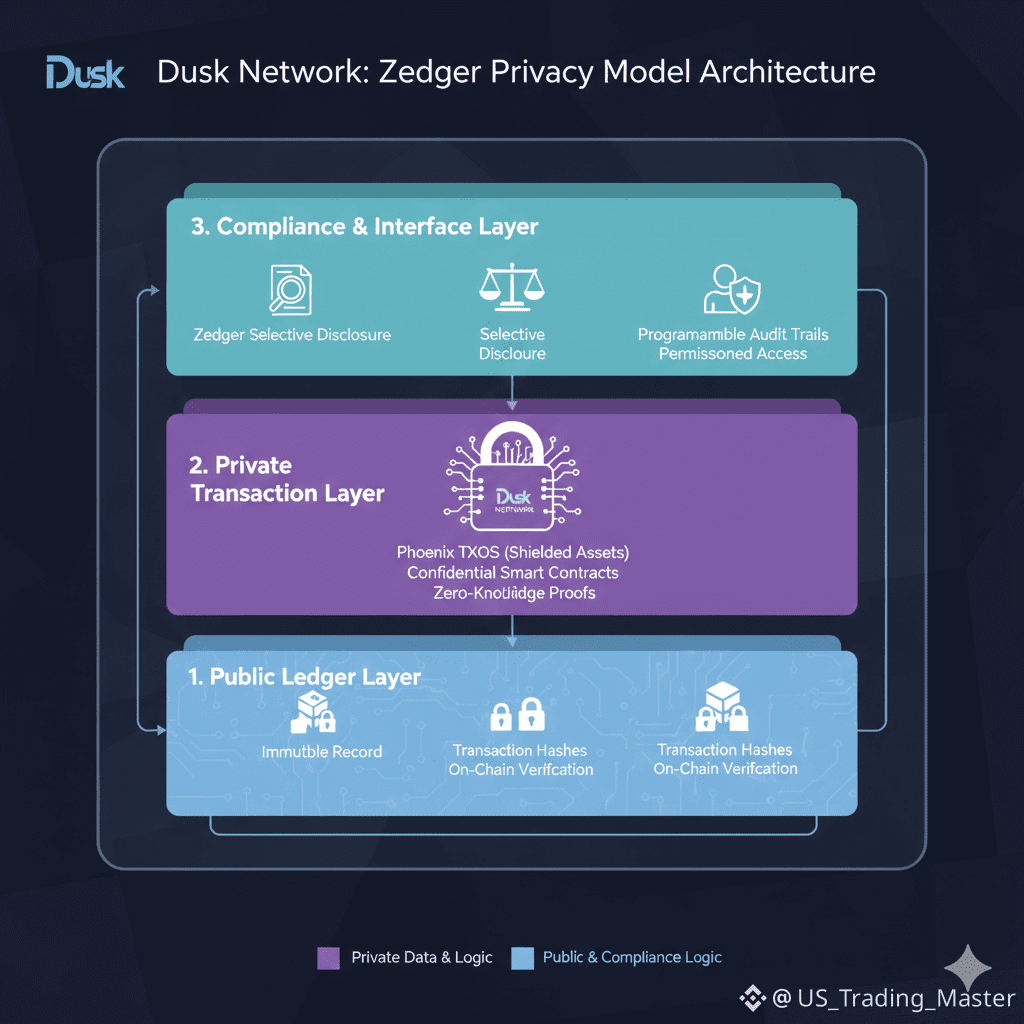
As Web3 systems mature, trust will increasingly be evaluated not by marketing narratives, but by whether data can be independently verified over time. Walrus aligns directly with that future.
