
What Real Adoption for Plasma XPL Really Looks Like
If you’re looking for proof that Plasma XPL is really catching on, don’t get distracted by wild price swings or sudden wallet spikes that fizzle out after one transaction. That stuff’s just noise. The real story happens behind the scenes—steady usage, consistent block space demand, and quiet integration into systems that care about reliability, not hype. Plasma XPL was always about infrastructure, and real adoption shows up that way.
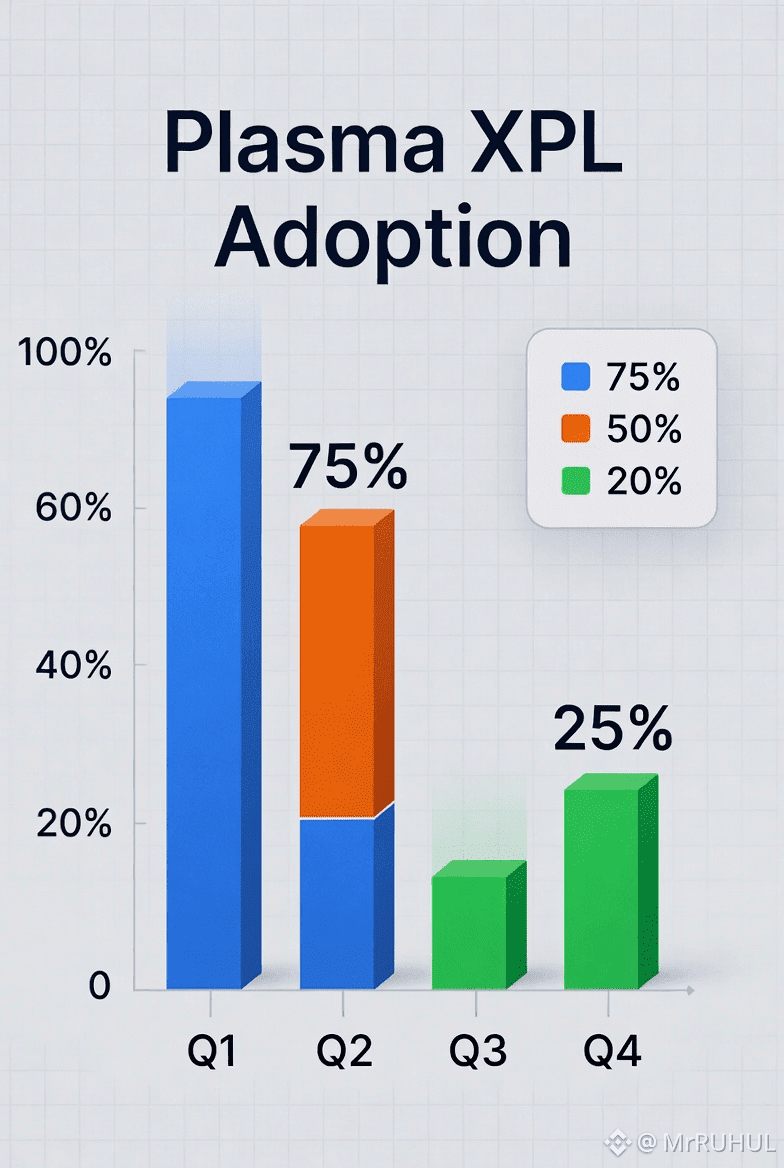
First, you’d notice the daily rhythm of transactions. Not those crazy bursts when the market’s losing its mind, but a kind of reliable throughput that means apps and services are running no matter what. Payment rails, enterprise tools, game engines, backend data—places where people actually need Plasma XPL to get work done. When you see the same users coming back, pushing real volume, you know they’re not just testing the waters. They trust it. They’re building on it.
Then there’s the apps themselves. Not those generic dApps that pop up on every new chain, but projects built to really use what Plasma XPL does best—modular execution, congestion management, predictable finality. Developers start tuning their stuff for batching, steady fees, low latency. These are signs they plan to stick around. Suddenly, for certain jobs, Plasma XPL isn’t just another option—it’s the obvious answer.
Here’s a big one: major players and protocols start running Plasma XPL in their backends and don’t even mention it in their marketing. Payment processors, middleware, bridges—they just use it because it works. No fanfare, no flashy announcements. It’s like cloud servers—nobody brags about what data center they use, they just expect it to work. If Plasma XPL is humming along in the background, keeping things running and nobody’s talking about it, that’s a solid win.
On the network side, validators stick with it for the long haul—not for quick rewards, but because the economics hold up. If fees and block space demand keep them engaged even as emissions drop, you’ve got a network that pays for its own security. That’s a sign of maturity. At the same time, real infrastructure pros start running nodes in all sorts of places, not just speculators chasing a quick buck. Decentralization grows naturally.
Governance shifts, too. Instead of hype-driven or knee-jerk proposals, you see fewer, smarter upgrades—focused on making things faster, safer, easier to work with. Votes actually reflect real impact. More devs and users join the conversation, while the noise from traders fades out.
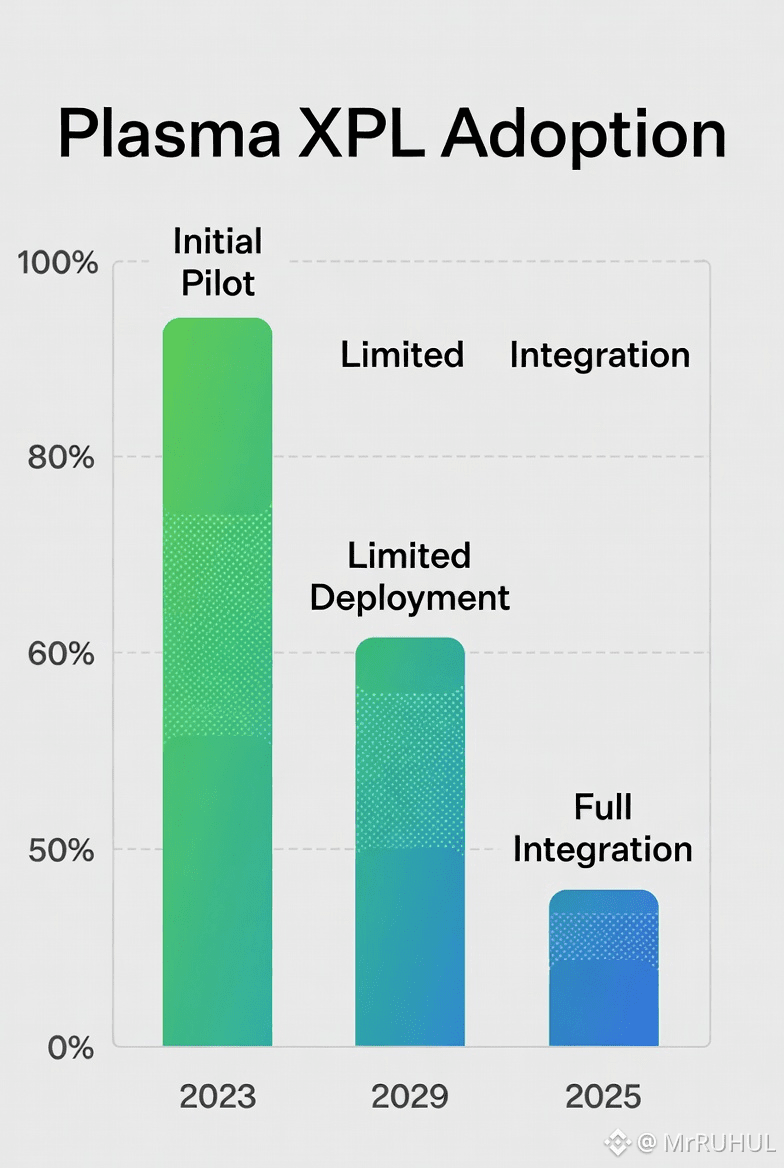
Then Plasma XPL just slides into real-world workflows. It’s there in accounting software quietly syncing on-chain data, in games running their economies without making players deal with wallets, in supply chains anchoring their audit trails on-chain. Most people don’t even know it’s there, but if it goes down, everyone feels it fast. That invisible dependency? That’s the real thing.
And honestly, you want it boring. Upgrades roll out with barely a ripple. Downtime almost never happens, and when it does, it’s handled smoothly. Day in, day out, Plasma XPL just works. When people stop talking about the chain but can’t run their services without it, you know it’s made it. No drama, just solid, dependable tech.
On the economic front, the token actually gets used—fees, staking, access rights, all tied to real activity. Not just sitting in wallets waiting for a moonshot. Actual usage keeps the network healthy and secure, not some artificial incentive propping things up.
And here’s the kicker: it gets hard to leave. If apps think twice about moving because Plasma XPL’s performance, tools, and reliability are tough to replace, it’s not just another chain fighting for attention. It’s become part of the foundation.
So what does real adoption look like? It’s quiet. It’s steady. It just works. Plasma XPL might not grab headlines, but it’ll be running the things nobody can afford to let fail. That’s the whole point.@Plasma #Plasma $XPL

