 By 2029, blockchain won’t be asking whether regulation matters — it’ll be built around it. The experiment phase ends. Infrastructure wins. In that world, privacy chains that resist compliance disappear from serious capital flows. DUSK survives because it was designed for this exact endpoint.
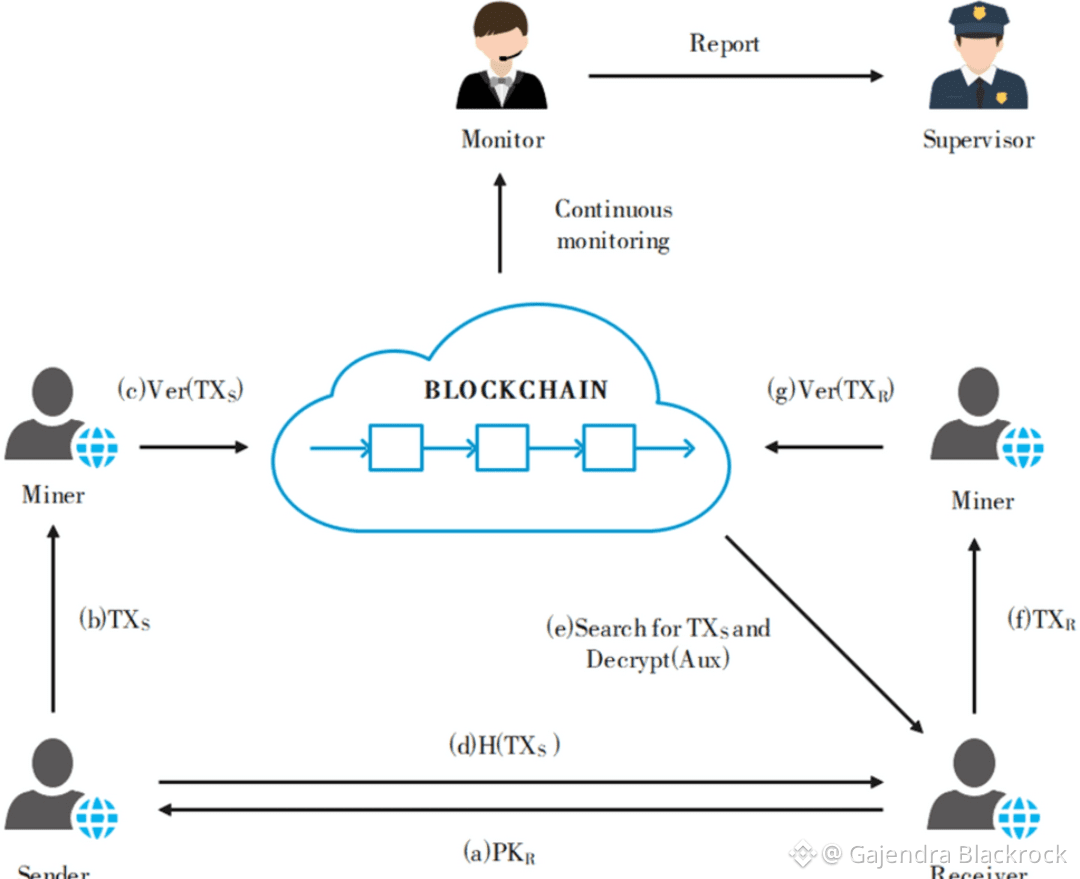
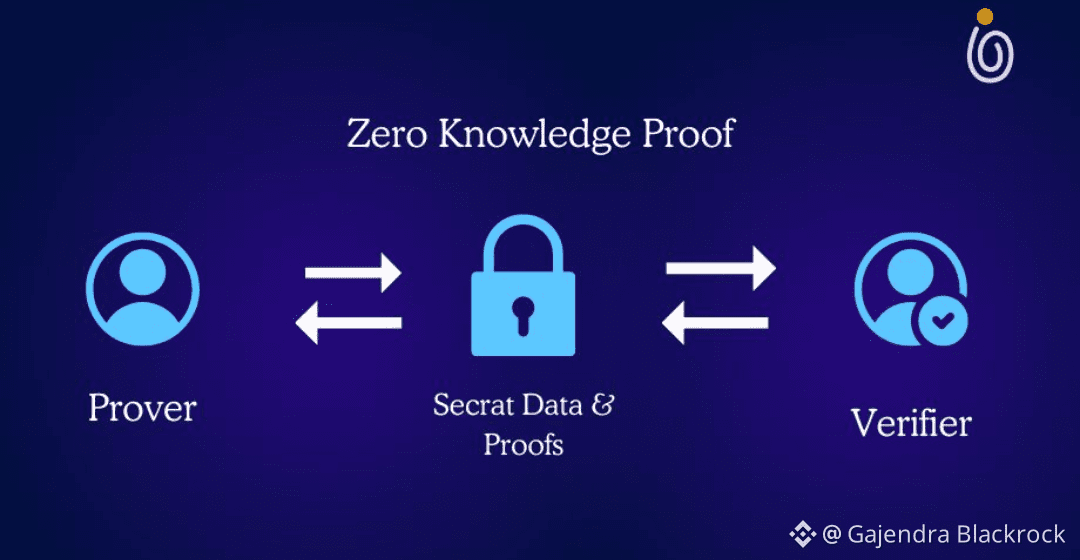
Fast forward five years: tokenized equities, bonds, and RWAs settle on-chain. Institutions don’t broadcast transactions, but regulators still verify them. This is where DUSK’s selective disclosure via zero-knowledge proofs stops being “innovation” and becomes standard plumbing. Privacy by default, transparency by permission.
Look at the direction already forming: MiCA in Europe, on-chain KYC experiments, compliant DeFi rails, and permissioned settlement layers. By 2029, privacy won’t mean invisibility — it will mean controlled visibility. DUSK’s architecture aligns with that shift while most privacy coins fight it.
Think of blockchain evolution like cities. Early chains were villages — open, chaotic, experimental. 2029 blockchains are regulated megacities. DUSK isn’t trying to tear the city down. It’s designing the zoning laws.
If blockchain becomes real financial infrastructure by 2029, DUSK isn’t optional tech.
It’s the compromise the system already chose.@Dusk
#DUSK #DUSKNetwork #BlockchainFuture $DUSK #PrivacyInfrastructur #RWA