

Walrus API: What Developers Need to Know
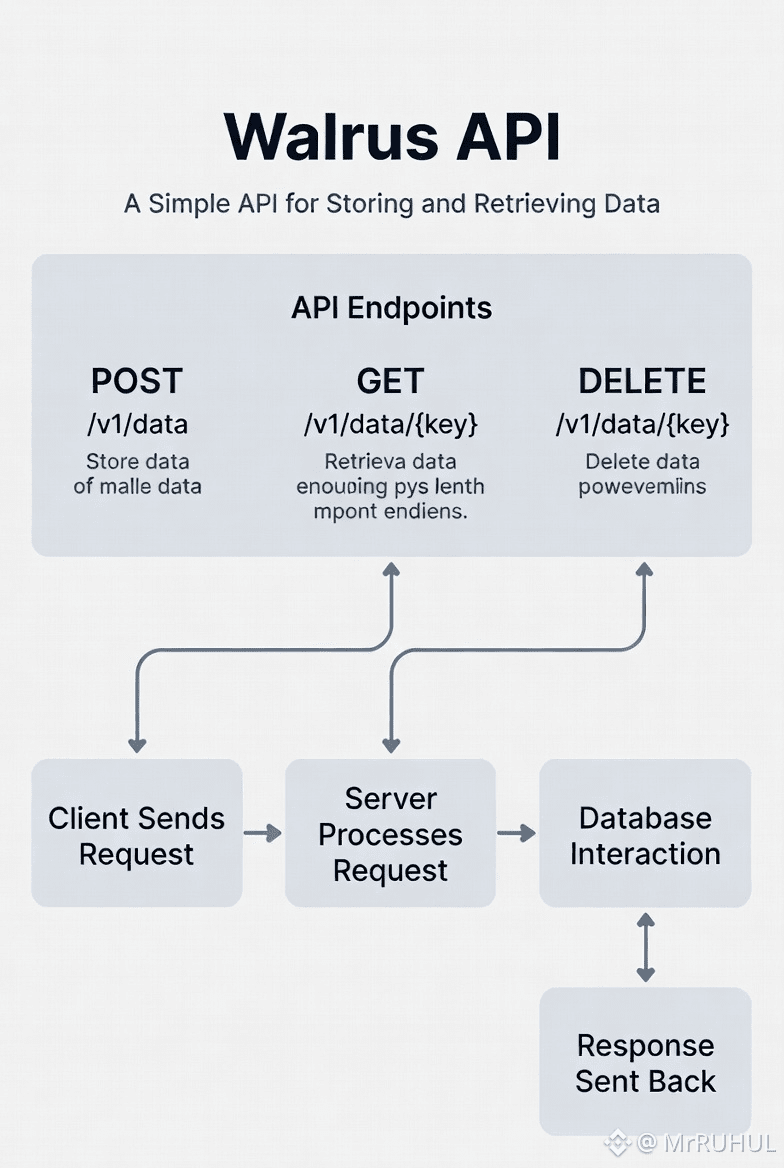
Walrus is a decentralized storage protocol designed for Web3 apps that need storage they can actually rely on. No more headaches with centralized servers. The API is your main gateway—it lets you store, retrieve, check, and manage large amounts of data, all without having to trust anyone else’s infrastructure. If you’re building a dApp that needs bulletproof data, you’ll want to get how the Walrus API works.
Core Principles
Simplicity is the name of the game. The Walrus API hides all the messy stuff—no need to mess with nodes, replication, or worrying if your data’s still there. On your end, it feels a lot like using regular cloud storage, but it comes with cryptographic proof and no central point of failure.
Every chunk of data in Walrus is an immutable object with a cryptographic hash as its tag. That fits right in with blockchain tech, where things need to be locked down and easy to verify.
Content Addressing and Data Objects
Upload something to Walrus, and the API slices it up, encodes it, and spreads it across the network. You get a CID back—a unique cryptographic fingerprint that always points to your file. That’s your key.
What does that actually mean for you?
You can always check the integrity of your files.
You’ll always get back exactly what you put in.
No more worrying about broken links or shady servers.
Most apps keep CIDs on-chain or in index contracts, so smart contracts can reference off-chain data without hassle.
Uploading Data
Uploading is as straightforward as it gets. Fire up the API and send your files—raw, JSON, or custom binary, it doesn’t care. Uploads run asynchronously, so your app keeps moving while big files make their way through.
You can tweak things like:
How many copies should exist for durability
Who gets access to the data
How long you want it stored, or if it should auto-renew
So you can dial in exactly the balance of cost, performance, and reliability you need.
Fetching and Streaming Data
Pulling data back is quick, whether you’re grabbing a tiny file or streaming massive datasets for stuff like video or AI. You fetch by CID, and Walrus sorts out the routing, always picking the fastest node. To you, it just feels like using any regular REST or RPC API, but all the complicated stuff happens out of sight.
Verification and Trust
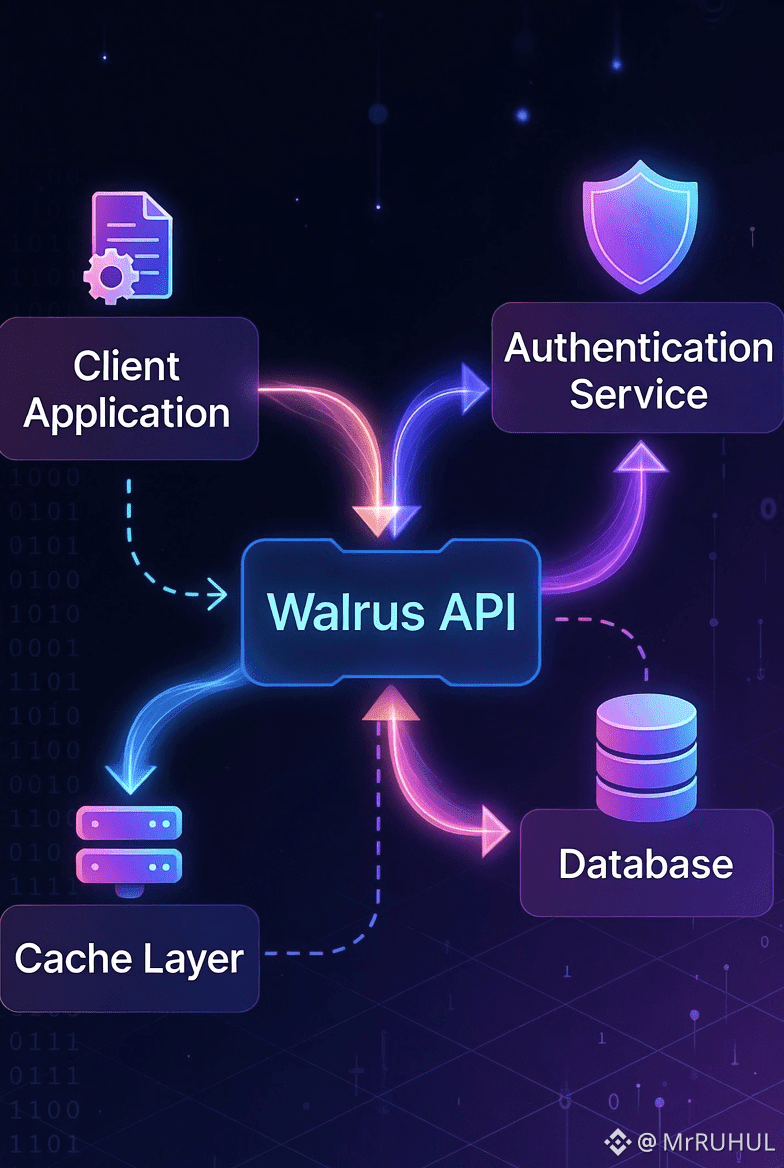
Here’s where Walrus really shines: built-in verification. Every response can be checked against the original CID, so you know you’re getting what you asked for. That’s a game-changer for DeFi, NFTs, and governance projects where trust can’t be faked.
You can:
Verify data yourself on the client, for total security
Let trusted middleware handle it if you need things faster
Works for fully trustless or hybrid setups.
Access Control
Walrus leans open, but you can keep things private if you want. Encrypt your data before uploading—Walrus doesn’t care what’s inside. You just manage the keys.
This lets you create:
Private datasets
Apps that need to meet compliance rules
Selective disclosure based on on-chain identity
Cost and Optimization
Walrus keeps pricing simple and usually beats most other decentralized options. You control your bill by:
Tuning replication
Cleaning out data you don’t use
Bundling small files together
The API gives you all the controls you need, without forcing you to wrestle with backend infrastructure.
Smart Contract Integration
Walrus isn’t a smart contract platform, but it plugs right into blockchains. The usual playbook:
Store CIDs in contracts
Keep your big state or history off-chain in Walrus
Link Walrus data to NFTs, DAOs, or DeFi projects
This way, you get leaner blockchains and strong data guarantees by keeping storage and logic separate.
Developer Experiencec.@Walrus 🦭/acc #Walrus $WAL

