
By 2029, blockchains won’t fail because of consensus or security. They’ll fail because of data. Too expensive on-chain, too centralized off-chain. Walrus exists exactly in that gap most people still ignore.
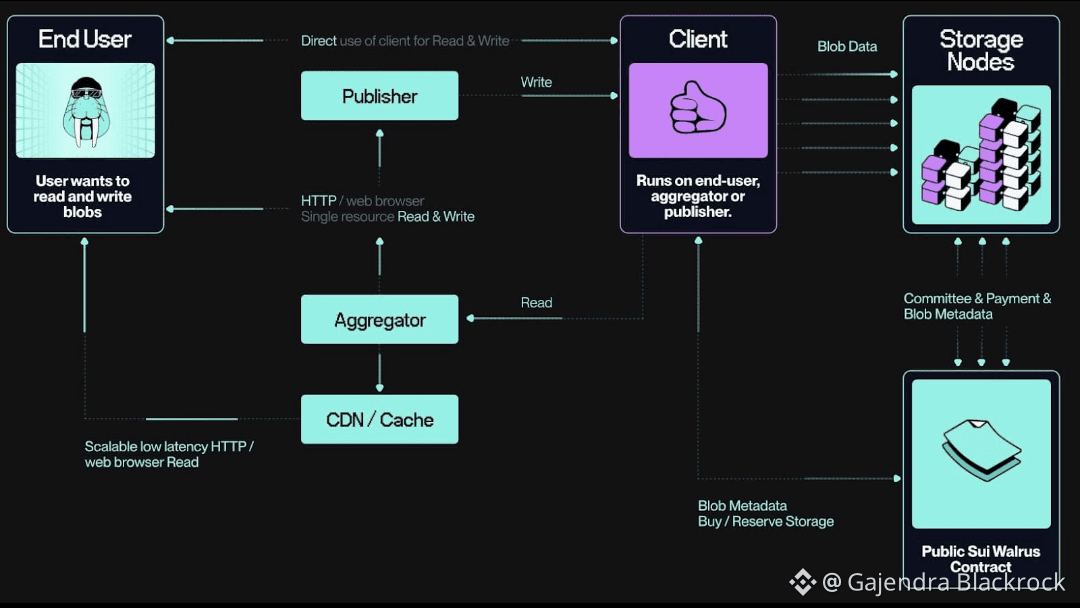
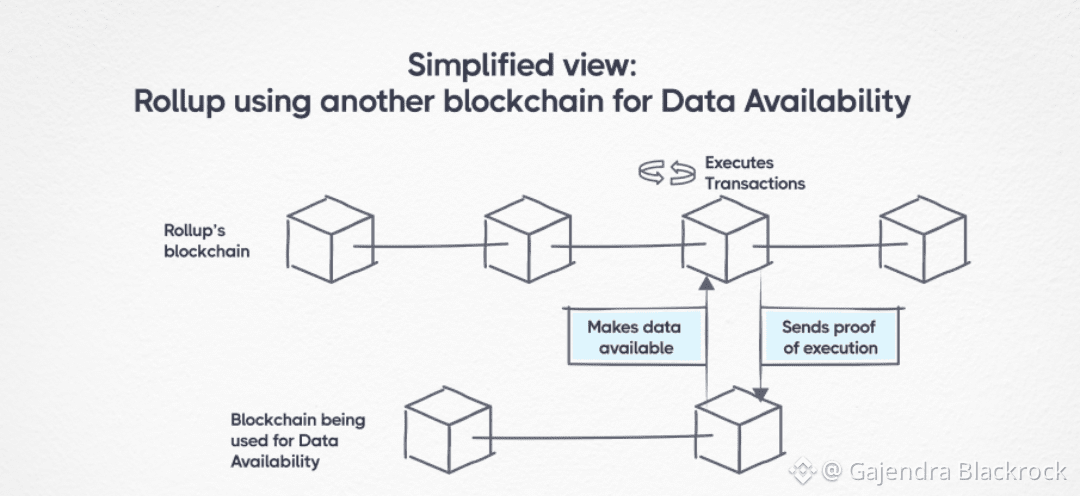
Walrus isn’t trying to replace blockchains. It’s fixing their blind spot: large-scale, verifiable data storage without trusting centralized servers. Think NFTs with real media permanence, rollups with reliable data availability, AI models storing datasets without AWS choke points. This isn’t theoretical — it’s structural.
Most chains today treat data like baggage. Walrus treats it like infrastructure. By separating execution from storage, Walrus allows blockchains to scale without bloating, while still preserving cryptographic guarantees. That’s why modular stacks, rollups, and data-heavy apps naturally drift toward solutions like this.
Use a metaphor: blockchains are brains, not memories. Walrus is long-term memory — durable, decentralized, and verifiable. Without it, advanced on-chain systems keep outsourcing trust to Web2 clouds while pretending they’re decentralized.
If 2029 blockchains support gaming worlds, AI agents, social graphs, and RWAs, raw storage becomes non-negotiable. Walrus isn’t hype-layer tech. It’s the quiet backbone most users won’t notice — and that’s exactly why it matters.
#WALRUS #WalrusProtocol #DecentralizedStorage $WAL #ModularBlockchain #Web3Infrastructure @Walrus 🦭/acc

