Walrus is built around a new and very practical idea: Web3 needs storage with guarantees, not assumptions. Today, most decentralized apps assume that once data is uploaded, it will stay available forever. In reality, nodes go offline, incentives change, and files slowly disappear. This is why many Web3 apps still break or rely on centralized clouds. Walrus is designed to change that by treating storage like a service with clear rules and accountability.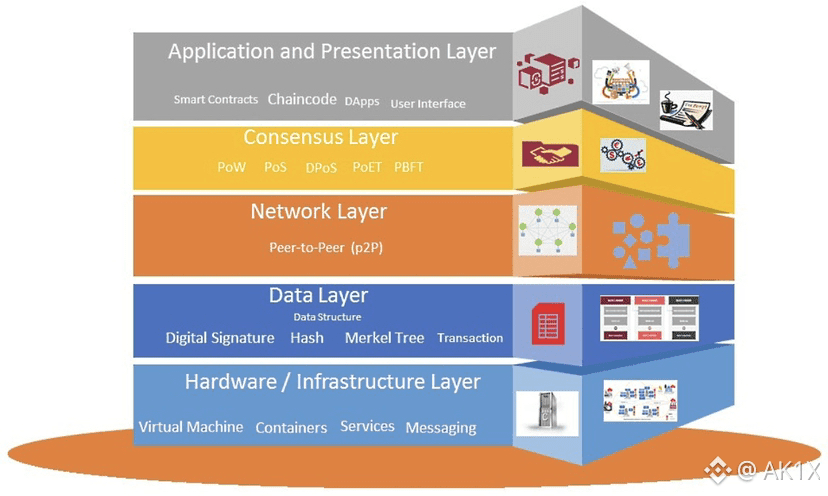
What makes Walrus different is its focus on guaranteed availability. Storage nodes are not trusted just because they exist. They must regularly prove that they still store the data they are responsible for. If they fail to do so, they lose rewards. This simple rule changes everything. Data stays available not because people are honest, but because the system makes reliability the only profitable option.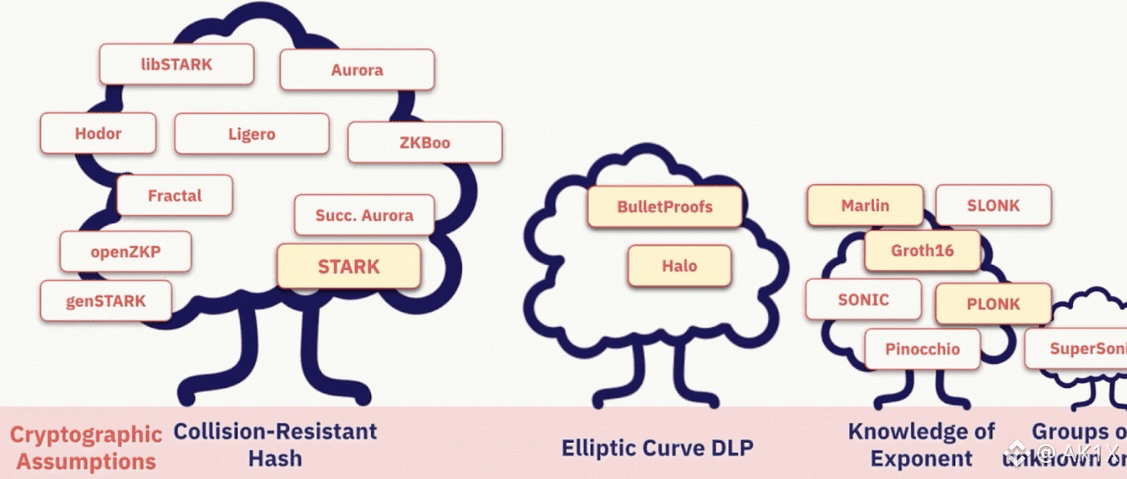
Walrus is also built for real-world scale. It is designed to handle large files like videos, AI datasets, website content, and game assets. Instead of copying full files many times, Walrus breaks data into encoded pieces and spreads them across many nodes. Even if some nodes fail, the data can still be recovered. This makes storage efficient, resilient, and practical for everyday use.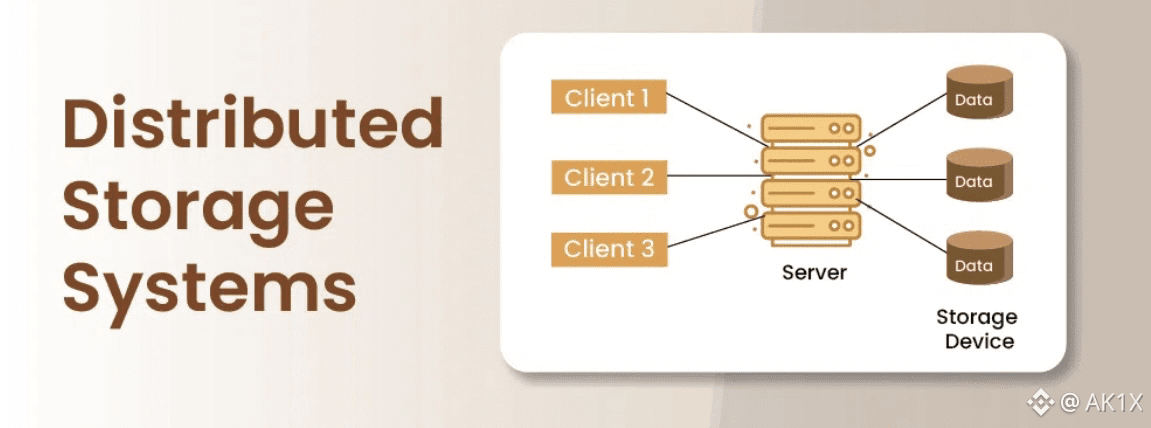
Another important strength of Walrus is how it works with modern blockchains like Sui. Large data stays off-chain, while coordination, verification, and rules live on-chain. This allows smart contracts to reference stored data and build logic around it. Storage becomes programmable and dependable, not fragile or external.
For platforms like Binance, high-quality content is about real utility, clarity, and education. Walrus fits this perfectly. It is not about hype or speculation. It is about fixing a core weakness in Web3. As AI apps, games, NFTs, and media platforms grow, reliable data will matter more than anything else. Walrus is built for that future quietly, clearly, and with real guarantees.