Introduction
When I first started learning about cryptocurrency, I was excited but also confused. There was so much information online, and everyone seemed to be promising easy money. Very quickly, I realized something important: crypto scams are everywhere, especially for beginners.
Many people don’t lose money because crypto is risky, but because they fall into scams they don’t understand. In this article, I want to share the most common crypto scams beginners should avoid and explain simple ways to stay safe while using Binance. You don’t need to be a trader or expert—just informed.

1. Fake Airdrops and Free Crypto Offers
One of the first scams I noticed as a beginner was fake airdrops. These scams promise free tokens if you click a link, connect your wallet, or send a small amount of crypto first.
How these scams usually look:
Social media posts pretending to be Binance or popular crypto projects
Messages saying “limited-time airdrop”
Websites that look professional but are fake
Once a user connects their wallet or shares information, their funds can be stolen.
How I stay safe:
I only trust announcements inside the official Binance app
I never send crypto to receive “free” crypto
I never share private keys or recovery phrases.
2. Phishing Websites That Look Like Binance
Phishing is one of the most dangerous scams because fake websites can look exactly like the real Binance site. Beginners may not notice the difference.
Common phishing tricks:
Emails saying your account is at risk
Fake login pages with slightly changed URLs
Messages creating urgency like “verify now or lose access”
What I do to stay safe:
I bookmark the official Binance website
I never log in through email or social media links
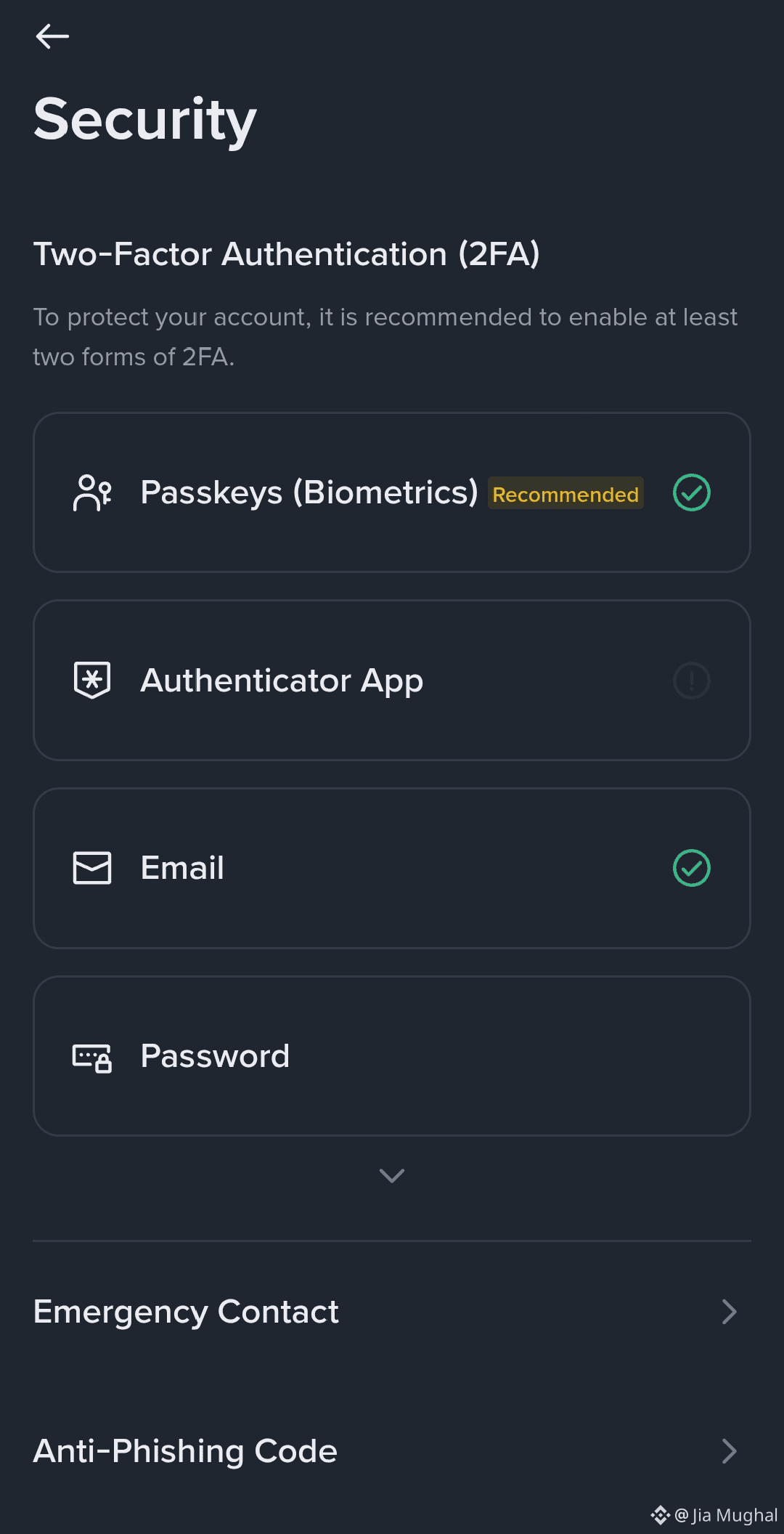
I enabled the Anti-Phishing Code in Binance security settings
This small step makes it much easier to identify real Binance emails.
3. Fake Binance Support Messages
Another common scam targets beginners through fake customer support messages. Scammers pretend to be Binance staff and contact users directly.
How this scam works:
A message claims there is a problem with your account
The scammer asks for verification codes or personal details
They pressure you to act quickly
Important lesson I learned: Binance support never messages users first. Real support is only available through the Binance app or official website. I never share:
SMS codes
Google Authenticator codes
Passwords
4. “Guaranteed Profit” and Ponzi Schemes
Any crypto offer promising guaranteed profits is a red flag. As a beginner, I learned that there is no such thing as risk-free profit in crypto.
Warning signs include:
Fixed daily or weekly returns
Claims of “no risk”
Heavy focus on referrals
These schemes often collapse once new users stop joining.
5. Fake Investment Groups on Telegram or WhatsApp
Many beginners are added to fake crypto groups claiming to teach or guide users.
What I noticed in these groups:
Fake profit screenshots
Bots praising the admin
Pressure to invest quickly
What I do instead:
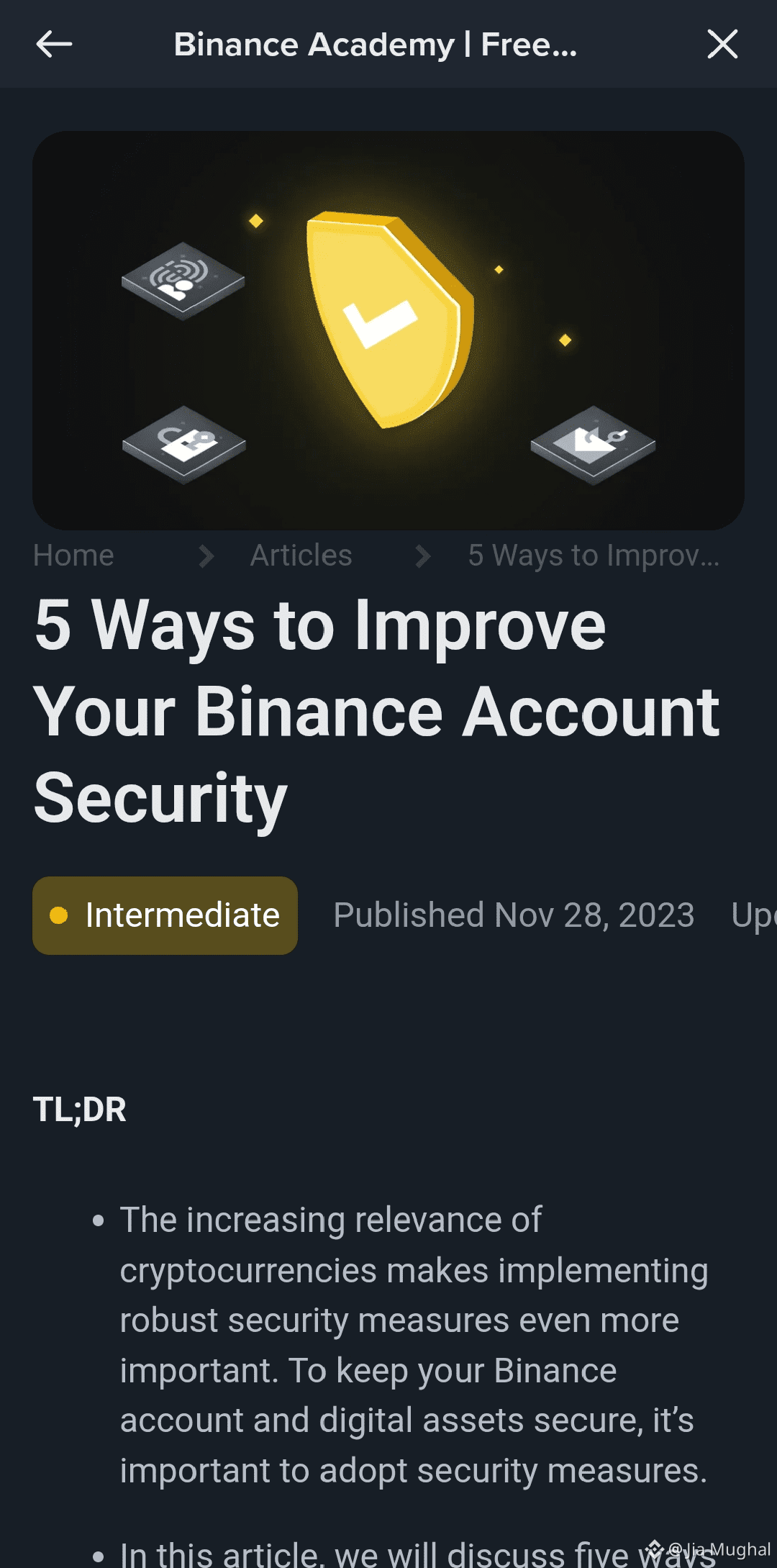
I learn from Binance Academy
I avoid private groups that push urgency
I never send crypto to strangers
How Binance Helps Beginners Stay Safe
Binance provides useful tools that really help beginners protect their accounts:
Two-Factor Authentication (2FA)
Anti-Phishing Code
Withdrawal Address Whitelist
Free education through Binance Academy
Using these features gives me more confidence while learning about crypto.
Conclusion
Crypto can be a great learning opportunity, but beginners must be careful. Most scams succeed because users are unaware, not careless. I believe learning about safety is more important than rushing to make money.
By understanding common scams and using Binance’s security features, beginners can avoid costly mistakes and feel safer in the crypto space. My biggest rule is simple: if something sounds too good to be true, it probably is.