
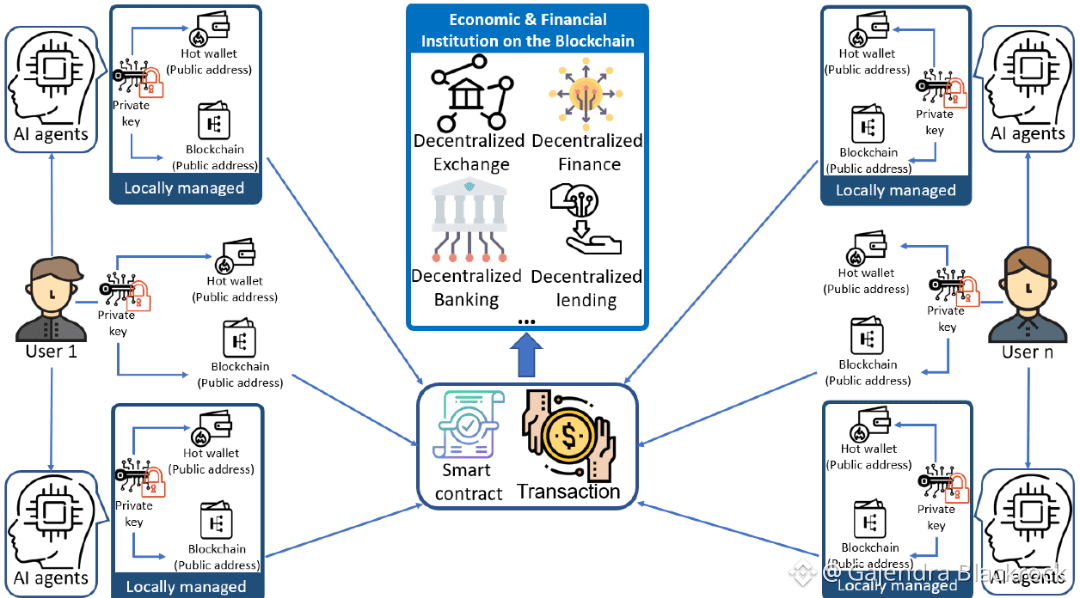
 Economic stability isn’t built on hype cycles; it’s built on reliable infrastructure. By 2029, the biggest risk to digital economies won’t be hacks or volatility alone — it will be data fragility. When applications, markets, and on-chain economies rely on centralized cloud storage, they inherit single points of failure. Walrus directly targets that weakness.
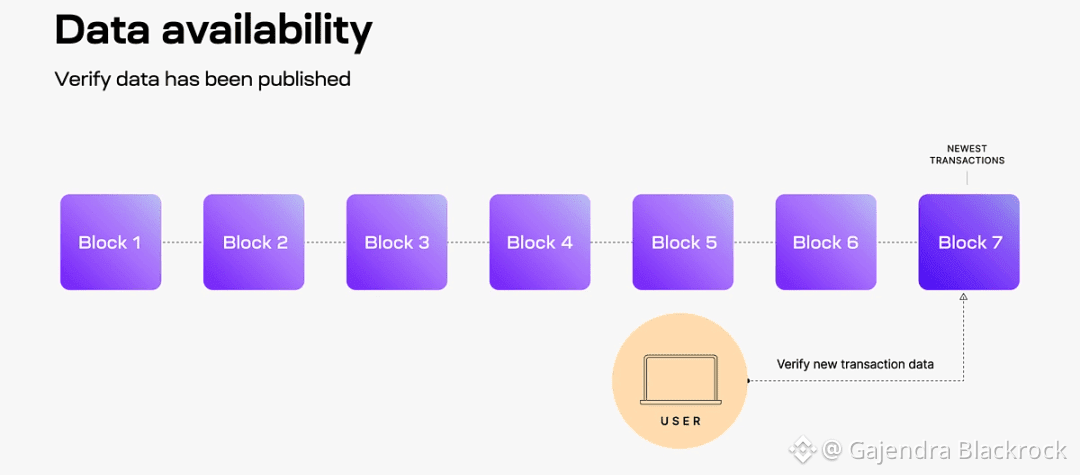
Walrus strengthens future economic systems by making data availability decentralized, verifiable, and persistent. This matters because DeFi, gaming economies, AI agents, and RWAs all depend on massive datasets that must remain accessible regardless of market stress or geopolitical shocks. Centralized storage collapses under pressure; decentralized storage absorbs it.
Think of Walrus as economic shock absorbers. During volatility, systems don’t fail because logic breaks — they fail because data disappears, becomes censored, or gets priced out. Walrus lowers long-term operational costs, removes gatekeepers, and ensures continuity. That’s stability, not speculation.
Walrus’ long-term goal isn’t visibility. It’s dependability. If Web3 is to support real economies instead of experiments, storage must be boring, durable, and unstoppable. That’s how futures are built — quietly, underneath everything else.
#WALRUS #WalrusProtocol #EconomicStability #Web3Infrastructure $WAL