
@Dusk Some of the most crucial elements of our world are ones we rarely see. They do not demand attention, flash bright lights, or seek applause. Bridges hold steady, power grids hum, payment networks process billions, and the invisible threads that shuttle digital value quietly do their work. We notice them only when they fail. The same is true for the systems supporting our financial lives in the digital age: they bear immense responsibility silently, and that responsibility is weighty.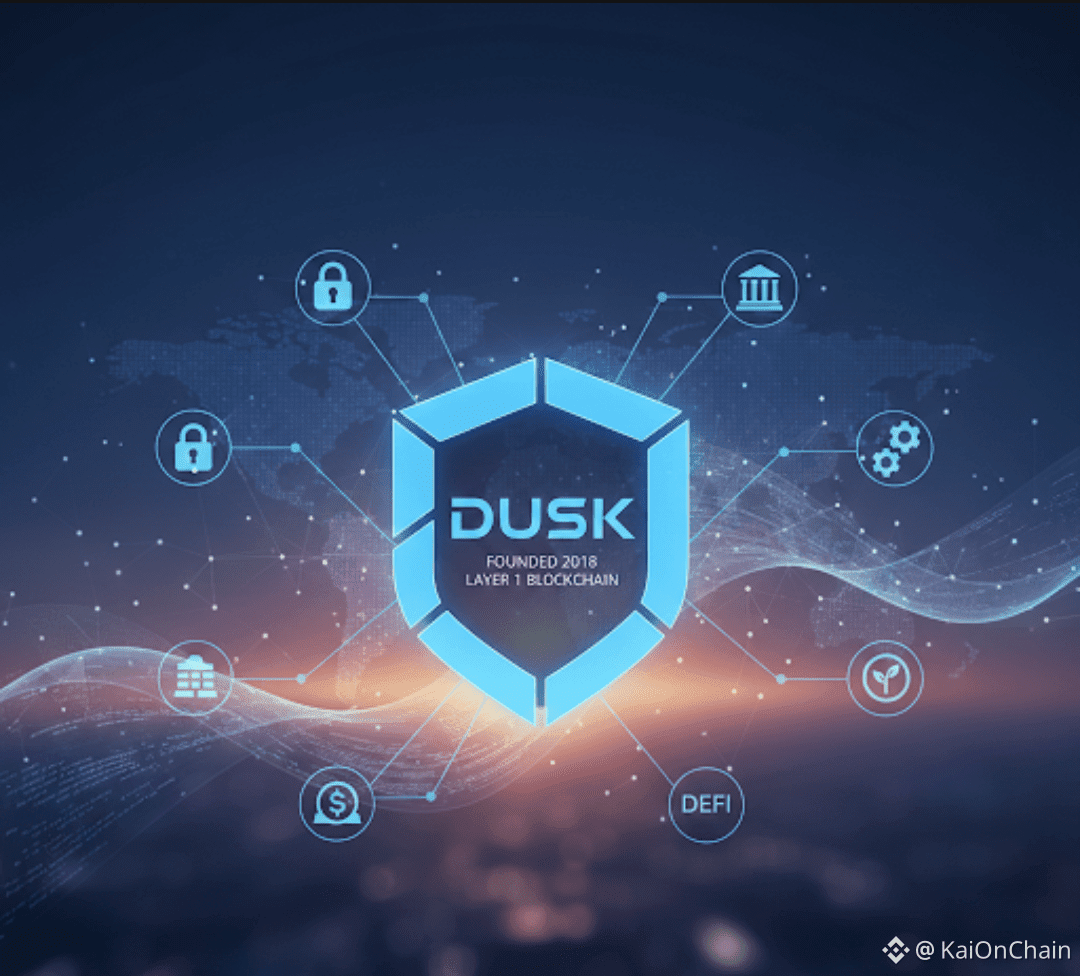
Dusk, a Layer 1 blockchain founded in 2018, embodies this quiet philosophy. Its purpose was never to chase viral hype or flashy launches but to create infrastructure capable of supporting regulated, privacy-aware financial ecosystems. Its modular architecture is designed for both flexibility and durability, enabling institutional-grade applications, compliant decentralized finance, and tokenized real-world assets. Privacy and auditability are not afterthoughts—they are integral to its design.
When building systems that safeguard value or sensitive information, every decision carries ethical as well as technical weight. Speed and visibility are tempting, but they pale in importance beside reliability and correctness. Cutting corners does not merely risk system performance; it risks trust itself. Cryptography, careful network planning, and modular design are not marketing gimmicks—they are chosen to shield users from misuse, loss, or unexpected changes in control. Trust is earned gradually, in consistent, deliberate steps.
Privacy and compliance often appear to be at odds, yet in responsible design, they coexist. Users deserve confidentiality, while society expects accountability. Dusk approaches privacy as contextual rather than absolute: shielded transactions can exist alongside auditable flows, ensuring sensitive operations remain private without evading lawful oversight. This nuanced design reflects a deeper principle: technology should enable stewardship, not just convenience.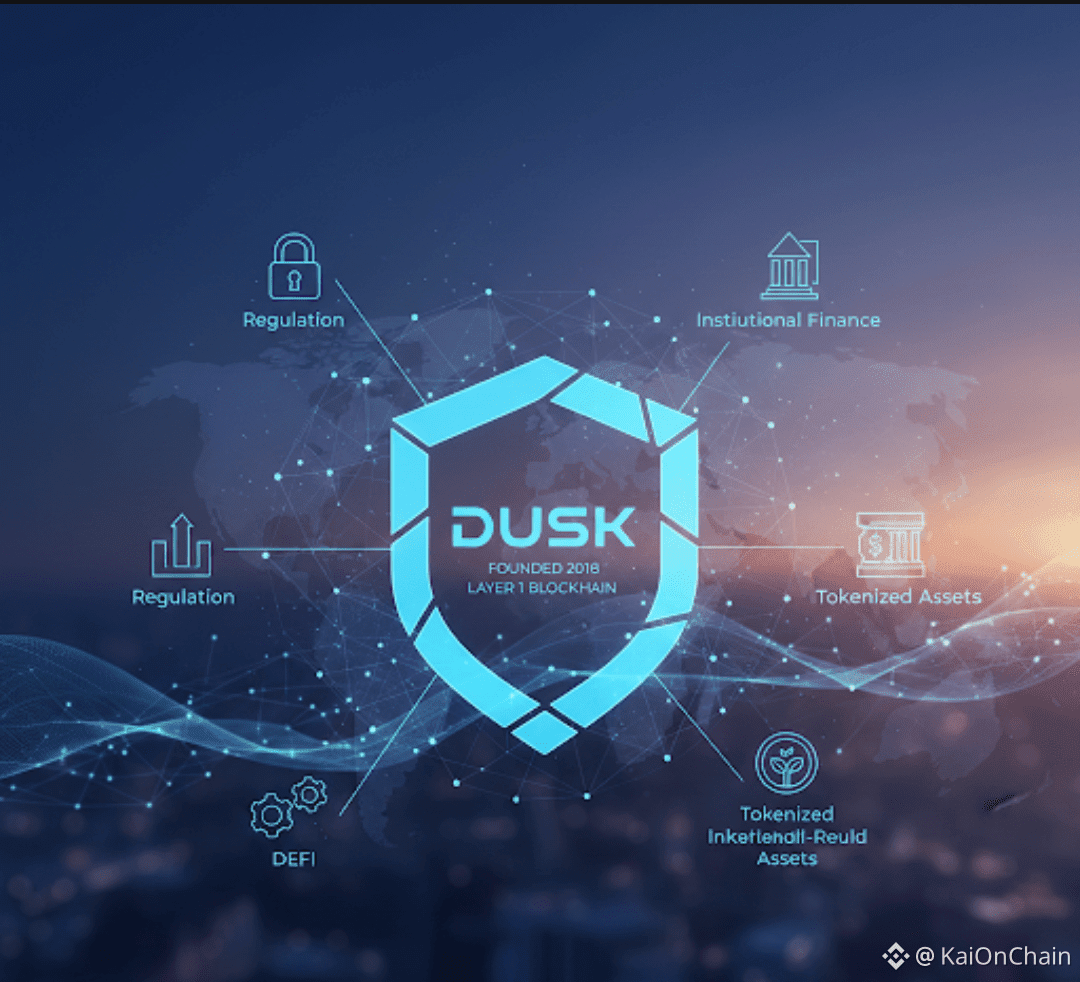
Decentralization in Dusk is pragmatic, not performative. Responsibilities are spread across nodes, settlement is separated from execution, and upgrades are modular. These measures are not slogans—they are safeguards. They reduce single points of failure, protect user assets, and prevent the sudden consolidation of power. Infrastructure built this way can adapt, endure, and reliably support the individuals and institutions that rely on it.
Creating this level of infrastructure demands a culture of humility and meticulous documentation. Assumptions are constantly scrutinized, potential failures anticipated. Teams work asynchronously, communicating with clarity, knowing that their work will be read and trusted by others across time zones and years. Code is only part of the system; documentation, testing, audits, and knowledge sharing form the scaffolding that makes trust sustainable beyond its original creators.
In the end, trust is not a feature—it is the result of countless careful actions over time. The systems most worthy of reliance do not seek attention. They function quietly, reliably, and responsibly, surviving both everyday disruptions and extreme stress.
@Dusk story reminds us that the infrastructure we depend on most is often invisible. It demands foresight, patience, and the willingness to take responsibility not for fleeting recognition, but for the people whose lives are shaped by these decisions. True systems are built slowly, intentionally, and thoughtfully. And in that measured accumulation of choices, the silent labor of trust becomes unmistakable in its absence—and invaluable when it matters most.
