
As Web3 adoption accelerates, one of the most critical challenges remains ensuring reliable, persistent, and verifiable data storage. Walrus emerges as a purpose-built data reliability layer designed to solve this fundamental limitation. Unlike traditional decentralized storage networks that focus primarily on availability, Walrus introduces programmable data persistence, integrity guarantees, and economic incentives that align long-term data reliability with network participation.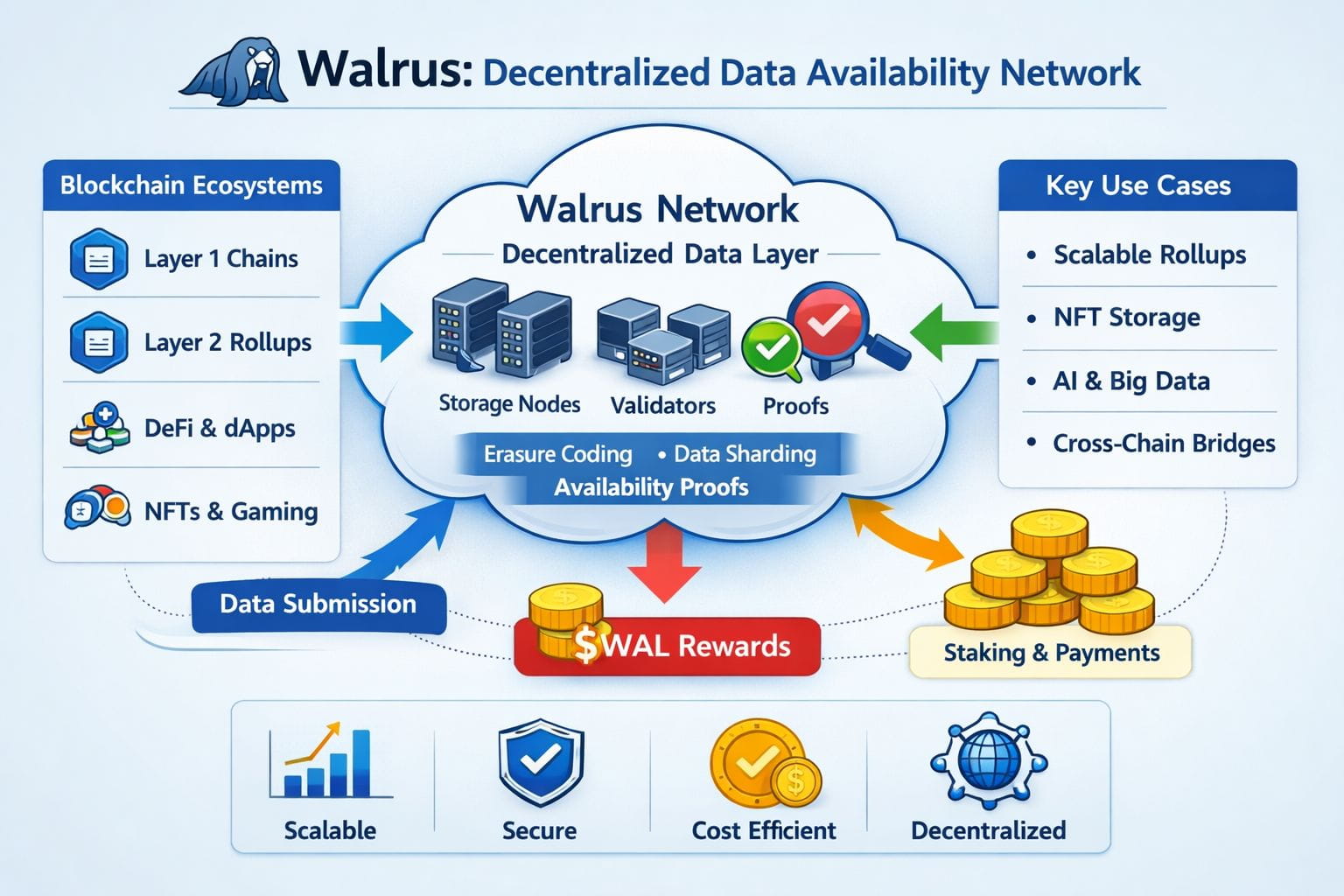
At its core, Walrus enables applications to store and retrieve data with cryptographic proof of availability and integrity. This is essential for Web3 use cases such as NFTs, on-chain gaming assets, decentralized social media content, and AI datasets, where lost or corrupted data directly undermines application trust. Walrus addresses this by distributing encoded data across a decentralized operator network, ensuring redundancy without excessive replication costs.
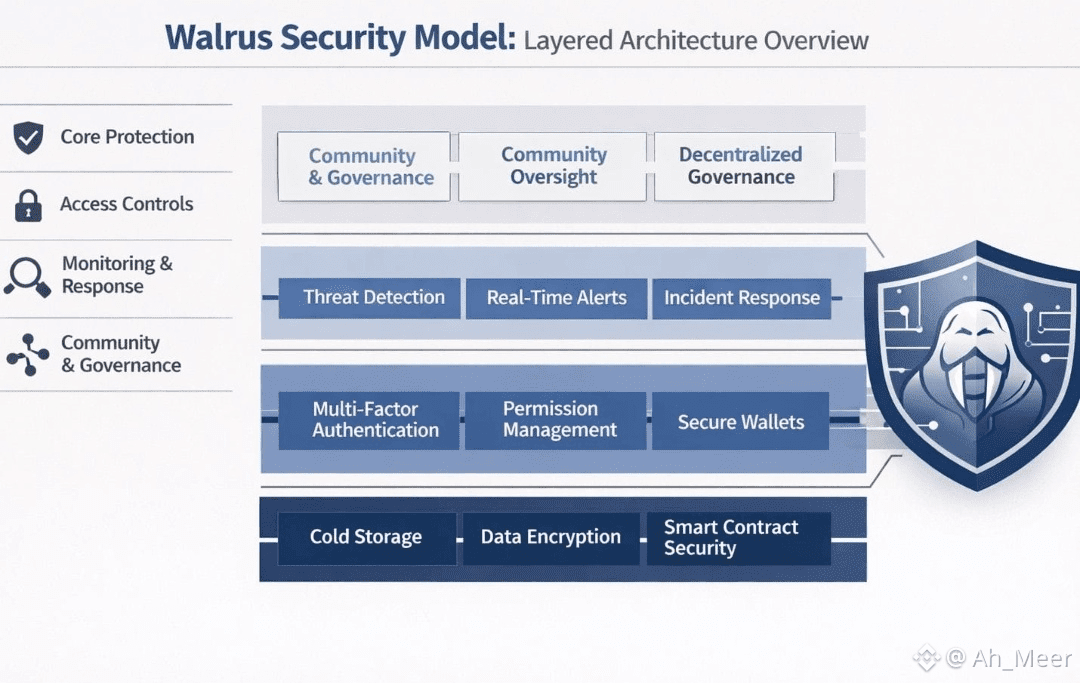
The Walrus token plays a central role in sustaining this reliability economy. Storage providers stake tokens to participate, earning rewards for maintaining data availability while facing penalties for failures. Meanwhile, users pay predictable fees for durable data storage, creating a self-balancing marketplace for reliability.
By merging cryptographic verification, decentralized infrastructure, and token-aligned incentives, Walrus positions itself as the missing data reliability layer that allows Web3 applications to scale with confidence, permanence, and trust.

