
For years, transparency has been treated as one of blockchain’s greatest strengths. The idea was simple: if everything is visible, trust naturally follows. But as on-chain markets mature, that assumption is being challenged. In real financial environments, full transparency does not always create fairness. In many cases, it creates new forms of risk.
Public ledgers expose trading activity, balances, and strategies in real time. While this level of openness can be useful for auditing, it can also turn information into a weapon. Front-running, strategy replication, and market manipulation are not theoretical problems; they are daily realities on fully transparent networks. As more value moves on-chain, the cost of this exposure becomes harder to ignore.
This is where privacy-focused infrastructure begins to shift from being optional to essential.
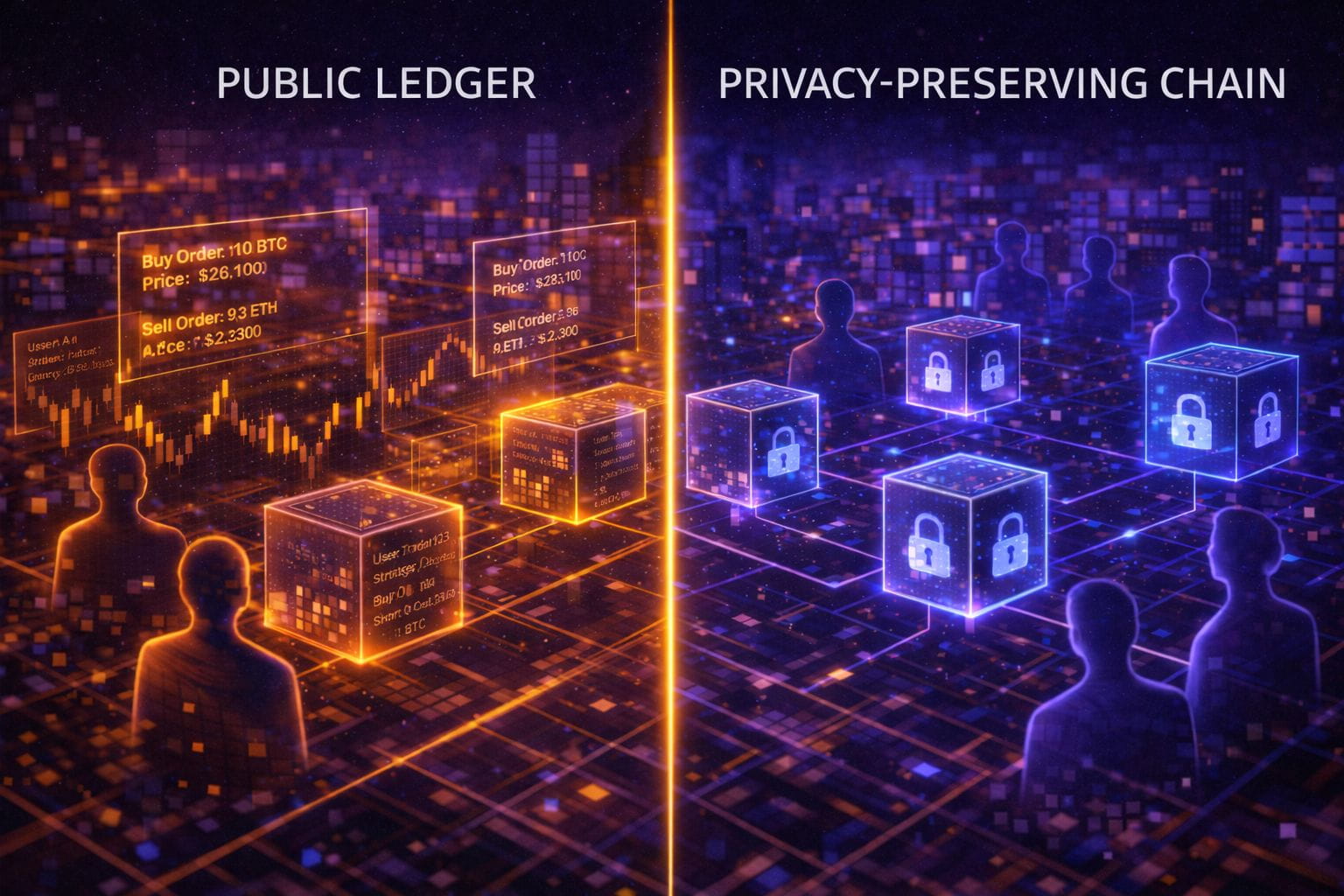
Transparency vs Market Integrity
In traditional finance, markets operate with strict disclosure boundaries. Traders are not required to publish their positions to the world. Companies do not reveal treasury movements in real time. Regulators oversee compliance, but sensitive data is protected.
Public blockchains invert this model. Every transaction is visible, permanent, and searchable. While this may appear fair on the surface, it often disadvantages participants who operate at scale or rely on timing and discretion. Transparency does not eliminate power imbalance; it can amplify it.
Privacy, when implemented correctly, does not weaken trust. Instead, it helps preserve market integrity by preventing unnecessary information leakage while still enforcing rules.
How Dusk Uses Zero-Knowledge Proofs Differently
Dusk approaches privacy as a structural component of financial infrastructure, not as an add-on. Its use of zero-knowledge proofs is not about hiding activity without accountability. It is about proving correctness without exposing details.
Zero-knowledge proofs allow a participant to demonstrate that a transaction follows all protocol rules without revealing private data such as balances, identities, or strategies. Validators do not need to see the underlying information; they only need to verify the proof.
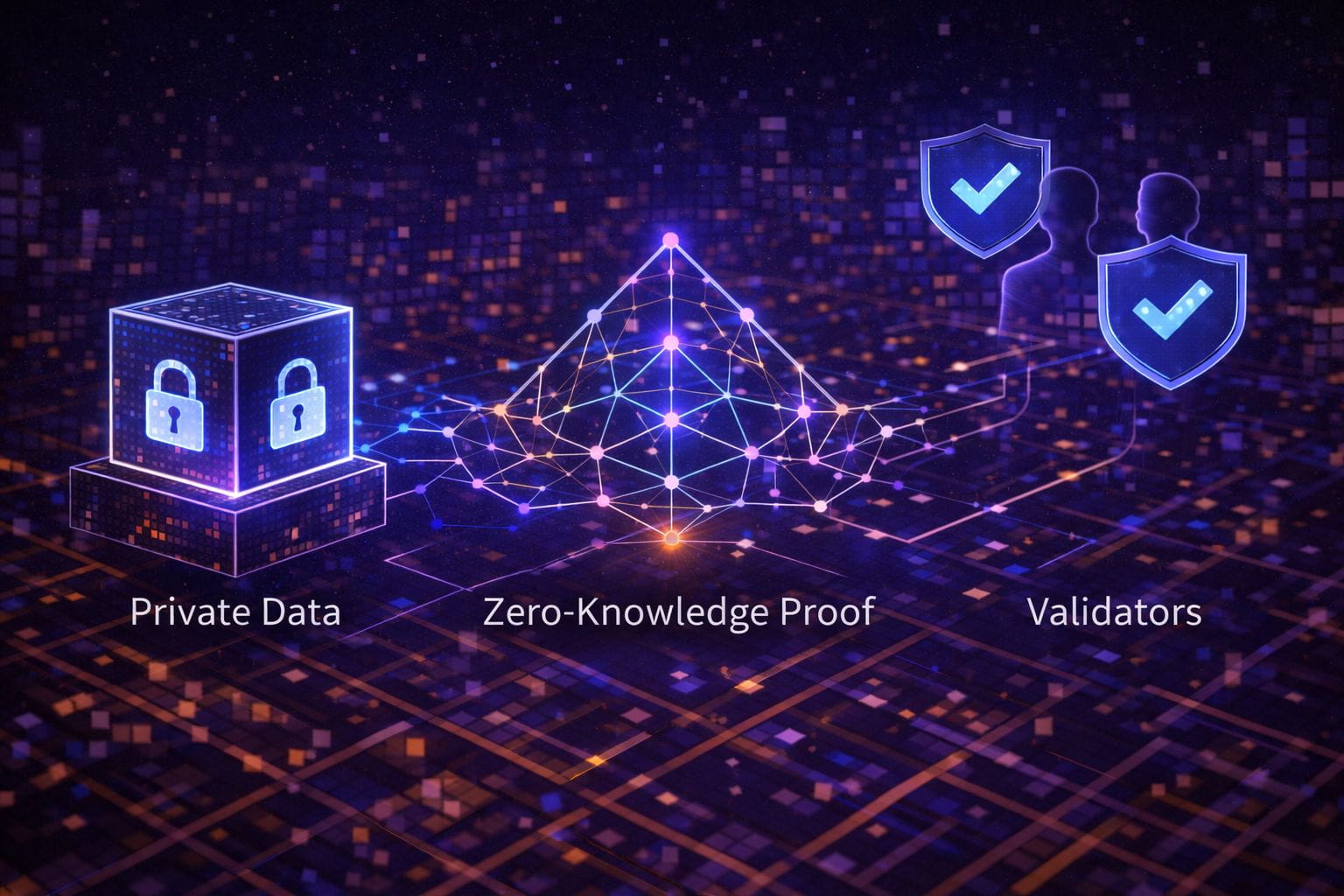
This distinction is critical. Privacy without verification leads to opacity. Verification without privacy leads to surveillance. Dusk is designed to sit between those extremes.
Why This Matters for Regulated Finance
Regulated markets do not require full transparency. They require enforceability. Regulators need assurance that eligibility rules are followed, restricted assets are not misused, and settlement is correct. They do not need every transaction detail broadcast publicly.
Dusk enables what can be described as cryptographic compliance. Rules are enforced mathematically, and compliance can be proven on demand without exposing sensitive information by default. This model allows institutions, users, and regulators to coexist on-chain without forcing trade-offs between privacy and oversight.
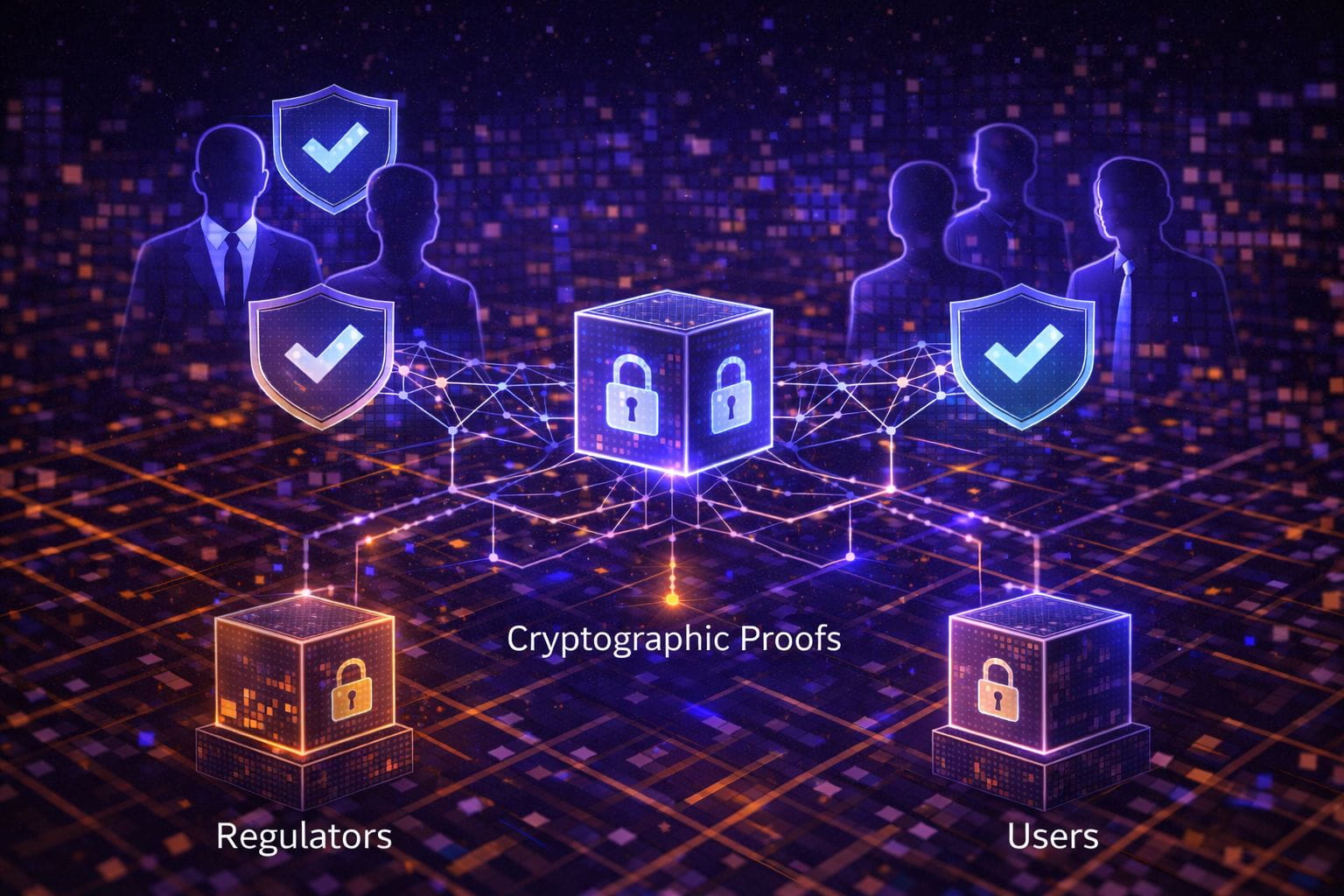
This approach becomes increasingly relevant as tokenized securities, real-world assets, and compliant financial products move to blockchain-based systems.
Privacy as a Requirement, Not a Feature
As Web3 moves beyond experimentation, infrastructure choices become less ideological and more practical. Serious liquidity follows systems that protect participants while maintaining enforceable rules. Markets that leak information struggle to retain long-term participation, regardless of speed or cost.
Dusk is positioning itself around this reality. Its focus is not on maximizing visibility, but on enabling markets to function efficiently, fairly, and securely at scale. In the next phase of on-chain finance, privacy is not about secrecy. It is about control, resilience, and trust.
Networks that understand this distinction are likely to shape the future of regulated, institutional-grade blockchain adoption.
