Walrus is built to fix a problem that many Web3 users don’t notice until it’s too late: silent data failure. This happens when apps seem to work, but their images, files, or content slowly disappear in the background. NFTs lose images, websites break, and apps show empty screens. The issue isn’t smart contracts, it’s unreliable storage. Walrus is designed to stop this silent failure by making data availability something the network must constantly prove.
Most decentralized storage systems assume that once data is uploaded, it will remain available forever. In reality, storage nodes come and go, incentives weaken, and no one checks if the data is still there. Over time, the system forgets files without warning. Walrus is built on a different assumption: data will disappear unless the network actively prevents it. This mindset changes storage from a passive service into something that must be maintained continuously.
To solve this, Walrus uses a smart storage design for large files. Data is broken into encoded pieces and distributed across many independent nodes. The system is built so the original file can still be recovered even if several nodes go offline. This makes Walrus resilient by default. Instead of copying full files everywhere, which is expensive, Walrus balances efficiency and safety in a way that works at real scale.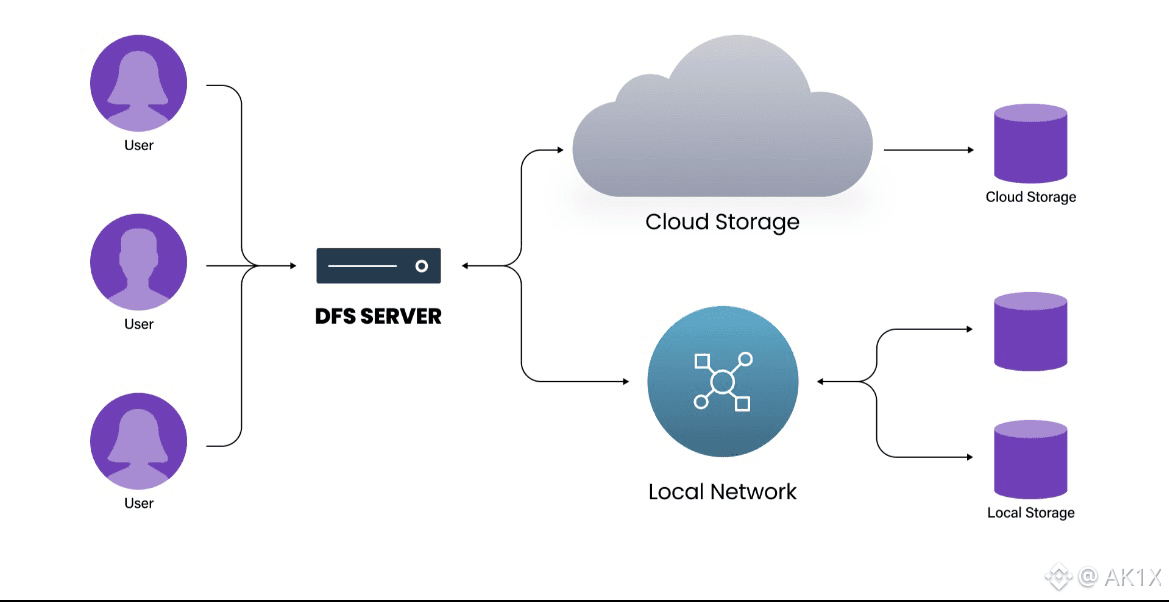
What truly sets Walrus apart is how it verifies storage over time. Nodes are required to regularly prove that they still hold the data they are responsible for. These proofs are random and cryptographic, making cheating extremely difficult. If a node fails to prove availability, it loses rewards. This creates a simple rule: storing data correctly is the only way to stay profitable. Reliability is enforced, not assumed.
As Web3 grows into AI, gaming, media, and real user applications, silent data failure becomes unacceptable. Apps need to trust their data layer the same way they trust blockchains for transactions. Walrus provides this missing layer. It doesn’t try to be flashy or loud. It focuses on one thing that matters long-term: making sure data is still there when users need it. That’s the kind of infrastructure Web3 needs to truly grow.