Vanar Chain begins with a simple but often ignored observation: most people do not care about blockchains. They care about what they can do with them. Games they enjoy, content they connect with, digital spaces that feel alive, and brands that know how to meet them where they already are. Everything about Vanar seems to flow from this understanding.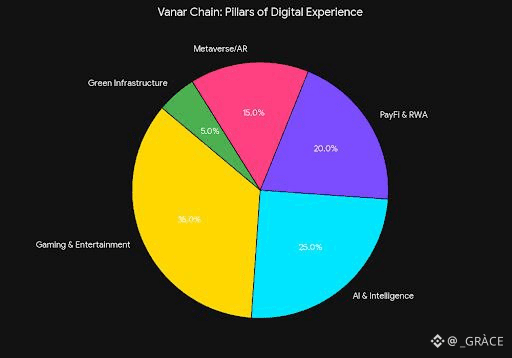
Instead of leading with technical superiority or abstract performance claims, Vanar is shaped around everyday digital behavior. People already spend hours playing games, watching streams, collecting digital items, and interacting inside virtual environments. Vanar treats these activities as the core of Web3, not as add-ons meant to prove a point. The technology exists to support experiences, not to dominate them.
This shift in perspective changes how the entire ecosystem feels. Users are not asked to learn new habits or rethink how they interact online. They are simply invited into experiences that work smoothly, feel intuitive, and do not constantly remind them they are using blockchain technology. The system is designed to stay out of the spotlight while doing the heavy lifting underneath.
Gaming plays a major role in this approach, but not in the way many chains frame it. Rather than focusing on isolated titles or short-term hype, Vanar supports continuity across digital environments. Identity, progress, and assets are not trapped in single applications. They move with the user. This reflects how people already expect modern platforms to work and removes one of the biggest points of friction that has slowed adoption in Web3.
Entertainment and creator-driven experiences follow the same logic. Creators are not forced to build around rigid technical constraints. They can focus on storytelling, interaction, and community, knowing the infrastructure will support scale without breaking immersion. For users, this means less confusion and fewer barriers between curiosity and participation.
The VANRY token fits quietly into this framework. It is not positioned as the main attraction or treated as something users must constantly think about. Instead, it functions as the connective layer that keeps the ecosystem aligned. Governance, participation, staking, and long-term incentives are handled in a way that feels integrated rather than overwhelming. The token supports the system without demanding attention from those simply trying to enjoy an experience.
This restraint is intentional. Many projects push users into complex financial mechanics before trust has been earned. Vanar takes the opposite path. It allows value to emerge naturally as people spend time inside the ecosystem. When users understand why something matters through experience rather than explanation, engagement tends to last longer.
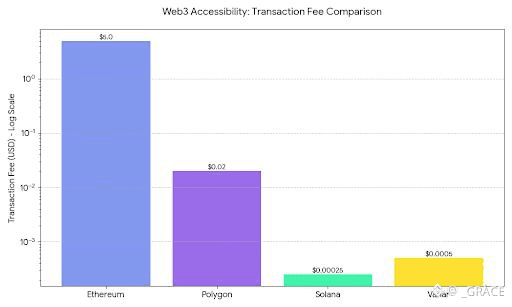
Performance choices reinforce this philosophy. Speed and low transaction costs are treated as baseline expectations, not marketing hooks. If something lags, costs too much, or feels unreliable, people leave. Vanar is built to remove those distractions so creators and users can focus on interaction rather than infrastructure.
Another important aspect is how the chain prepares for what comes next. AI-native design is not treated as a future upgrade but as part of the foundation. This allows developers to create environments that respond to users in real time, adapt to behavior, and evolve alongside communities. It moves digital spaces closer to feeling alive rather than scripted.
What stands out most is the project’s patience. Vanar does not appear interested in winning attention cycles or racing competitors to headlines. Progress feels measured and intentional. In an industry where noise often overshadows substance, this quiet confidence is noticeable.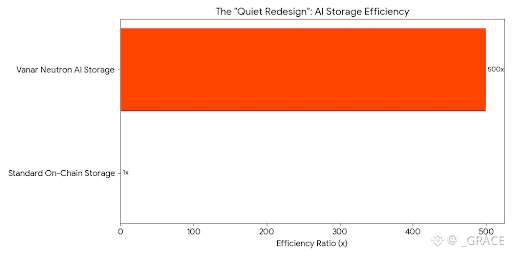
From observing the space over time, projects that prioritize usability tend to age better than those built around novelty. When systems respect how people already behave online, adoption becomes a natural outcome rather than a forced campaign. Vanar seems deeply aware of this dynamic.
On a personal level, this approach feels refreshing. After watching many technically impressive networks struggle to attract users beyond crypto-native circles, it is hard not to appreciate a project that puts comfort and familiarity first. Vanar does not try to sell a distant vision of Web3. It focuses on making the present experience better.
As the ecosystem grows, its design choices could compound in meaningful ways. Shared identities become more valuable. Connected environments feel richer. Creators benefit from stable foundations. Users gain confidence because everything feels cohesive rather than fragmented.
Vanar Chain is not trying to convince people to care about blockchain. It is quietly building experiences worth caring about. That difference may be subtle, but over time, subtle design choices are often the ones that matter most.