

Institutional Interest in Walrus (WAL)
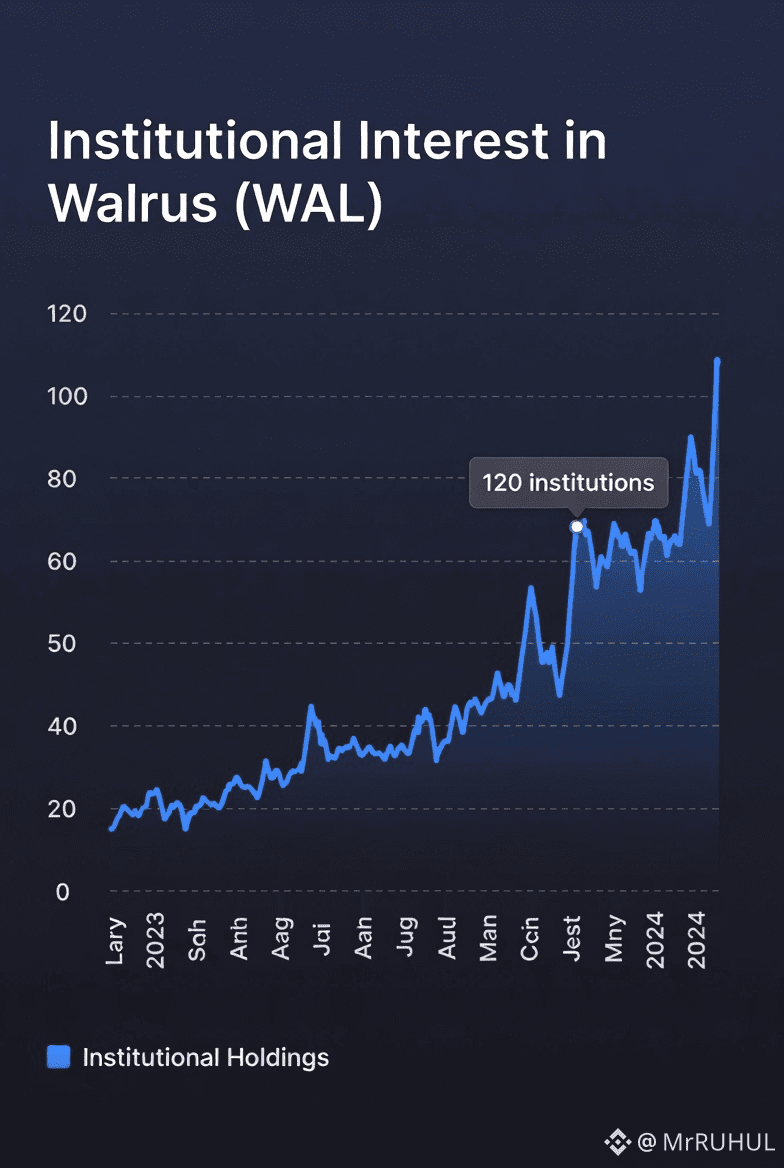
Web3 is finally growing up. Speculation isn’t enough anymore—institutions want solutions that actually work, that don’t break when you scale, and that play nice with compliance rules. That’s where Walrus (WAL) comes in. It’s a decentralized data storage and availability protocol, and it’s starting to show up on the radar for serious players. Walrus isn’t chasing hype. Instead, it’s building the kind of core infrastructure that both on-chain and off-chain systems need—exactly the sort of thing institutions look for when they think about technology that lasts.
Walrus solves a problem institutions know all too well: How do you store huge amounts of data reliably, at scale, and in a way you can actually verify? Banks, big companies, government agencies—they all live and die by their data. They can’t accept downtime or data they can’t audit. Sure, cloud storage works, but it’s centralized, locks you in, and the rules can be a black box. Walrus flips that script. It delivers the same performance you’d expect from traditional solutions but spreads out the risk, so there’s no single point of failure. That’s a big deal for anyone thinking about risk.
One thing that really stands out is Walrus’s focus on data availability, not just storage for storage’s sake. A lot of decentralized storage projects chase permanence, but then you lose out on speed and usability. Walrus goes the other way—it’s made for high-speed, always-on data access. That’s exactly what you need for things like DeFi, tokenized assets, decentralized identity, and on-chain analytics. If you’re settling trades, issuing assets, or doing real-time reporting, you can’t wait hours for your data. Walrus makes sure it’s always there when you need it.
Another big draw? Predictable costs and performance. Institutions can’t plan around wild price swings or economic models that change every month. Walrus bakes in clear incentives for both storage nodes and data publishers, so you can actually forecast expenses years down the line. For enterprises building at scale, that kind of clarity is non-negotiable. WAL—the native token—keeps everything running smoothly, tying usage to real economic activity instead of speculation.
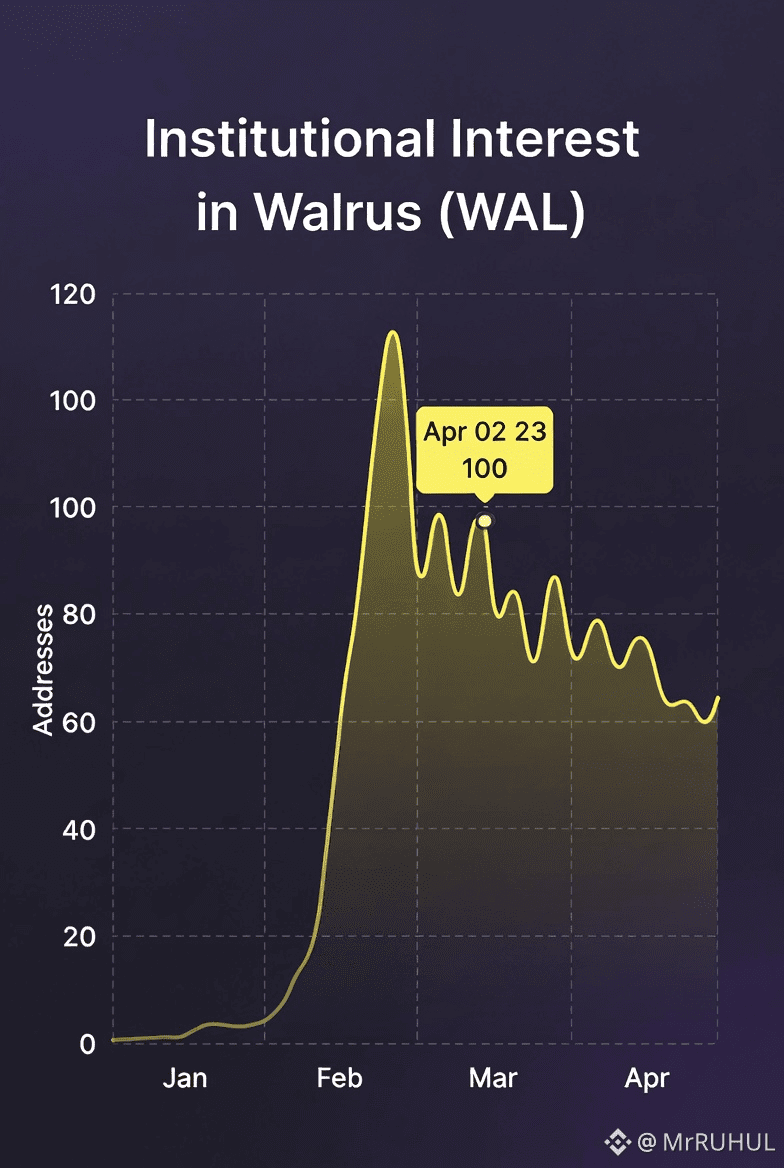
Compliance is always in the mix. Institutions don’t demand total anonymity; they want transparency—but on their terms. Walrus’s setup lets you prove your data is legit without dumping raw info out in the open. That’s critical if you’re answering to regulators or dealing with laws around data privacy and financial reporting. Walrus strikes a balance: data is auditable for those who need to see it, but protected from everyone else.
Integration is another area where Walrus shines. It’s not trying to trap you in one ecosystem. Instead, you can plug Walrus into different chains, apps, or even legacy enterprise systems. That flexibility makes it way easier for big organizations to experiment and adopt new tech without ripping out everything that already works. They can roll out Walrus bit by bit, department by department.
Custodians, infrastructure providers, and validators are watching too. Walrus opens up new revenue streams tied to real network demand. Running storage nodes or offering data services here isn’t about chasing token price swings—it’s about providing backbone infrastructure, kind of like institutions did with cloud computing in the early days. Suddenly, WAL isn’t just a speculative bet, it’s a utility token linked to actual usage.
What really matters is Walrus’s long-term vision. Institutions aren’t chasing quick wins—they want to stake out territory in a Web3 world that’s getting more regulated and more real. As blockchain moves into finance, government, healthcare, and supply chains, having reliable, available data is way more important than just raw transaction speed. Walrus is built for that reality, which is why institutions are keeping a close eye—even if they’re moving carefully.
Bottom line: Institutions are interested in Walrus (WAL) because it’s got the fundamentals right. Data availability, predictable costs, compliance, and flexibility—it checks the boxes that actually matter when you’re building for the long haul.@Walrus 🦭/acc #Walrus $WAL

