

In most blockchain designs, bridges show up late. They are added after the main system is live, once teams realize users want to move assets and data across environments. By then, bridging is treated as a utility feature. Useful, but not foundational. Dusk takes a different view. From the start, it treats cross-layer movement as part of the network’s core structure. Not an add-on. Not a workaround. More like a hallway that everything naturally passes through. That framing matters because Dusk is not trying to be a single all-purpose chain. It is building a modular system where different layers do different jobs. In that setup, the bridge is not optional. It is what makes the system feel like one network instead of two loosely connected chains.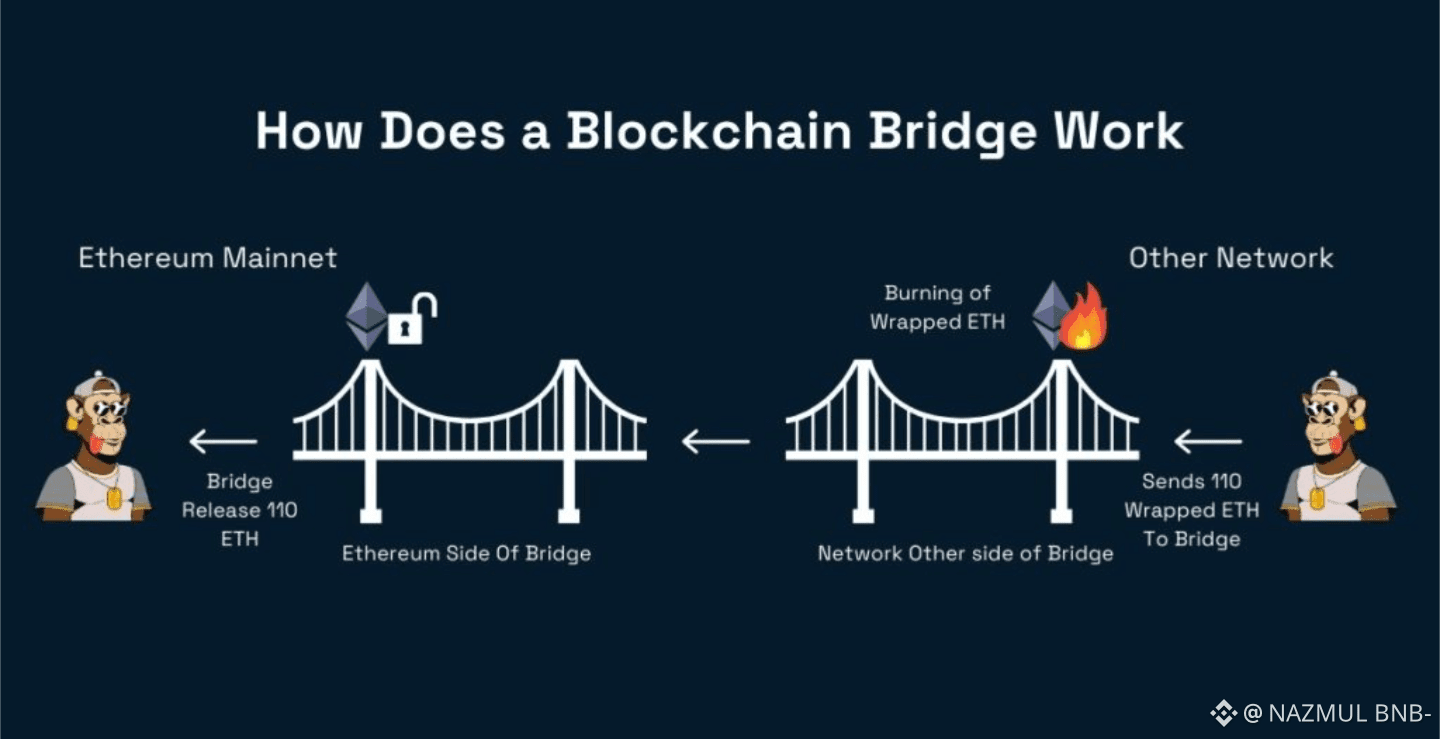
At the base of the system is Dusk Network’s settlement layer, often referred to as DuskDS. This layer is designed around the things financial systems care about most: strong consensus, reliable settlement, and a transaction model that supports privacy and compliance. On top of that sits DuskEVM, an Ethereum-compatible execution environment. Its role is different. It focuses on developer experience. Solidity works. Familiar tools work. Teams can build without relearning how execution behaves. On paper, this split is clean. One layer is optimized for correctness and finality. The other is optimized for speed and usability. But that clarity only holds if assets and messages can move between the two without friction. Without a native bridge, users would be forced to choose where to live. Liquidity would split. Applications would have to work around the boundary instead of benefiting from it. Dusk’s decision to make bridging native is what keeps modularity from turning into fragmentation.
This is where the token design quietly reinforces the architecture. Dusk positions DUSK as the single native asset across the entire stack. It is tied to the base layer’s economics, while also being used as gas on DuskEVM. That choice avoids a common modular trap. Many multi-layer systems end up with two tokens. One secures the base layer. Another pays for execution. Over time, those systems develop two separate economies. Incentives drift. Users get confused. Liquidity spreads thin. By keeping DUSK as the common denominator, cross-layer movement feels less like swapping representations and more like moving the same asset between environments. For users, that simplicity matters. For developers, it reduces edge cases. For the network, it keeps incentives aligned without adding extra moving parts.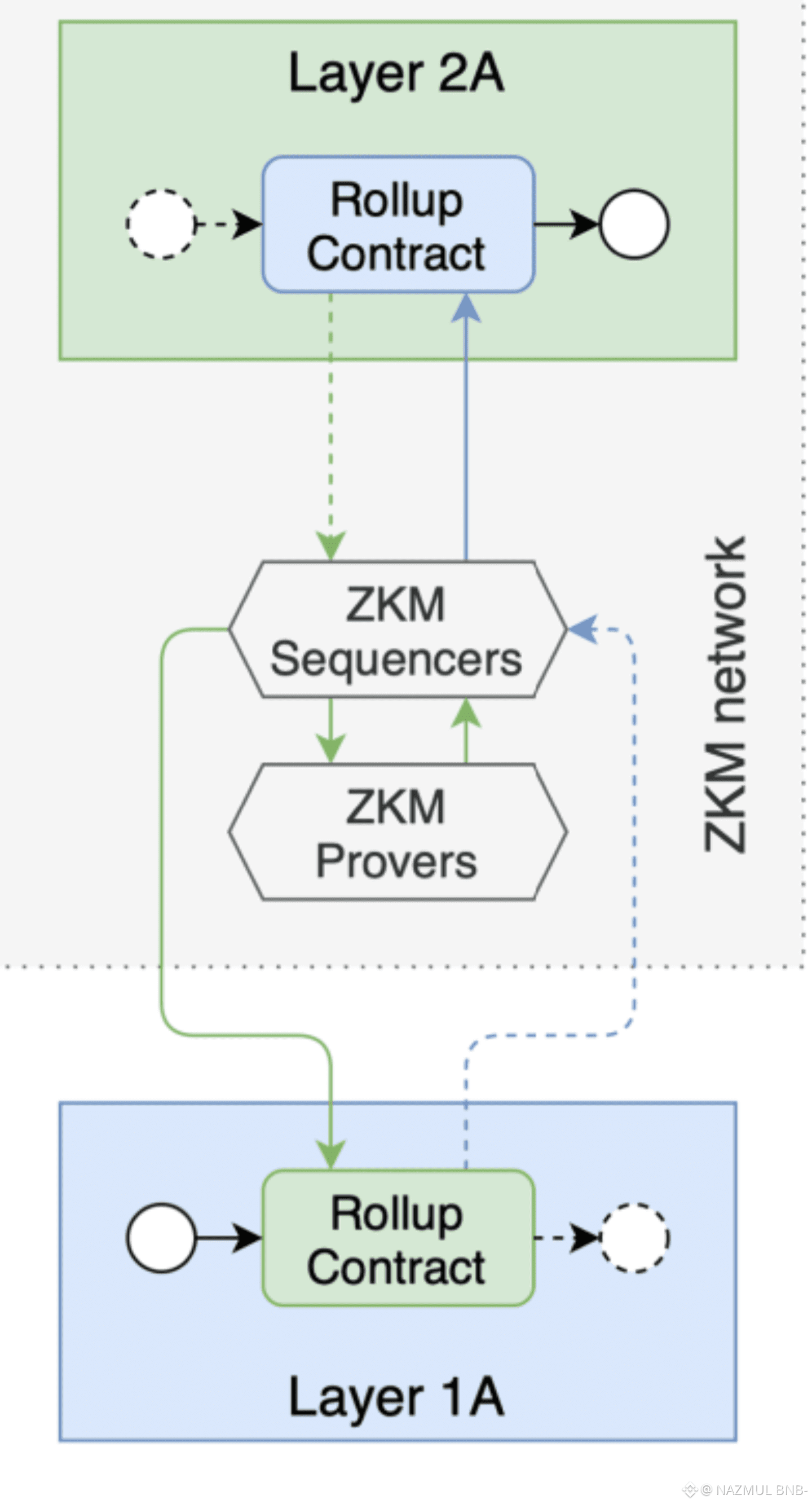
There is also a deeper design question that Dusk answers clearly: where is truth recorded? In a modular system, execution and settlement are no longer the same thing. DuskEVM runs application logic. Contracts execute. Outcomes are produced. But final truth lives on the settlement layer. DuskDS is where canonical records are anchored. The bridge is how those outcomes move back and forth without weakening that anchor. Think of it like a checkout counter. You can browse and interact freely on the floor, but the receipt is issued at the register. This mental model keeps responsibility clear. Execution can evolve quickly. Settlement stays conservative. Bridging is what connects speed with certainty. If that connection is unreliable, modularity becomes friction. If it works well, the separation actually makes the system easier to reason about.
This approach starts to show its value when you look at real use cases. Consider regulated assets or workflows that need stronger guarantees around settlement and record keeping. Those pieces can stay close to the base layer, where privacy features and consensus rules are designed with that in mind. At the same time, applications can still use an EVM environment when it makes sense. Fast interactions, familiar tooling, and established patterns all live on DuskEVM. Assets and results move across layers as needed. Liquidity is not trapped. Developers are not forced into one compromise environment. Over time, this flexibility can make the network feel less like “two chains” and more like “one system with two engines,” each doing what it does best.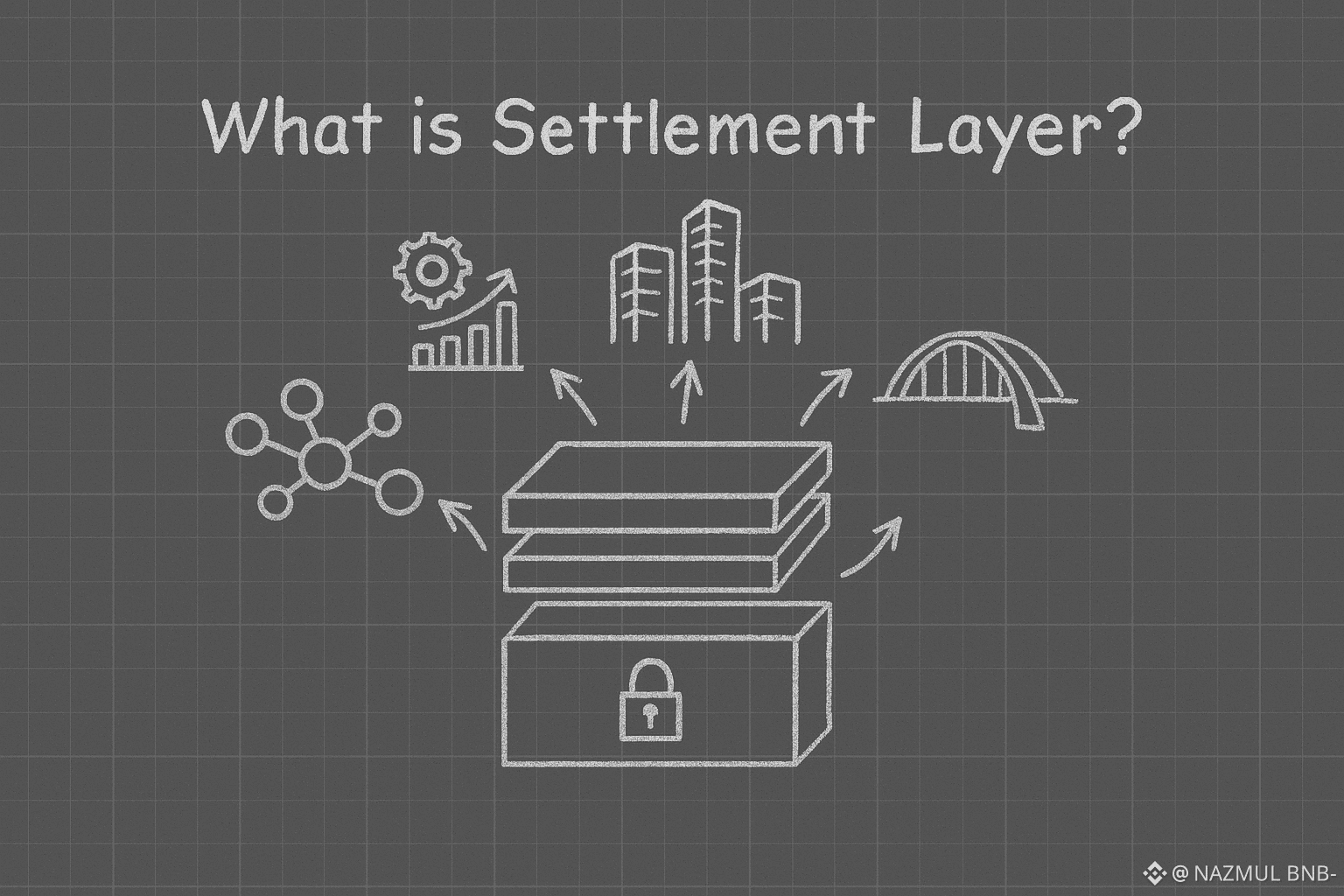
Of course, treating the bridge as core infrastructure raises the bar. When bridging is central, its reliability matters as much as consensus or execution. Failures are no longer isolated inconveniences. They affect the whole system. That means security, monitoring, and clear user expectations are not optional extras. Dusk’s design implies a careful balance: fast enough to be usable, conservative enough to be trusted. The payoff is coherence. When cross-layer movement is native, users do not have to think about which chain they are on. Developers do not have to design around artificial boundaries. Value flows to where it is most useful and returns to settlement when it matters. In that sense, the bridge is not just infrastructure. It is what makes the rest of the architecture make sense.
