
What truly supports a crypto asset’s long-term value when short-term narratives fade and market noise takes over? VANRY (Vanar Chain) has increasingly been evaluated through the lens of its tokenomics rather than price movement alone, as recent ecosystem updates have placed measurable emphasis on utility-driven demand. VANRY operates as the native token of Vanar Chain, a Layer-1 blockchain designed for AI, gaming, and immersive digital environments, where token usage is embedded into network operations rather than positioned as a passive asset. This functional role forms the baseline for understanding how value support is structured at the protocol level.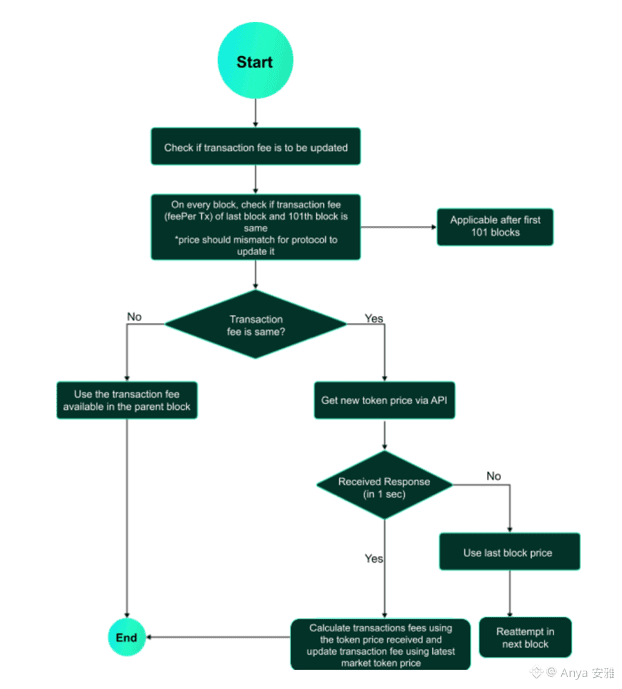
At the core of VANRY’s tokenomics is its use as a network utility token, required for transactions, smart contract execution, and interaction with applications built on Vanar Chain. Publicly available ecosystem documentation confirms that VANRY is used for fees, platform access, and participation across on-chain services. This creates consistent transactional demand that scales with network usage, an observable dynamic distinct from tokens whose circulation is primarily speculative. Anya notes that this design ties token movement directly to ecosystem activity rather than external sentiment alone.
Recent platform expansions have reinforced this utility model. Vanar Chain has continued rolling out infrastructure aimed at supporting AI-driven applications and gaming environments that require frequent, low-latency on-chain interactions. As applications integrate these capabilities, on-chain data reflects steady transaction flows linked to real usage. This relationship between application growth and token circulation is a foundational element of VANRY’s economic structure and a key contributor to sustained network relevance.
Token distribution mechanics also play a role in value support. VANRY’s migration from its earlier TVK structure consolidated its economic model under a single chain-focused framework, simplifying token function and aligning incentives across users, developers, and the network. Exchange disclosures and supply data indicate that VANRY’s circulating supply is actively engaged across multiple trading venues, supporting liquidity while maintaining accessibility for ecosystem participants. This balance between availability and functional demand is central to how the token operates within the market.
Market behavior further illustrates how tokenomics interact with broader conditions. VANRY’s price action and volume trends have generally followed mid-cap utility token patterns, showing sensitivity to overall market liquidity rather than abrupt, isolated movements. Exchange activity demonstrates consistent trading access, which allows price discovery to occur alongside ongoing on-chain usage. Anya observes that such conditions often reflect a token supported by structural demand rather than episodic interest.
The influence of Bitcoin (BTC) remains a key external factor shaping VANRY’s market dynamics. During periods of rising BTC dominance, capital rotation toward large-cap assets has historically reduced relative volume across infrastructure and AI-focused tokens, including VANRY. Conversely, when BTC volatility moderates, mid-cap utility tokens tend to regain attention, allowing ecosystem-driven metrics to become more visible. This cyclical behavior situates VANRY within broader crypto market mechanics rather than isolating it from them.
Comparative sector analysis provides additional context. AI, gaming, and infrastructure tokens have shown more consistent on-chain engagement compared to purely narrative-driven assets during recent market phases. VANRY’s activity profile aligns with this segment, where token usage is linked to application interaction rather than trend-driven trading alone. This distinction is supported by observable differences in volume stability and transaction patterns across sectors.
Liquidity movement within VANRY’s trading environment further reinforces its tokenomic structure. While speculative capital often enters and exits rapidly, utility-based demand tied to fees and platform access tends to persist. VANRY’s presence across established exchanges facilitates this ongoing circulation, enabling the token to function simultaneously as a market asset and a network utility. These characteristics are visible through steady liquidity metrics rather than abrupt spikes.
On-chain indicators also contribute to understanding value support. Growth in transactional activity, active addresses, and application-linked token transfers suggests expanding participation within the ecosystem. Such indicators are commonly associated with networks where tokenomics are aligned with usage, providing measurable signals of engagement independent of short-term price action. Anya sees these metrics as objective reflections of how the token is being utilized.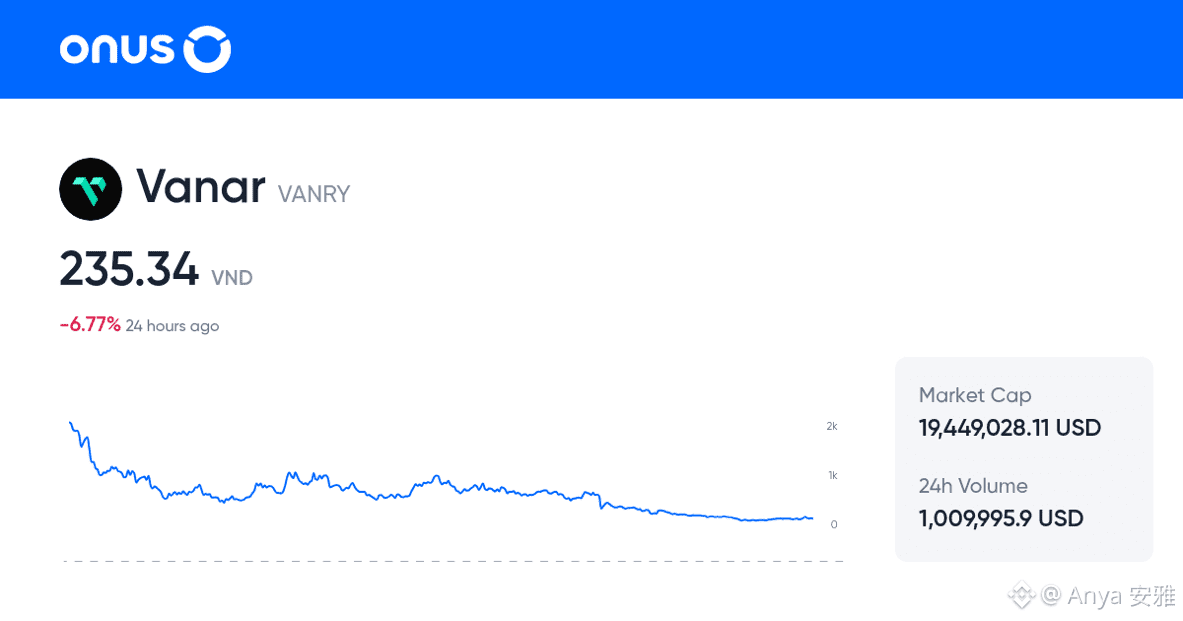
Taken together, VANRY’s tokenomics reveal a structure grounded in verifiable utility, ecosystem integration, and market-aligned supply mechanics. Rather than relying on narrative momentum, value support is linked to how the token functions within Vanar Chain, how it circulates through applications, and how it responds to broader crypto market forces led by Bitcoin. Anya concludes through observable data that these factors collectively explain what actually supports VANRY’s long-term value within an evolving digital asset landscape.

