
It feels strange to let software decide what is true about our identity or our money. Code does not feel nervous, it does not hesitate, and it does not carry guilt. Yet we ask it to approve transactions, check who we are, and judge whether something is allowed. When this goes wrong, there is no face to look at, only a system that says yes or no.
Dusk was created for this uncomfortable space. Not to replace banks, laws, or people, but to make digital finance behave in a more careful and realistic way. The team behind it started from a simple problem. In real life, money systems depend on both privacy and control. A bank needs to know who you are. Regulators need to check records. But strangers do not need to see your balance or your documents. Most blockchains struggle with this balance. They either expose too much, or hide things in ways that are hard to accept in legal or financial environments. Dusk tries to design around this tension instead of ignoring it.
On the network, transactions can prove that rules were followed without showing private details to everyone. A user can show they are allowed to use a service without publishing their identity. Asset ownership can move from one person to another without turning personal history into public data. It works more like traditional paperwork stored in secure offices, not like files pinned to a public wall. The goal is not to make users invisible, but to let information appear only when there is a real reason for it to appear.
The system itself is built to be steady rather than flashy. Changes are slow and deliberate. Smart contracts are written in a way that favors clear logic over creative shortcuts. The idea is that financial infrastructure should behave like a bridge or a railway. It should be boring, predictable, and hard to break. When people build applications on Dusk, they are encouraged to think about long term behavior, audits, and mistakes that might happen years later, not just what works today.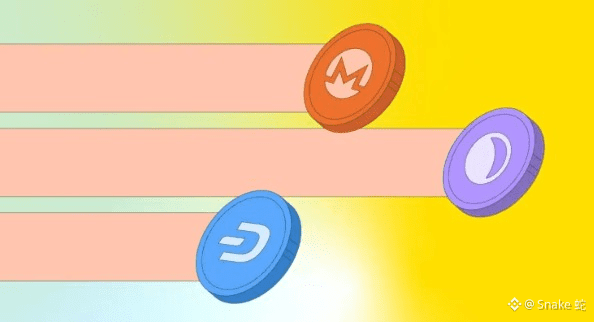
This design matters when real financial assets are placed on the network. Things like shares, bonds, or fund units become digital objects, but their rules still apply. Who can own them, who can see them, and how they move are all controlled carefully. The technology does not try to change how finance works. It tries to give it a digital form that does not collapse under legal or operational pressure.
Within this system, the DUSK token plays a quiet role. It is used to pay for activity on the network and to help secure it. It exists to keep the machinery running, not to define the story around it.
Of course, this approach is not perfect. Building technology that fits inside laws means moving slowly, and sometimes missing new ideas that grow in more experimental spaces. Privacy tools, even when designed responsibly, are still hard to explain to courts and regulators who prefer simple documents to complex mathematics. And any network that welcomes large institutions must deal with the risk that power slowly gathers in a few hands. These are not disasters, but they are real tensions that design alone cannot remove.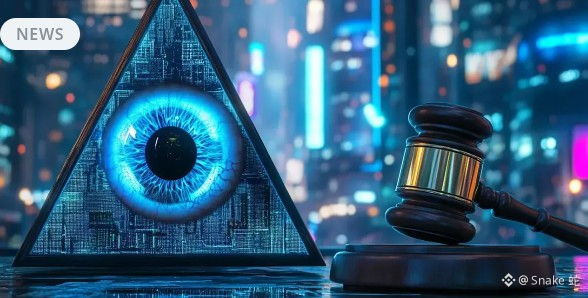
What I find interesting is not whether Dusk will succeed or fail, but what it represents. We are slowly teaching machines to handle trust, responsibility, and proof, things that used to live only in human judgment. Maybe this is progress. Or maybe it is just another way of placing distance between ourselves and the weight of our own decisions. I am not sure yet which one it is.
