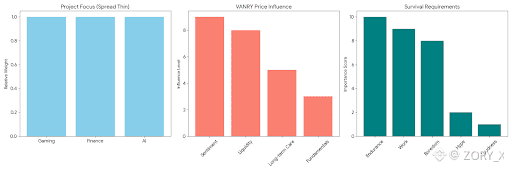
I have been doing this long enough to recognize the smell of a pitch before the deck even opens and Vanar smells like one of those projects that wants you to believe it has cracked the code on real world adoption by stitching together gaming entertainment brands AI and whatever else happens to be trending this quarter into a single Layer 1 narrative that sounds coherent until you sit with it for more than five minutes. I am tired already.
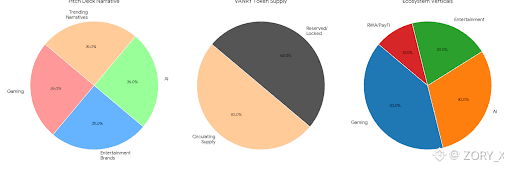
Vanar backstory matters whether the marketing copy likes it or not. In my experience chains do not emerge fully formed they mutate. Rebrands happen because something did not quite work the first time. Sometimes that is fine. Sometimes it is a quiet admission of failure dressed up as progress. When a project swaps tokens renames itself and starts talking about the next three billion users I do not hear ambition I hear urgency. And urgency in crypto usually means the clock is ticking.
Technically yes Vanar is EVM compatible. Geth based. Familiar tooling. Developers do not have to relearn the world. That is smart. It is also the bare minimum. Every second new chain says the same thing and most of them still end up as empty block explorers with a handful of test transactions and a chat room arguing about price. Compatibility does not create demand. It just removes an excuse.
The fixed fee story is where my eyebrow goes up. Predictable costs sound great when you are trying to onboard normal users who do not care about gas mechanics or token economics. But fixed according to whom. I have watched enough stable systems wobble under stress to know that someone always pays the bill when volatility spikes. Fees do not magically stay fixed because a document says so. Humans intervene. Parameters change. Central control creeps in quietly at first then all at once. This is where theory meets the real market and the market does not care about your intentions.
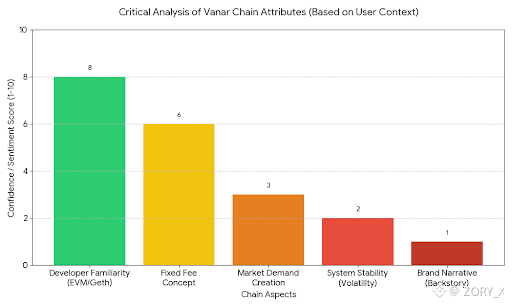
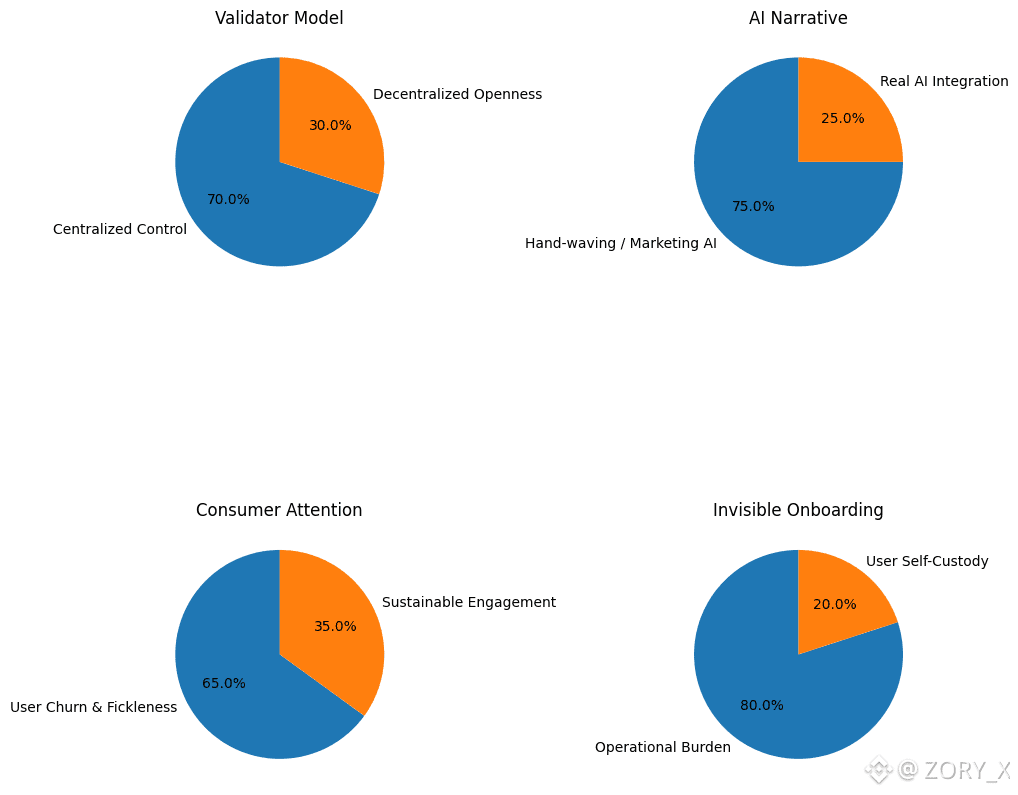
Then there is the validator model. Proof of Authority now reputation driven openness later. I have heard this before. Many times. Later is a flexible word in crypto. Right now control sits with a small group anchored to a foundation. That gives you speed. It also gives you a single point of trust. Call it pragmatic if you want. Just do not call it decentralized with a straight face. Who are we kidding.
Vanar flirtation with AI does not help. I am not anti AI I am anti hand waving. Every project now claims some AI angle usually without explaining what actually runs on chain what is off chain and who is responsible when the system behaves badly. Real AI integration is hard expensive and unforgiving. Slapping the label on your infrastructure does not make those problems go away. It just delays the moment when someone asks uncomfortable questions.
The consumer angle Virtua gaming networks metaverse assets at least puts Vanar closer to something tangible. I will give it that. I have seen chains with no products at all try to sell themselves as platforms. That never ends well. But entertainment is a brutal business. Users churn. Trends die. Licensing deals get renegotiated or dropped. Building a blockchain around consumer attention means inheriting consumer fickleness. That is not a flaw. It is a risk. A big one.
Invisible onboarding is another familiar promise. Hide the wallet. Hide the keys. Make it feel like Web2. I understand the instinct. I have also watched teams drown under the operational weight of that decision support tickets account recovery fraud compliance headaches angry users who do not care that blockchain is hard. If you take responsibility away from the user you take responsibility onto your balance sheet. Most teams underestimate that. Badly.
And then there is the token. Always the token. VANRY is supposed to power everything align incentives grease the wheels. In reality it trades on sentiment liquidity and whether anyone still cares in six months. Markets are cruel but efficient in one way they price doubt fast. When a token sits quietly while the narrative shouts that gap tells you something. You just have to be willing to listen.
What bothers me most is not that Vanar might fail. Most projects do. It is that the story feels spread thin gaming here finance there AI somewhere in the middle like a hedge against not knowing which door will open. In my view focus beats optionality almost every time. Especially when money gets tight and patience runs out.
I have seen this cycle repeat for over a decade now new chain new promise same human problems underneath and the ones that survive are not the loudest or the cleverest they are the ones that endure boredom criticism and long stretches where nobody is clapping. The real question for Vanar is not whether it can attract users today. It is whether it can survive the moment when the hype leaves and only the work remains.