


In blockchain networks, real yield for stakers reffers to the sustainable inflation-adjusted returns after accounting for token emissions .. fee burns 🥵 operational prices and value accrual mechanisms—distinct from nominal APRs that may rely heavily on temporary incentives.
@Plasma stands out by tying XPL staking rewards directly to its stablecoin-focused architecture. 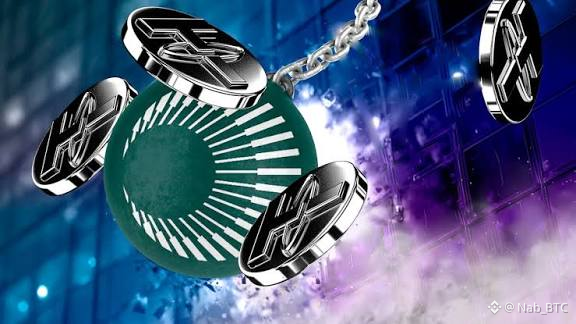
Validators secure the network via PlasmaBFT consensus, earning rewards funded primarily through non-USDT transaction fees (since USDT transfers are zero-fee via native paymaster sponsorship).
A significant portion of these fees followed an EIP-1559-style model , base fees are permanently burned, creating deflationary pressure on XPL supply.
This heats mechanism recycles economic activities to from high-volume stable coin usage back into token scarcity enhancing long-term holders value without relying solely on inflationary emissions.#Plasma 
Unlike general-purpose chains, Plasma's model benefits from dominant stablecoin flows.
As network throughput grows—driven by instant, low-cost USDT and custom gas token payments—non-payment fees (from DeFi, bridging, or other activity) contribute to staker rewards.
The protocol directs validator incentives towards block proposers and attesters while subsidizing pay master operations are creating a balanced distribution that it supports security without 🥰excessive dilution.
Comparisons to major competitors:
Ethereum:
$ETH Stakers earn from priority fees and MEV after the merge and burns, but high base fees and variable gas costs lead to inconsistent real yields, often diluted by issuance during low-activity periods.
Solana:$SOL
High nominal staking yields come from inflation-heavy schedules, but real yields suffer from rapid emissions and competition among validators, with limited direct fee burns tied to usage.
Tron:
Relies heavily on stablecoin transfer fees (especially USDT), but rewards favor resource delegation models with less aggressive burning, resulting in more inflationary pressure over time.
 Plasma prioritizes real yield through deflation via burns and usage-driven fees, positioning XPL stakers to capture sustainable value from global stablecoin settlement rather than broad speculation. This focus on payment efficiency creates a flywheel: increased stablecoin volume boosts network fees from composable activity, burns $XPL and rewards stakers—offering stronger alignment for long-term economic security compared to chains with heavier reliance on token inflation.