
When looking at how Dusk Network has evolved, it becomes clear that partnerships sit at the center of its strategy. Rather than chasing short-term visibility, the foundation has focused on building relationships with institutions that actually need blockchain infrastructure banks, exchanges, asset issuers, and regulated platforms.
This approach feels deliberate. Traditional finance doesn’t move quickly, and it doesn’t experiment lightly. It looks for systems that respect privacy, fit regulatory frameworks, and can operate reliably at scale. Dusk appears to have shaped itself around those expectations rather than pushing against them.
Over time, we’re seeing that decision pay off.
NPEX and Quantoz as Cornerstones
One of the most meaningful developments has been the collaboration with NPEX, a regulated Dutch exchange focused on digitizing equities and financial instruments. Through this partnership, hundreds of millions of euros in assets are being prepared for on-chain settlement using Dusk’s infrastructure.
What stands out here isn’t the concept of tokenization that idea has existed for years but the execution. Trades can settle instantly while sensitive information remains private. Ownership details, trade sizes, and counterparty data are protected, yet auditors can still verify everything through cryptographic access.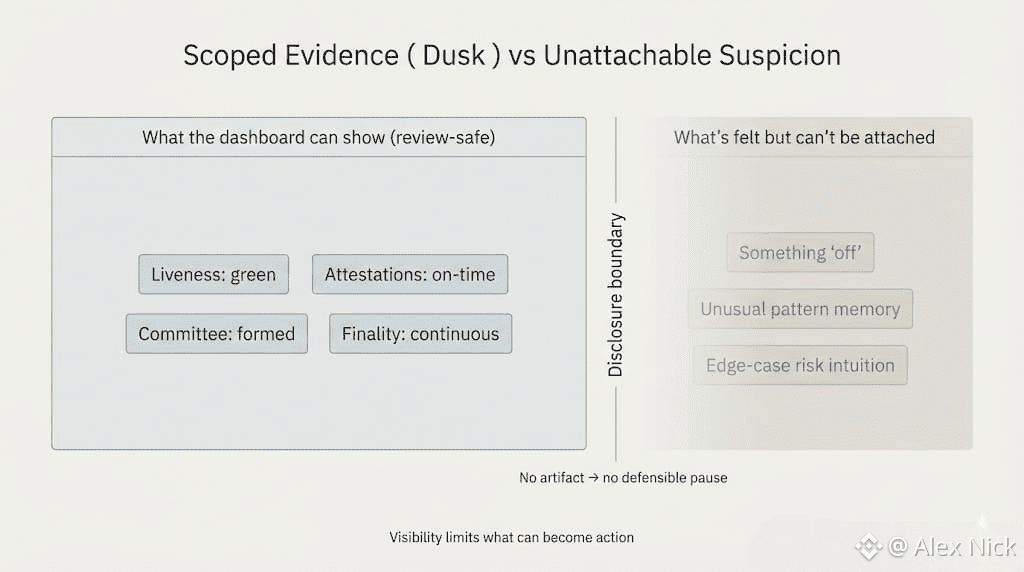
Alongside NPEX, Quantoz brings stablecoin infrastructure designed specifically to comply with European regulation. This allows tokenized assets to move through regulated rails from issuance to settlement without breaking compliance at any stage.
It becomes obvious that these aren’t test environments. These are live financial workflows being transferred onto blockchain rails.
For smaller companies, especially, this opens doors that were previously closed. Issuing shares or debt no longer requires massive upfront costs or layers of intermediaries. Governance and dividend distribution can happen on-chain without exposing shareholder lists publicly.
I’m reflecting on how different this feels from early crypto experiments. This is infrastructure being adopted quietly, not debated loudly.
Chainlink and Cross-Chain Connectivity
Another major piece of the institutional puzzle comes from Dusk’s integration with Chainlink. For real-world assets to function across blockchains, pricing data, settlement logic, and compliance information must remain consistent everywhere they move.
Chainlink’s cross-chain messaging and oracle services allow tokenized assets on Dusk to interact with external ecosystems without losing their regulatory safeguards. Pricing updates arrive in real time. Transfers remain verifiable. Privacy protections stay intact.
What this solves is isolation.
Traditionally, regulated assets are trapped inside closed systems. With this setup, assets can move between networks while preserving the rules attached to them. Liquidity broadens without sacrificing oversight.
From what I can see, this is one of the first times cross-chain functionality is being built with institutions in mind rather than speculation.
Broader Institutional Momentum
Beyond these flagship partnerships, Dusk has continued expanding its institutional footprint. Regulated trading venues are exploring on-chain settlement. Banks are testing tokenized funds. Supply-chain pilots examine how provenance can be verified without revealing sensitive commercial data.
In each case, privacy isn’t an optional feature. It’s the foundation that makes participation possible.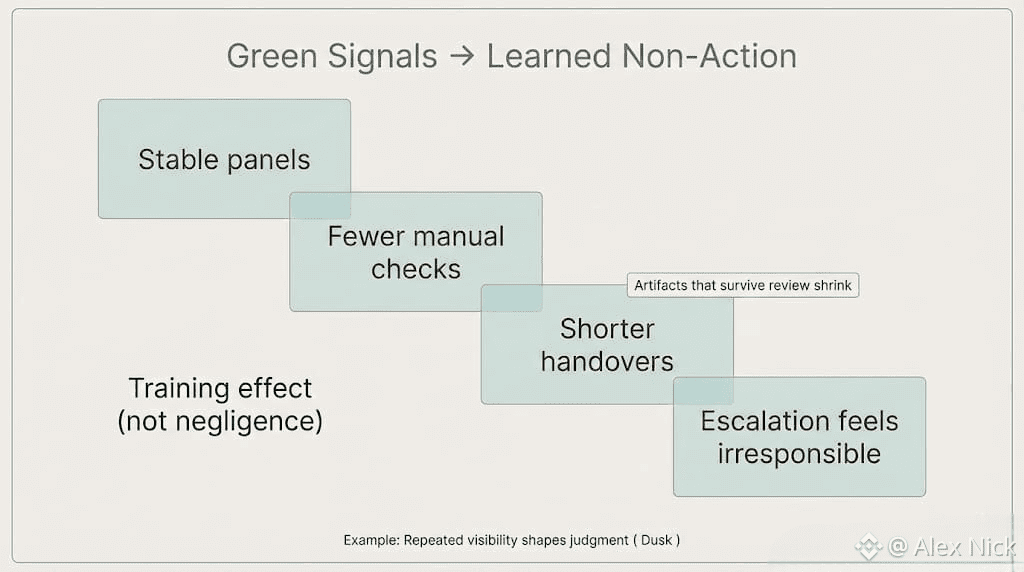
The network’s consensus model provides fast finality, which matters deeply for securities markets. Settlement delays aren’t tolerated in regulated environments, and Dusk’s structure accommodates that need without sacrificing decentralization.
As European regulatory frameworks like MiCA come into effect, having infrastructure already aligned becomes a major advantage. Instead of retrofitting compliance, Dusk was designed with it from the beginning.
We’re seeing the difference now.
What This Means for the Ecosystem
Institutional participation doesn’t only benefit large players. It strengthens the entire network.
More assets bring more activity. More activity increases staking participation. Developers gain confidence that what they build has long-term demand rather than short-lived hype.
Applications across the ecosystem from decentralized exchanges to lending tools benefit from deeper liquidity and more predictable behavior. Privacy reduces exploitative trading practices. Compliance expands access.
This creates a healthier environment overall.
A Quiet Shift Taking Place
When stepping back, the most interesting thing about Dusk’s institutional strategy is how little noise surrounds it.
There are no grand claims of replacing global finance overnight. No promises of instant disruption. Just consistent integration, one regulated partner at a time.
It feels similar to how financial infrastructure has always evolved slowly, carefully, and often out of public view.
As these partnerships continue to grow, Dusk begins to resemble something more permanent than a typical blockchain project. It starts to look like connective tissue between old systems and new ones.
And as privacy, compliance, and programmability increasingly converge, it raises an important thought.
Perhaps the future of blockchain adoption won’t arrive through rebellion against regulation, but through cooperation with it built quietly by networks like Dusk, where trust isn’t demanded, but earned.
