
Plasma moves into 2026 with a level of focus that feels rare in crypto. Instead of chasing attention it is executing a plan built around one clear idea. Stablecoins have become too important to rely on general purpose chains that were never designed for pure payments. As I follow the roadmap it feels obvious that Plasma is betting on durability rather than hype. The project is aligning privacy friendly transfers Bitcoin liquidity and developer tooling around a single goal which is to become the default settlement layer for digital dollars moving at global scale.
The strategy fits neatly with international pressure to reduce cross border transfer costs to under one percent. Plasma positions itself as neutral infrastructure beneath exchanges wallets neobanks and merchant networks. Full mainnet activation arrives early in the year followed by a steady wave of applications and regional rollouts that test real world reliability. If USDT and similar assets begin routing meaningful volume through this network then XPL stops being a speculative token and starts behaving like infrastructure capital that secures and monetizes global value flows.
A Year of Carefully Timed Network Upgrades
Plasma approaches 2026 in phases rather than rushing features out at once. The first major step is staking delegation which allows token holders to earn yield by supporting professional validators without running infrastructure themselves. I see this as a deliberate response to upcoming supply unlocks because it encourages long term holding while strengthening network security at the same time.
Alongside delegation the Bitcoin bridge becomes active after extensive testing. This enables the minting of pBTC which allows Bitcoin holders to lend settle and interact with stablecoin markets without trusting custodians. The impact here is significant because it brings dormant Bitcoin liquidity into productive use without compromising ownership.
Later in the year Plasma introduces confidential payment functionality. Transaction amounts and participant details can be shielded while still allowing optional disclosures for compliance. This is aimed squarely at enterprises that need privacy without sacrificing auditability. It clearly separates Plasma from transparent chains that struggle to serve regulated use cases.
Consumer adoption accelerates through Plasma One which expands internationally with debit cards yield bearing balances and cashback. Every transaction becomes a real stress test of the network at scale. Grants from the ecosystem fund support lending markets derivatives and structured products designed specifically for stablecoin pairs. The roadmap stretches further but 2026 is about proving that specialization wins when infrastructure is tested in real conditions.
How Developers Build DeFi Products on Plasma
Building on Plasma feels familiar to anyone coming from Ethereum but the experience is faster and cheaper. Developers use standard Solidity and existing tooling while benefiting from network level optimizations that remove friction for users.
A lending application for USDT begins by connecting to the Plasma network and using existing contract standards for vaults and pools. Gas abstraction is handled automatically through the protocol paymaster so users interact using stablecoins rather than a volatile native asset. From my perspective this alone removes one of the biggest barriers to adoption.
Testing is done against a live network mirror and deployment is straightforward using existing wallet tooling. Contracts are verified instantly on the explorer and frontends connect using standard libraries. Users approve USDT once and then interact without gas prompts or failed transactions.
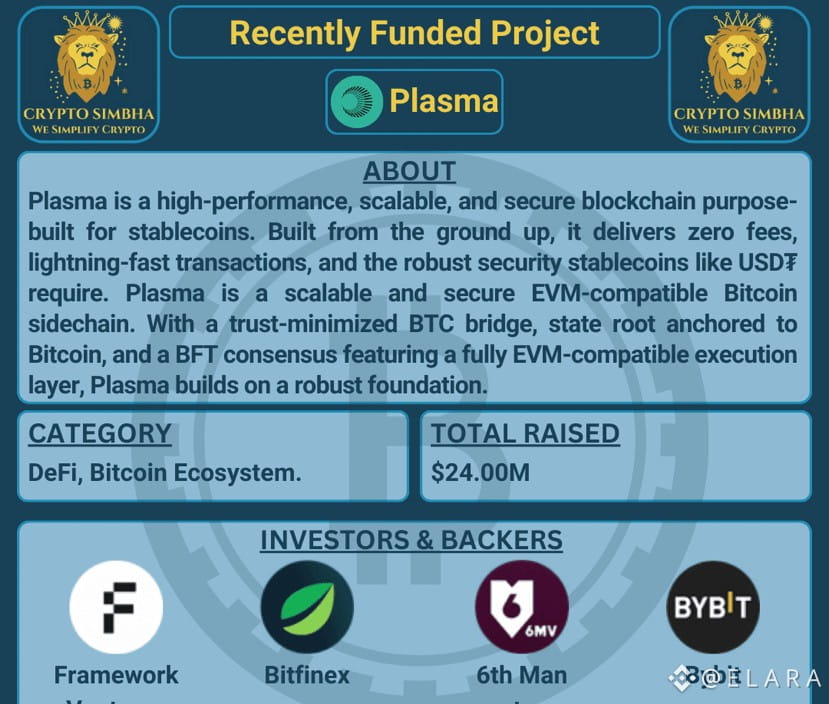 Liquidity is supported through ecosystem incentives where developers can apply for matching rewards based on value locked. Governance is handled through XPL voting which allows communities to adjust parameters over time. Teams report massive cost savings compared to deploying on other high throughput chains while retaining full compatibility with Ethereum tooling.
Why Plasma and Solana Serve Different Worlds
Plasma and Solana are often compared because both target high throughput but their philosophies diverge sharply. Plasma is engineered specifically for stablecoin settlement where predictability matters more than headline transaction numbers. Finality is deterministic and arrives in under half a second even under sustained load.
Solana can reach impressive peaks but real world performance fluctuates when speculative activity surges. Fees vary and outages have occurred when demand spikes unexpectedly. For payments this variability becomes a problem. Plasma avoids this by isolating payment flows from speculative noise and keeping base layer transfers effectively free through paymasters.
Developer experience also differs. Plasma supports Solidity natively which allows rapid migration from Ethereum. Solana requires teams to rewrite applications in a different language and adapt to a different execution model. For teams building payment and lending products this difference matters.
Security models diverge as well. Plasma anchors state commitments to Bitcoin which adds an external layer of assurance. Solana operates independently without this fallback. Stablecoin volume reflects the contrast. Plasma concentrates value around payments while Solana spreads activity across many unrelated use cases.
Managing Risk While Scaling Utility
Supply unlocks and market volatility remain risks in 2026 but Plasma counters these through incentives that reward participation. Delegation absorbs circulating supply and rising usage generates burns that offset emissions. Privacy features require careful auditing but the team has built expertise in this area from the start.
Competition is intense but specialization creates a moat. Stablecoins account for the majority of on chain volume globally and Plasma designs every layer around that reality. General purpose chains would need to abandon parts of their identity to compete directly.
A Network Built to Disappear Into Daily Life
What stands out most to me is how Plasma aims to become invisible. If it succeeds users will not think about the chain at all. They will simply send receive and spend digital dollars instantly and cheaply. Developers will build financial products without worrying about congestion or unpredictable fees.
Plasma XPL enters 2026 as infrastructure coming into maturity. Bitcoin liquidity privacy tooling and developer ecosystems converge around a single mission. If stablecoins become the backbone of global commerce then the networks that move them reliably will matter more than those that shout the loudest. Plasma is quietly positioning itself to be that backbone.

