
The rapidly evolving world of blockchain, very few projects manage to feel both technically sophisticated and genuinely human at the same time. Walrus WAL stands out because it does not try to chase noise or short term hype. Instead, it focuses on something far more important and long lasting trust, privacy, and real utility. Built on the Sui blockchain, Walrus introduces a new way of thinking about decentralized infrastructure where data ownership, private transactions, and scalable storage are no longer trade offs. This is not just another DeFi token or storage layer. Walrus feels like a carefully engineered foundation designed for people who understand that the next phase of Web3 will be defined by how safely and efficiently information moves across decentralized systems. Reading about Walrus does not feel like reading marketing. It feels like discovering a protocol that understands where the industry is actually heading.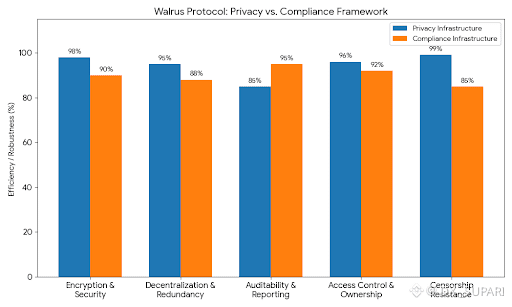
Walrus Protocol is built around the belief that privacy should be native, not optional. In a digital environment where users are increasingly aware of how exposed their data has become, Walrus offers a refreshing alternative. By combining decentralized blob storage with advanced erasure coding, the network distributes data across multiple nodes in a way that is both resilient and cost efficient. This approach ensures that no single entity has control over user data while maintaining high availability and performance. What makes this particularly compelling is how seamlessly it integrates with DeFi use cases. Transactions, governance actions, and staking interactions can all occur within an environment designed to minimize unnecessary data exposure. This creates a sense of confidence that is rare in DeFi, where speed often comes at the expense of privacy.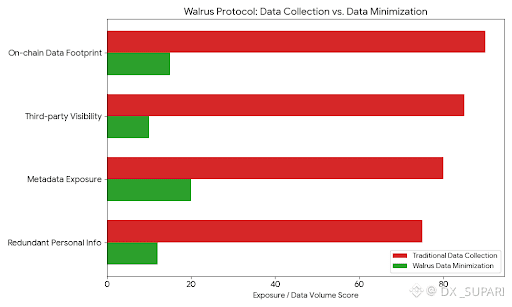
WAL token within this ecosystem feels deliberate and well thought out. Rather than existing purely as a speculative asset, WAL functions as the connective tissue of the network. It enables participation in governance, aligns incentives for storage providers, and supports staking mechanisms that reinforce network security. There is a clear sense that the token economy was designed to reward long term contributors rather than short term opportunists. This is especially important in a time when many users are looking for projects that demonstrate sustainability and maturity. WAL represents access, responsibility, and ownership within the Walrus network. Holding it feels less like holding a bet and more like holding a stake in an evolving digital infrastructure.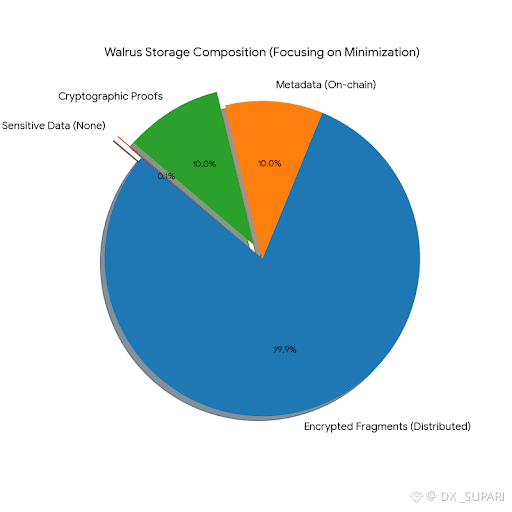
Walrus is how naturally it fits into real world use cases. Decentralized applications need reliable data availability. Enterprises exploring blockchain solutions need predictable costs and censorship resistance. Individual users want privacy without sacrificing usability. Walrus speaks to all three without overcomplicating the narrative. By operating on Sui, the protocol benefits from high throughput and low latency, making large scale data interactions feasible without friction. This combination of performance and decentralization positions Walrus as a serious alternative to traditional cloud storage models that rely on centralized control. It is easy to imagine developers quietly building on Walrus, not because it is trending, but because it works.
Walrus arrives at a moment when the conversation around Web3 is becoming more mature. Users are no longer impressed by promises alone. They want infrastructure that can survive regulatory pressure, technical stress, and shifting market cycles. Walrus feels prepared for that reality. Its focus on censorship resistance, privacy preserving design, and cost efficiency suggests a protocol that was built with longevity in mind. This is the kind of project that gains respect slowly and then all at once. The type that starts appearing in serious discussions among builders, researchers, and long term investors who care about fundamentals rather than headlines.
There is something distinctly human about how Walrus presents itself. It does not shout. It does not overpromise. It quietly delivers a vision of decentralized storage and DeFi that feels grounded and realistic. Reading through its architecture and purpose, it feels like listening to someone who has spent years thinking deeply about the problems of blockchain and decided to solve them properly. That is why Walrus WAL resonates. It feels written by hands that understand both technology and people. In a crowded space full of noise, Walrus stands as a calm, confident signal of where private DeFi and decentralized data are truly headed. This is not just a campaign worthy protocol. It is the kind of project that defines a category rather than competes within one.

