
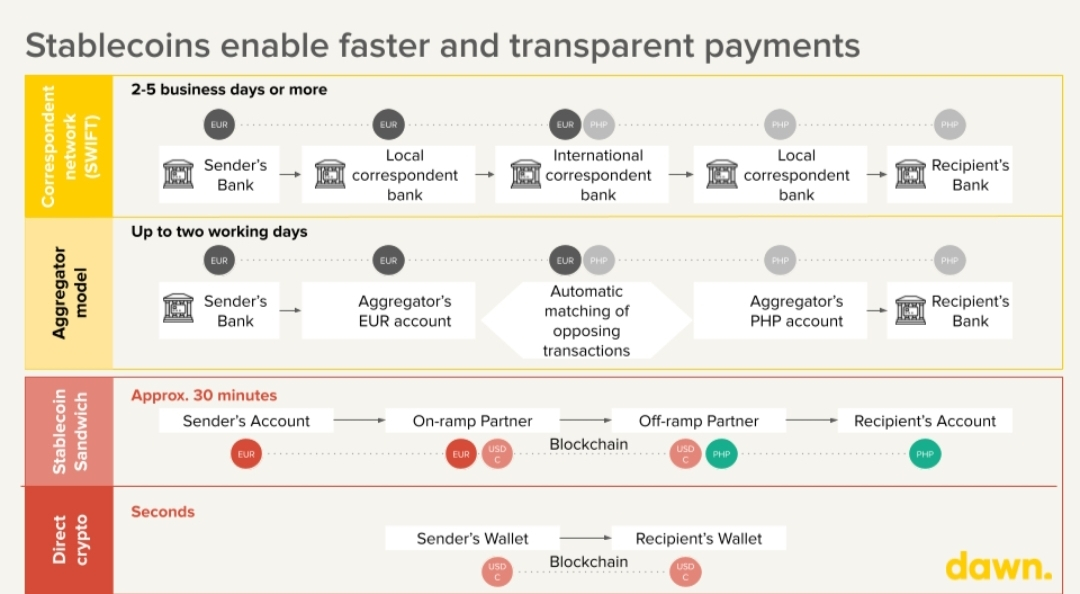
Plasma is positioning itself as a next-generation Layer-1 network built with a clear, focused mission: to make stablecoin payments fast, simple, and reliable at global scale. At a time when many blockchains attempt to serve every possible use case—from gaming to NFTs to complex DeFi—Plasma takes a more disciplined approach. It is purpose-built specifically for stablecoins such as USDT, optimizing every layer of its architecture around speed, cost efficiency, and real-world usability. This focus allows Plasma to deliver near-instant settlement and extremely low transaction costs, making it highly suitable for everyday payments, remittances, and cross-border transfers.
One of Plasma’s strongest advantages lies in its payment-first design philosophy. Stablecoins are increasingly used as digital dollars for global commerce, yet many existing networks still suffer from fee volatility, congestion, and poor user experience. Plasma addresses these pain points directly by prioritizing predictable fees, high throughput, and consistent finality. Transactions are designed to settle quickly and reliably, even during periods of high demand, which is essential for merchants, payment providers, and users who depend on speed and certainty rather than speculation.
From a developer perspective, Plasma is fully EVM-compatible, enabling seamless deployment of existing Ethereum-based smart contracts and payment applications. This compatibility significantly lowers the barrier to adoption, allowing developers to reuse familiar tooling, frameworks, and codebases while benefiting from Plasma’s stablecoin-optimized execution environment. Applications built on Plasma can support programmable payments, automated settlements, escrow logic, and compliance-friendly workflows without sacrificing performance or scalability.
A key innovation that sets Plasma apart is its gas abstraction model, which removes one of the most common friction points in blockchain payments. Users are no longer required to hold separate native tokens just to cover transaction fees for basic stablecoin transfers. Instead, the network is designed so that payments feel intuitive and frictionless—closer to traditional digital payment systems—while still operating on decentralized, programmable infrastructure. This design choice is particularly important for mainstream adoption, where simplicity and ease of use are critical.
Security and resilience are also core pillars of Plasma’s architecture. The network is engineered around strong security principles to ensure the safe movement of digital money at scale. By narrowing its scope and optimizing for a specific financial use case, Plasma reduces unnecessary complexity and attack surface, allowing the protocol to focus on robustness, reliability, and long-term sustainability. This approach makes Plasma well-suited for enterprise integrations, payment processors, and financial applications that require dependable infrastructure rather than experimental features.
As stablecoins continue to expand their role in global finance—powering remittances, on-chain settlement, and digital commerce—Plasma is positioning itself as foundational infrastructure for programmable digital money. Its focused design, EVM compatibility, user-friendly fee model, and payment-centric performance profile place it in a strong position to support real-world financial activity at scale. Rather than promising everything, Plasma is built to do one thing exceptionally well: enable stablecoin payments that are fast, affordable, and ready for global adoption.