
When I started looking into Fogo, my first question was simple: if it uses the Solana Virtual Machine, how is it actually different from Solana? After going through the documentation and testing the RPC myself, I realized the difference doesn’t lie in the execution layer, but in how the network infrastructure and validator design are structured.
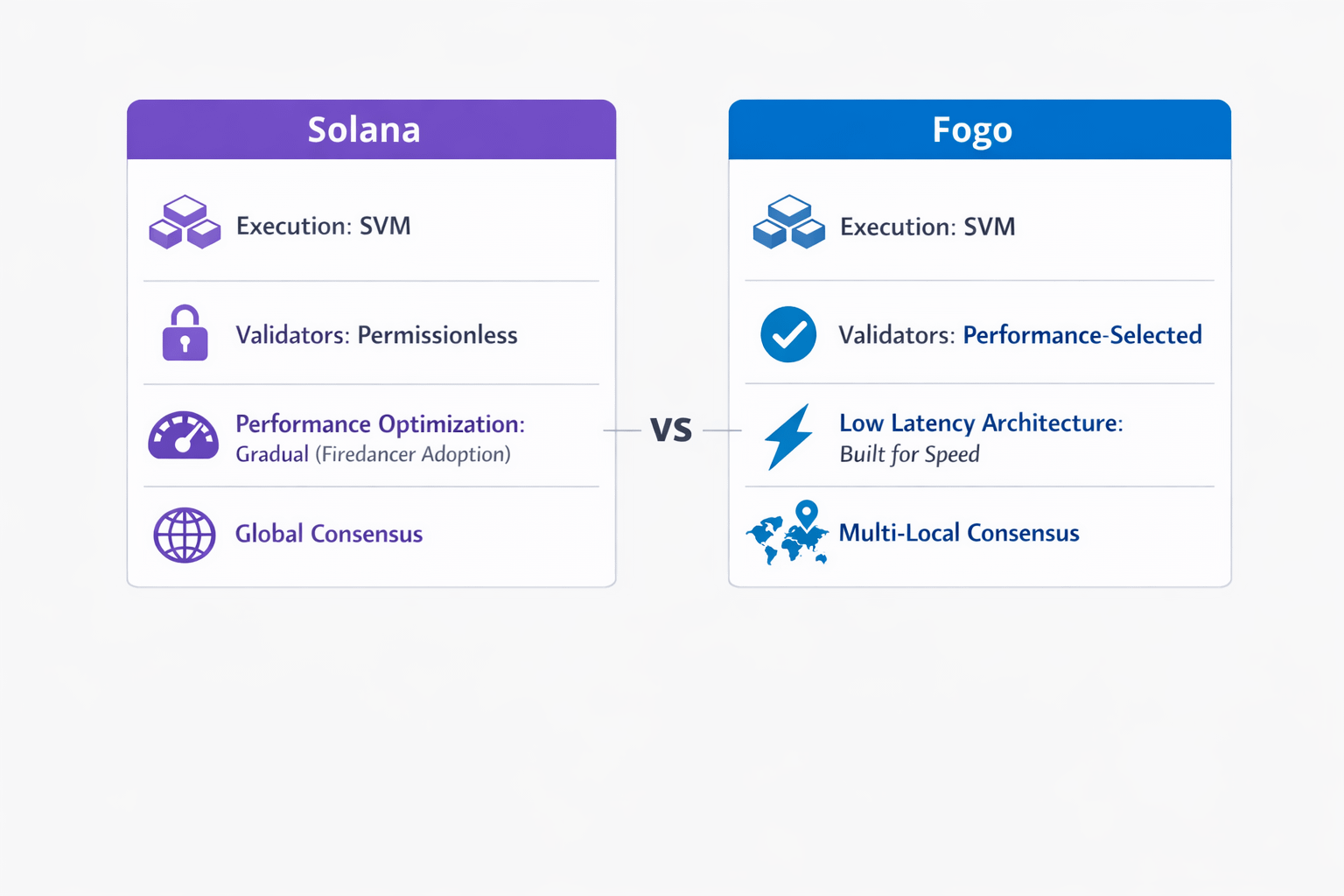
Fogo uses SVM, the same execution environment developed within the ecosystem of Solana Labs, which means developers can reuse familiar tooling like Anchor and port code relatively easily. That’s a clear advantage because there’s no need to rebuild everything from scratch, but it also raises a fair question: if the technical foundation is similar, where does the long-term competitive edge come from?
Fogo emphasizes performance optimization through the use of Firedancer and by designing its validator architecture with low latency in mind from day one. In my own testing, RPC responses were stable and transaction confirmations were fast, with fewer random delays than I expected. That said, it’s important to stay realistic: Firedancer itself is not an exclusive advantage. If similar performance improvements are widely implemented on Solana, this technical gap could narrow significantly. So while performance is a strength in the early stage, it may not be a sustainable differentiator on its own without a strong ecosystem behind it.
Fogo also introduces what it calls a Multi-Local Consensus model, which optimizes validators geographically to reduce cross-continental latency. In practice, latency felt low and the network operated smoothly under current conditions.
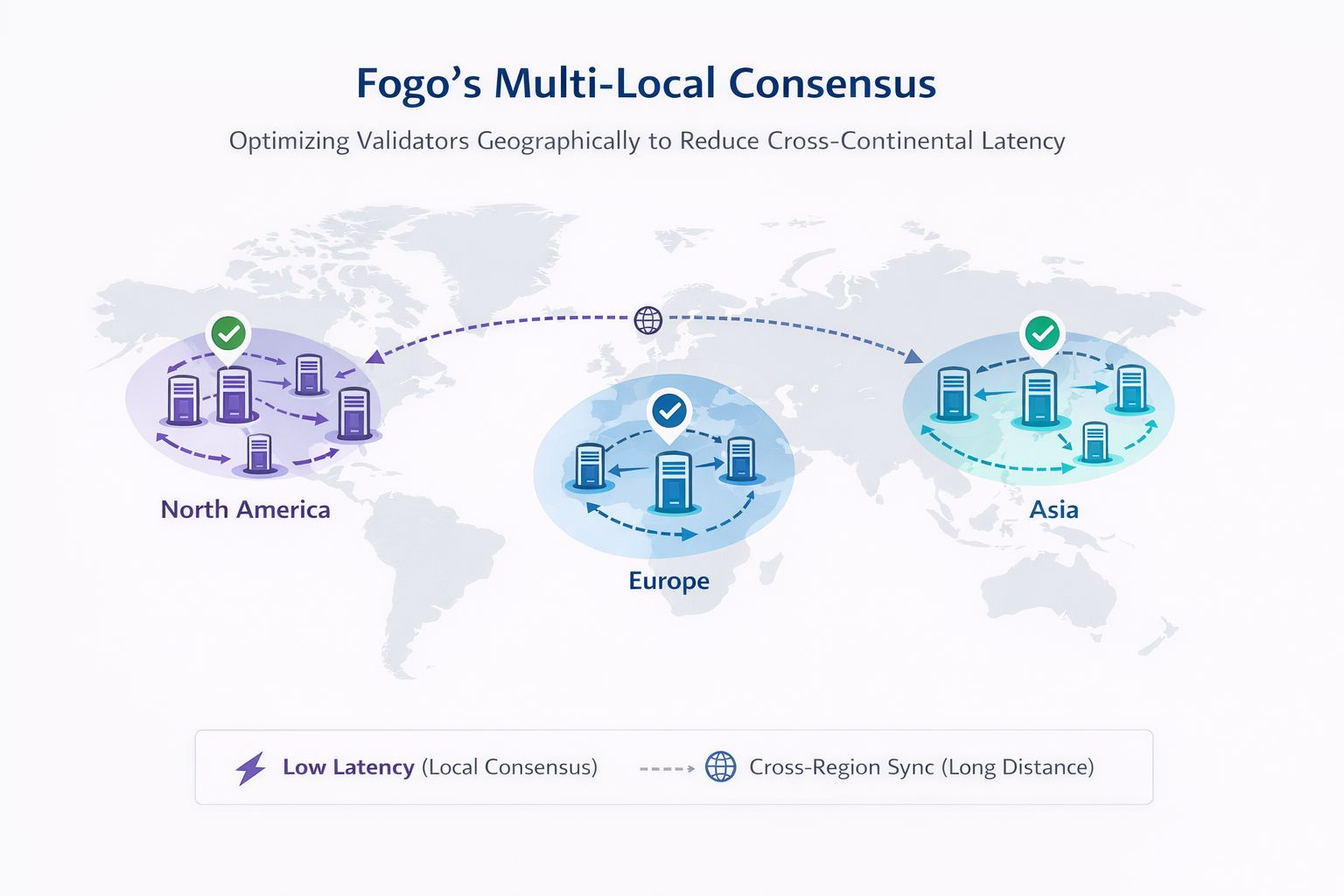
However, this design comes with a trade-off: validators are selected based on performance standards, which can raise questions about the degree of decentralization compared to a fully permissionless model. In simple terms, Fogo appears to prioritize performance first and expand decentralization gradually over time.
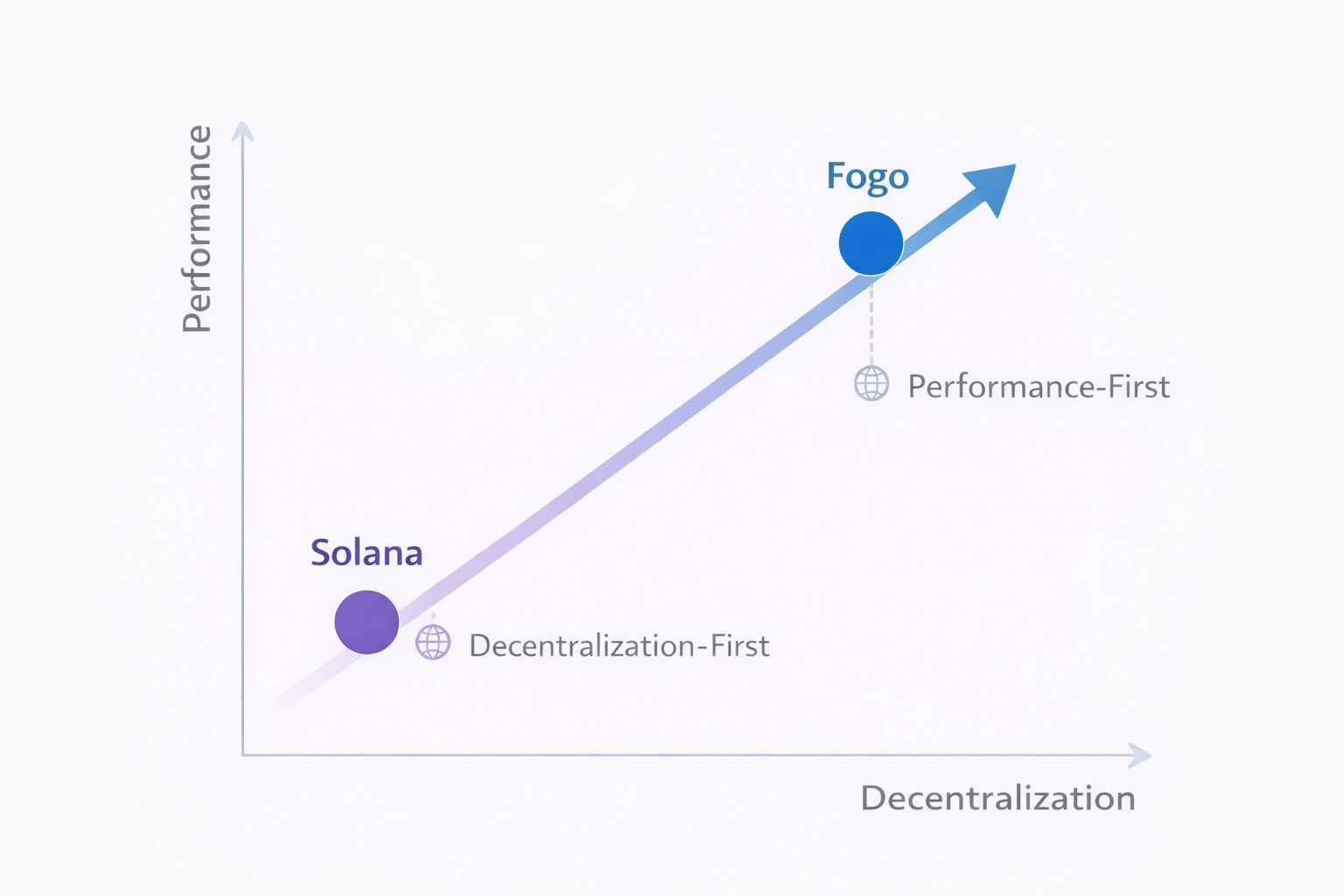
That’s not necessarily a flaw, but it is a trade-off worth monitoring.
As for why developers might choose to build on Fogo instead of staying on Solana, there are practical reasons. A newer ecosystem often means lower competition, greater visibility for early builders, closer support from the core team, and potential early incentives. Thanks to SVM compatibility, the technical barrier to entry is minimal. However, in the long run, differentiation cannot rely on infrastructure optimization alone. The real test will be whether Fogo can attract meaningful liquidity, quality projects, and build its own network effects.
Overall, I don’t see Fogo as a simple copy. It represents a different approach: optimizing network structure and validator design from the beginning to serve latency-sensitive use cases such as trading. Still, technical advantages need to be proven under real economic load as transaction volume and ecosystem activity grow. This piece reflects my personal experience after reading the documentation and testing the network, and it should not be considered investment advice.
@Fogo Official $FOGO #fogo