

“High performance” is a phrase I’ve learned to treat with both curiosity and caution.
It looks good on a spec sheet. It makes headlines. It gets tweets.
But real performance isn’t measured in theoretical transactions per second it’s measured in how the network feels when you’re actually using it.
So when I first heard about Fogo a Layer-1 powered by the Solana Virtual Machine my reaction was pretty predictable: another performance pitch.
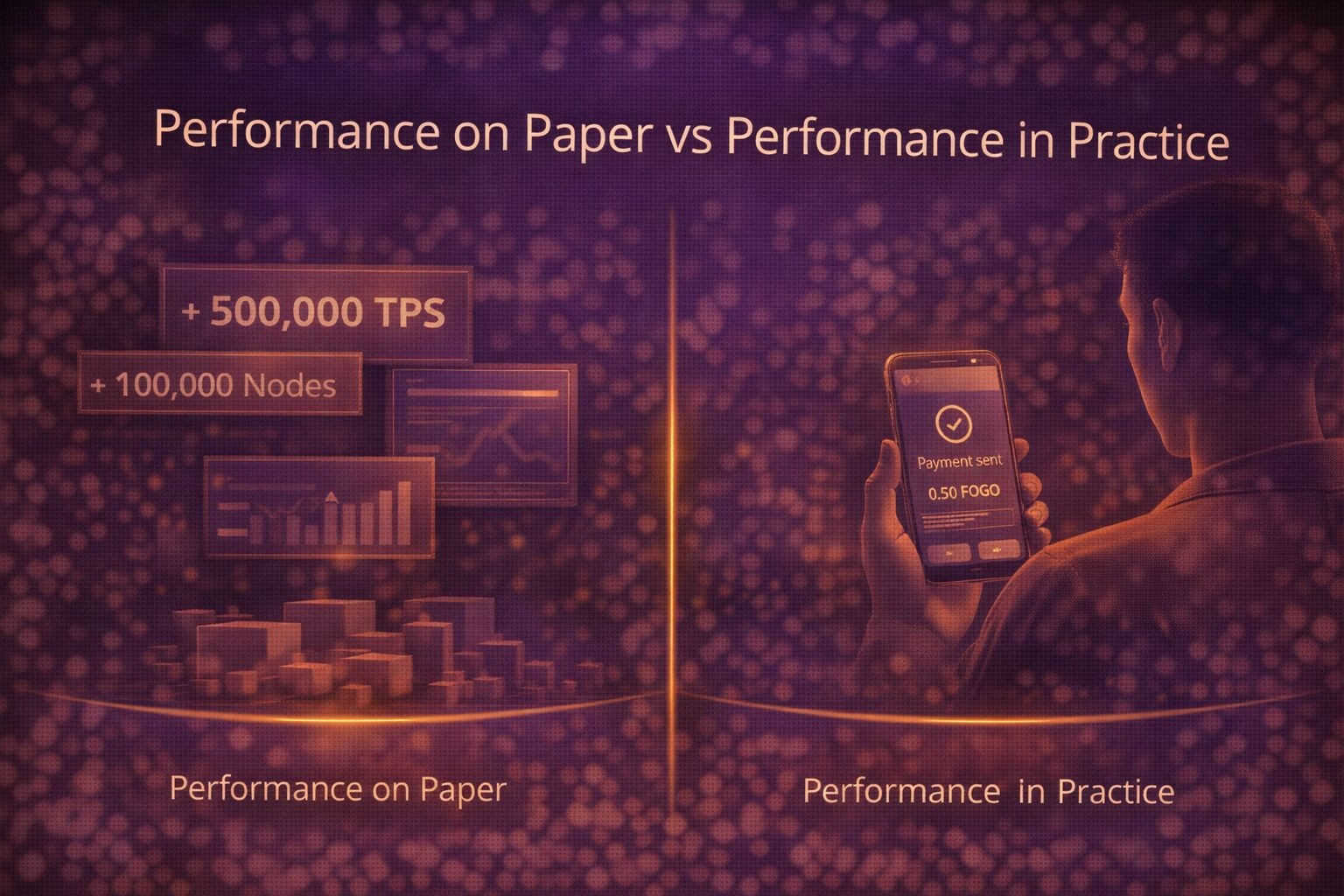
That’s where most conversations start. But what makes Fogo feel different is how it frames performance: not as a single achievement, but as a baseline expectation.
This is a project that doesn’t just borrow the Solana Virtual Machine because it sounds cool. It does so because parallel execution the fundamental design of the SVM changes the way transactions are processed at scale.
Where most EVM-based environments execute transactions one after the other, the Solana Virtual Machine is designed around parallelism, which means in theory that non-conflicting transactions can be processed at the same time.
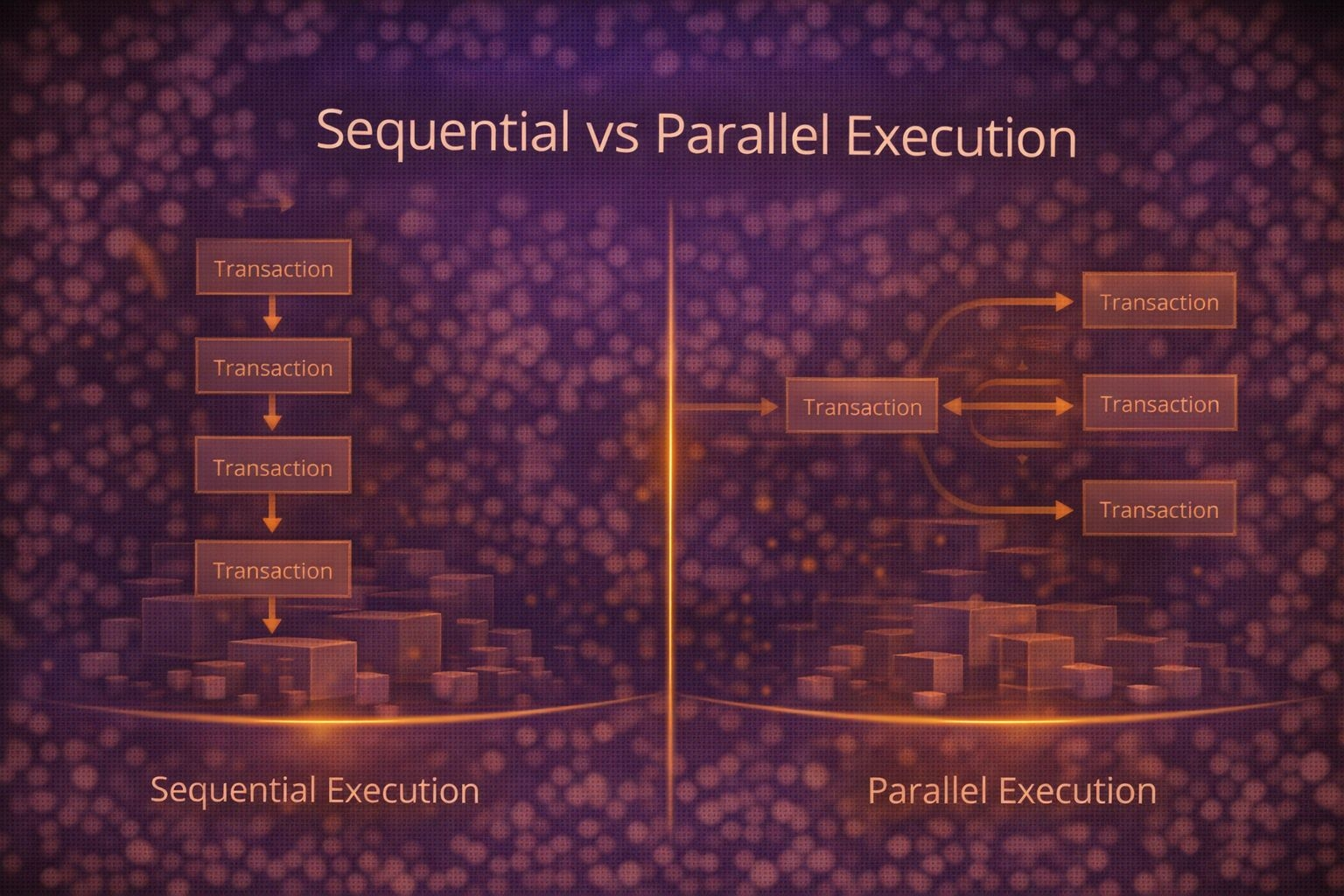
In practice, that could mean a big change in behavior.
It’s Not Just Throughput It’s Latency and Predictability
A lot of chains talk about “transactions per second.” But raw throughput doesn’t mean much if latency spikes, fees fluctuate wildly under load, or execution becomes unpredictable when demand increases.
For consumers and developers alike, performance is about consistency:
Does a payment go through without hesitation?
Does finality feel natural instead of delayed?
Are developers confident their apps behave the same way under stress as in calm moments?
That’s where Fogo’s use of the Solana Virtual Machine becomes interesting.
The SVM isn’t magic it’s a design philosophy. It assumes that workloads can be parallelized when state access doesn’t collide. That’s a different approach to performance than sequential models, and it can make a real difference when many transactions are happening at once.
But the real question isn’t whether the architecture can deliver performance.
It’s whether it does in the real world.
Where Architecture Meets Real-World Usage
The Solana ecosystem has already shown that high throughput environments can be valuable. But it’s also shown that performance under calm conditions doesn’t always translate to performance under stress.
If Fogo wants to deliver true high performance, it needs to demonstrate:
Sustained throughput under load, not just bursts
Consistent latency, not only peak numbers
Stable fee dynamics, even when demand surges
Validator resilience, without single points of failure
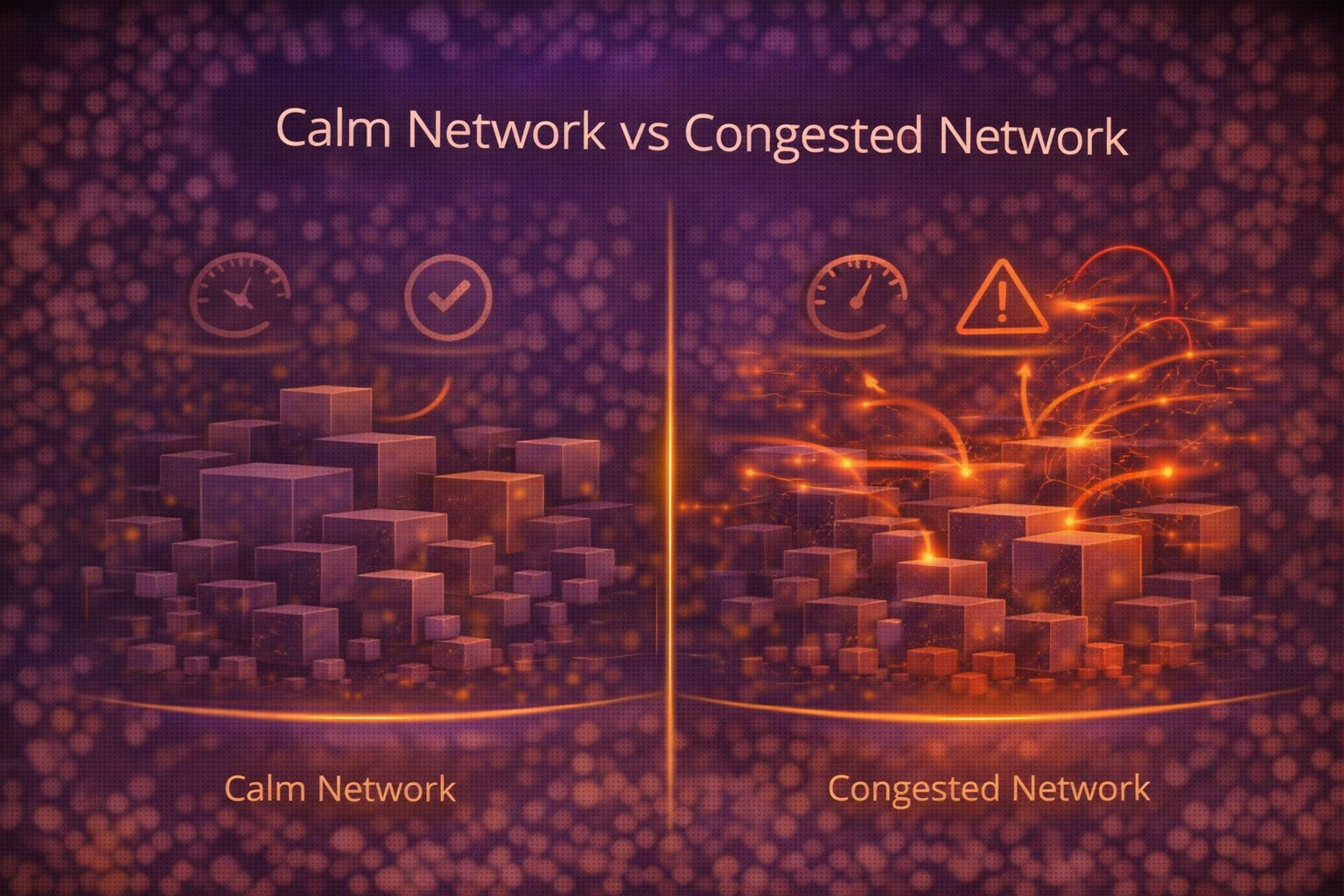
These aren’t trivial things.
In many networks, performance claims matter only until developers actually push them. Real usage reveals nuances: race conditions, hardware limits, mempool behavior, validator churn. Those are the moments that truly test an architecture.
And right now, the space is littered with chains that look fast on paper but feel slower in practice.
Execution Model vs. Ecosystem Depth
There’s another subtle but important aspect here.
High performance environments attract certain kinds of builders. But they also require developers to be comfortable with the underlying model.
EVM compatibility a strategy most Layer-1s use to borrow Ethereum’s developer base lowers the learning curve. You get Solidity tooling, familiar developer ergonomics, and a large ecosystem.
Fogo’s choice of the Solana Virtual Machine is different.
It signals that Fogo is optimizing for execution characteristics first, not compatibility.
That’s brave. And it’s a double-edged sword.
On the one hand, it means the chain isn’t trying to be a copy of Ethereum. It’s trying to be something that feels fundamentally different at the execution layer. For certain classes of applications trading systems, real-time payments, order books that can be meaningful.
On the other hand, it means the developer onboarding experience matters more. Rust tooling, different debugging patterns, new mental models these are real adoption barriers, especially for builders used to EVM ecosystems.
So delivering true high performance depends not just on the VM under the hood but on how quickly developers can leverage it.
Performance Is More Than Metrics
Another tricky thing about talking performance is that people often conflate metrics with experience.
You can deliver thousands of transactions per second and still feel slow if:
Finality isn’t perceptually fast
Fees spike unpredictably
Contracts behave unexpectedly under load
Tooling doesn’t give clear signals
Real high performance shows up in how people interact with the network, not just how many operations it records.
Fogo has an opportunity here: if the SVM environment feels smooth and dependable even during peak usage, that experience not the headline becomes the real differentiator.
But it needs to prove that beyond testnets and benchmarks.
What the Market Is Looking For
In the current crypto landscape, “high performance” has stopped being an attention grabber. Everyone says it. The question users and builders are asking now is simpler: Does it work when I need it to?
For payments.
For real-time systems.
For complex stateful apps.
Those aren’t edge cases. They’re everyday requirements for serious infrastructure.
If Fogo can show that parallel execution under the Solana Virtual Machine delivers measurable improvements in those areas not just higher theoretical throughput then the phrase “high performance” stops sounding like a slogan and starts sounding like reality.
And that’s a different conversation entirely.
The Real Test Will Be Time
There’s one thing that high-performance architectures can’t fake: durability. Performance under calm conditions is easy. Predictability under stress is not.
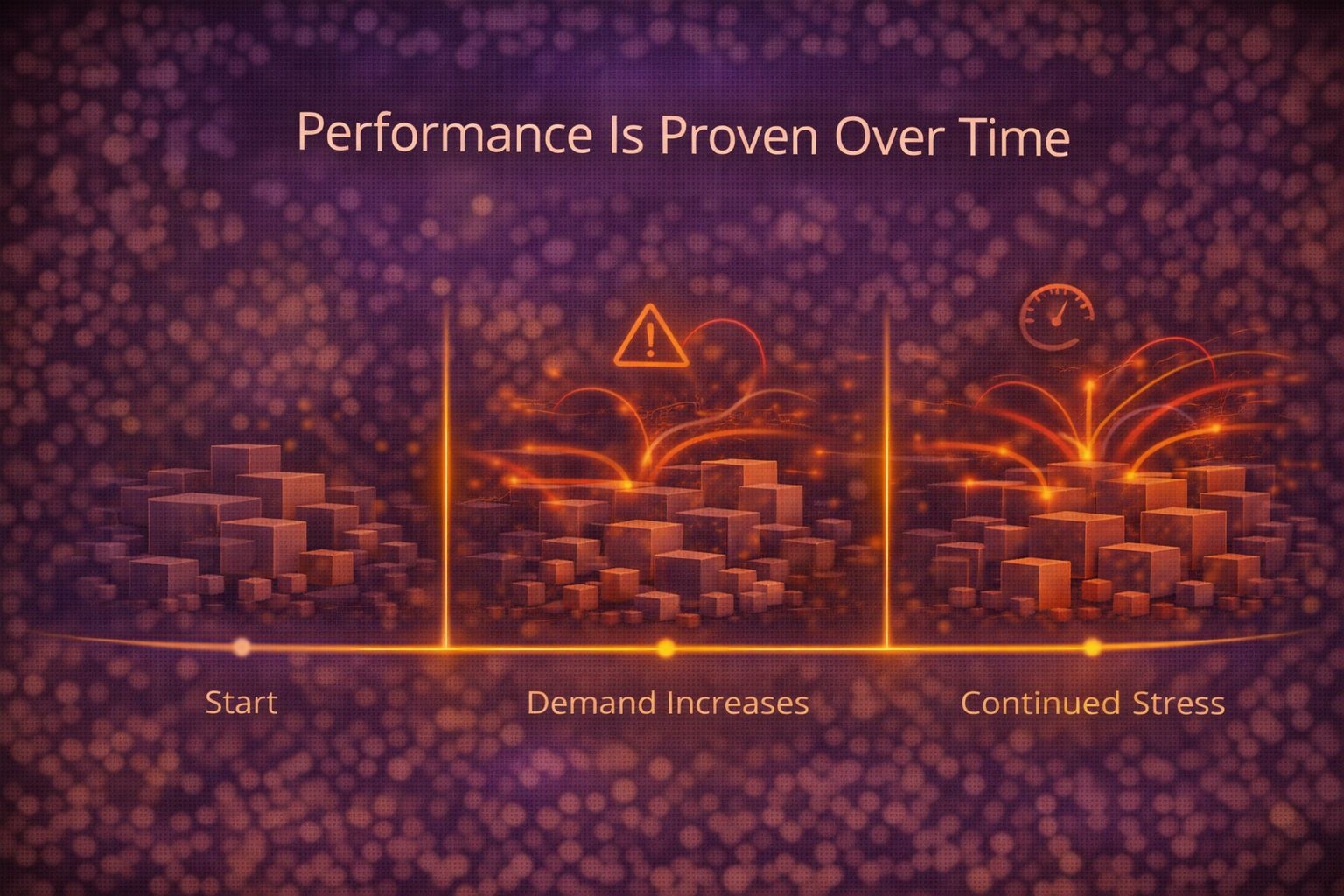
Right now, Fogo’s thesis is promising. The Solana Virtual Machine is a well-understood execution environment with clear strengths. But architecture and real usage are not the same thing.
The real test will be:
How the network behaves during congestion
How it adapts to unexpected demand
How developers actually build and sustain real applications
How the chain handles validator churn and governance stress
If Fogo can deliver on all of those without friction, then the question becomes less about whether it can deliver high performance and more about how noticeably it does.
I’m not sure we have that answer yet.
But it’s worth asking because performance, in crypto, is more about how the technology feels under pressure than how it reads on paper.
And that’s the only performance metric that really matters in practice.