
The moment a chain starts to feel boring is often the moment it begins to win.
When evaluating Fogo as a serious Layer 1, the first question isn’t about peak TPS under ideal conditions. Real users don’t live in benchmarks. They live in chaos: during traffic spikes, rapid token swaps, game loops firing micro-transactions, impatient clicks caused by perceived lag, and wallets throwing ambiguous errors. These moments define whether a network is usable—not its best day, but its worst.
Fogo’s ambition to be a high-performance L1 built on the Solana Virtual Machine hinges on the resilience of its invisible layer: the part users don’t think about, but feel immediately when it breaks. This layer decides whether users come back tomorrow.
“High performance + SVM” is only the opening chapter. Speed alone is not enough—consistency is the real product. A chain that oscillates between fast and frustrating prevents habit formation. You can sense this friction instantly: the pause before clicking, the refresh after submission, reopening the wallet to double-check, or asking someone else if the transaction went through. These micro-hesitations are signals of doubt.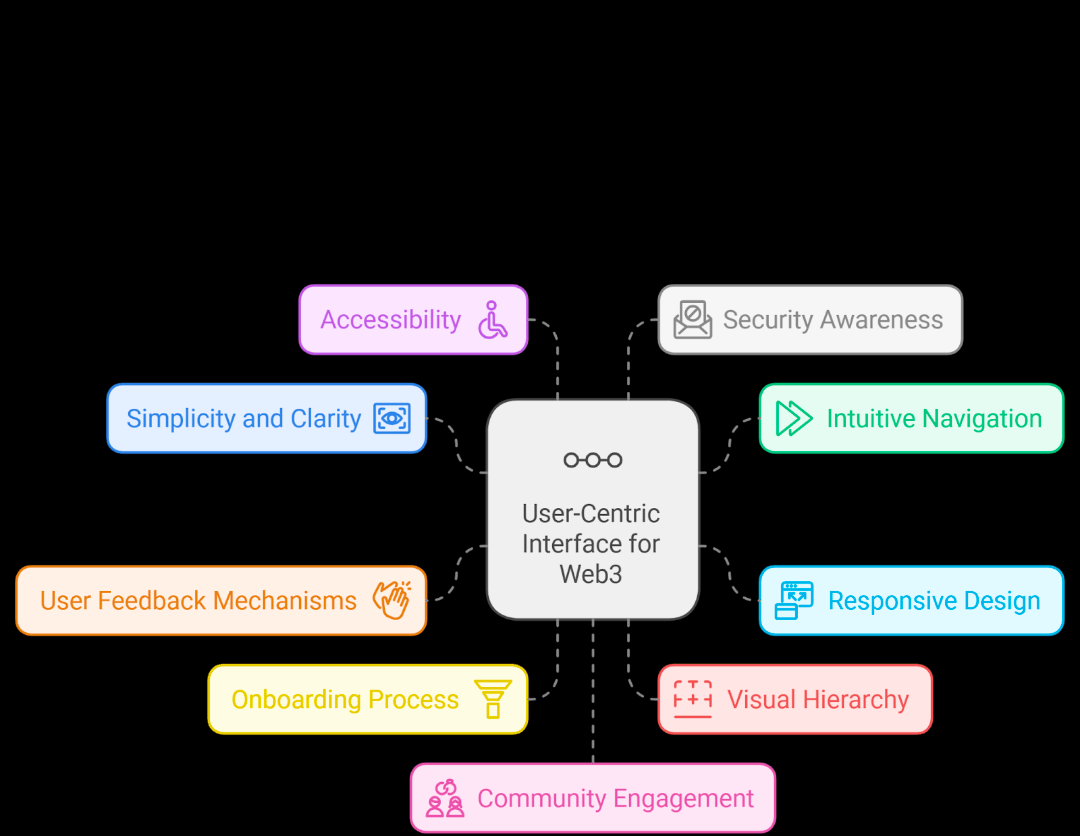
Fogo’s goal should be simple: make transactions so reliable that users never feel the need to verify them. A single TPS screenshot doesn’t build confidence. A repeated pattern of click → confirmation → move on does.
Fees Are About Predictability, Not Cheapness
Fees are often misunderstood. Lower fees don’t automatically create a better experience. People can adapt to cost—but not to uncertainty. Predictable fees allow users to act without hesitation, without wondering if now is a bad moment to transact. Volatile fees, failed attempts, and retries introduce hidden costs that are far more damaging than a few extra cents.
On many fast chains, the real cost isn’t financial—it’s cognitive. Congestion leads to frozen apps, repeated signature prompts, and users accidentally executing the same action multiple times. For Fogo to succeed, its fee surface must feel stable and legible. Users should stop thinking about cost altogether and start treating actions like normal app interactions.
The best fee experience is one that minimizes mental load. Fewer wallet decisions. Clear signing moments. Multiple actions flowing without interruption. When this works, users stop treating every click as a risk and simply use the app. Retention drops not because fees are $0.02 instead of $0.002, but because the experience feels chaotic and unreliable.
Finality Is Trust, Not Just Speed
Finality is more than confirmation time—it’s psychological closure. It’s the difference between an action feeling complete versus unresolved. When finality is fast and consistent, users stop obsessing over past actions and focus on their next move. Panic-clicking disappears. Refreshing stops. Duplicate submissions decline, reducing unnecessary network noise.
In games especially, finality is everything. Rhythm breaks the moment uncertainty creeps in. A button press should just work. The same applies to daily applications—users don’t want to wonder whether a transaction is stuck or whether they made a mistake.
This is why finality is a trust mechanism. If Fogo can deliver a consistent action → confirmation → feedback loop—even during peak demand—the chain itself fades into the background. True adoption begins when users forget which chain they’re on.
Reliability Over Raw Speed
A chain becomes visible only when it fails.
Errors without explanation, repeated wallet prompts, mismatched app and wallet states, or unclear retry logic all pull users out of the experience. By contrast, when failures are rare, recoveries are smooth, and confirmations are obvious, everything feels seamless.
Fogo doesn’t need the loudest performance claims. It needs to be the place where things quietly work.
That means fewer failed transactions, fewer redundant signatures, clearer error messages, and fewer moments where users feel compelled to retry instead of waiting confidently. Onboarding should feel safe and guided, not assumptive. Too many products expect users to understand wallets, signatures, permissions, and fee mechanics from day one—and then act surprised when users leave after the first confusion.
The first ten actions matter more than any benchmark. They shape trust.
Signing as a Product Feature
Signing should be intentional, not exhausting. Users are fine with signing when it’s infrequent, logical, and consistent. They hate it when it’s constant, unclear, and repetitive.
Fogo can differentiate itself by treating signing as part of the product experience. Clear intent. Bounded permissions. Time-limited or scoped approvals. Fewer interruptions. When users don’t feel like they’re constantly negotiating with their wallet, applications start to feel modern instead of mechanical.
Error handling matters just as much. “This failed” is not enough. Users need to know why, whether it’s safe to retry, and what happens next. Calm, transparent failure handling keeps users composed instead of pushing them away.
Adoption Is Built on Boredom
Retention is the only real test.
People don’t stay because a chain is technically elegant, wins benchmarks, or rides a strong narrative. They stay because the experience becomes routine. Comfort beats excitement every time.
If a user’s first day on Fogo is filled with retries, unclear confirmations, and confusing errors, that impression lingers—even if things improve later. But if day one feels smooth, predictable, and uneventful, users return not out of hype, but habit.
And that’s the real win.
If Fogo delivers reliability—predictable fees, fast and dependable finality, minimal failures, sane signing flows, and responsive apps under load—then SVM performance stops being a talking point and becomes something users feel. That’s the moment Fogo stops being a story and starts becoming infrastructure.
That’s how Layer 1s actually succeed.
